

How Custom Christmas Advent Calendars Drive Premium Pricing
Why Advent Calendars Command Higher Prices
Every year, I watch the same pattern play out with ecommerce founders. They launch a custom Christmas advent calendar as an experiment, price it a tier or two above their usual products, worry that it is “too expensive,” and then see it sell out faster than anything else in the catalog. This is not an accident. Custom advent calendars are one of the most reliable ways to justify premium pricing in a crowded market, especially for brands using on-demand printing and dropshipping.
At its core, a custom advent calendar is a branded countdown experience. Industry guides from packaging specialists such as Create This describe bespoke “custom advents” as calendars with numbered doors or drawers that open daily during a countdown, usually through December, each hiding a small product, sample, or message. Manufacturers like Brothersbox Industrial position them as personalized, structurally robust packaging solutions that carry multiple items, often with magnetic closures or drawer formats.
From a shopper’s perspective, this is not a “box of stuff.” It is an entire month of surprise, ritual, and anticipation. Instead of one unboxing moment, you deliver twenty-four or more micro-moments. That fundamental shift from product to experience is what allows advent calendars to command, and sustain, higher prices.
The premium is supported by several psychological levers. First, there is seasonality and urgency. A Christmas advent calendar is time-bound; if the customer does not buy in November, the opportunity is gone until next year. Second, there is gifting value. Advent calendars feel generous and thoughtful because they keep giving day after day, which encourages buyers to accept a higher price point for a single purchase. Third, there is perceived value stacking. A well-designed calendar bundles many smaller items, exclusive offers, and brand stories into one cohesive package, which makes the full price feel justifiable compared to buying items separately.
Digital-first marketing platforms echo this experiential framing. ShortStack describes online advent calendars as multi-day giveaway campaigns designed to sustain excitement with different content each day. Advent Calendar Online focuses on a builder that lets brands personalize each calendar window with images, videos, and messages, and even choose which days the campaign runs. Whether physical, digital, or hybrid, the common thread is a sequence of moments, not a single transaction. That is exactly what premium pricing is built on.
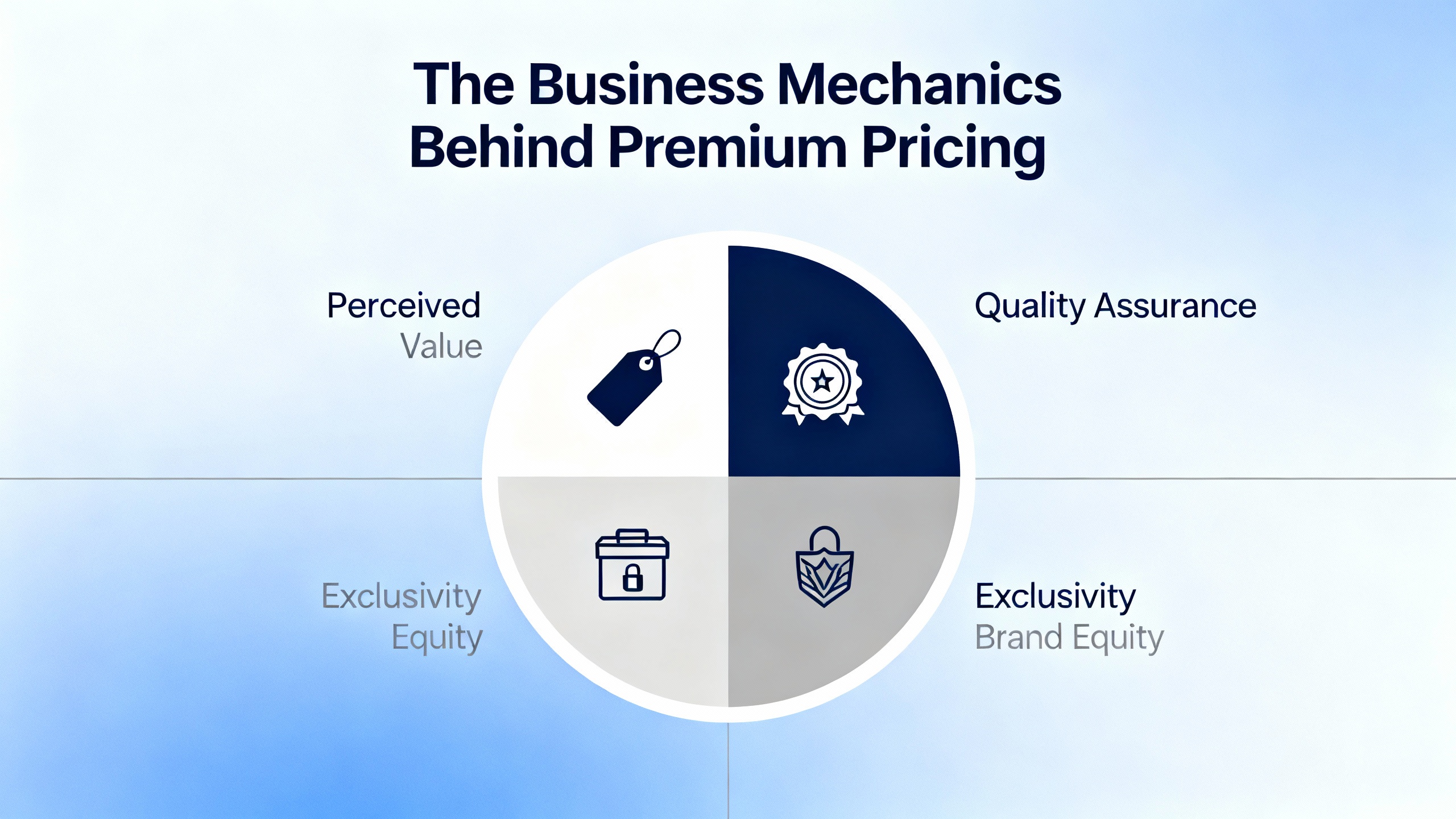
The Business Mechanics Behind Premium Pricing
Emotion explains why customers accept higher prices. Unit economics explain how you, as a founder, actually keep the extra margin.
Custom packaging manufacturers such as Brothersbox Industrial are very clear about the cost side. When you order advent calendar boxes wholesale, your cost per unit drops as quantity increases because they can spread setup and printing overhead across a larger run. They emphasize high-quality materials, bright printing, and strong box construction that is still cost-effective when purchased in bulk. This is textbook economies of scale. It is why the biggest brands order large runs months in advance.
On the revenue side, custom advent calendars naturally drive a higher average order value. You are no longer selling a single coffee bag, serum bottle, or toy. You are selling a curated collection presented in a substantial, giftable package. Founders I mentor often see their advent calendar price land at roughly double or more the price of a typical single product, without needing to double the underlying cost of goods.
To think about the mechanics, imagine a simple example. Suppose your flagship product sells for $30.00 with a solid margin. You design a twenty-four-day advent calendar that includes travel-size versions of that product, a few accessories, and some exclusive content. Your packaging and fulfillment cost per calendar will be higher than a standard shipment, especially if you pay for custom printed boxes. However, if your wholesale packaging cost comes down with quantity, the cost per “day” inside the calendar can stay quite low, while the perceived value of the combined experience is far higher than the sum of its parts. This is where premium pricing becomes rational rather than aspirational.
The multi-day format also impacts lifetime value. Articles from Custom Advent Calendars emphasize that well-planned, personalized branded calendars can be a game-changer for long-term customer relationships. When a customer interacts with your brand daily over several weeks, you are essentially running a sustained retention campaign bundled into a single sale. If your calendar includes unique offers, sneak peeks, and data capture moments, your customer lifetime value can rise significantly, even if some individual items inside the calendar carry thin margins.
To see the positioning difference clearly, it helps to compare a standard product launch with a custom advent calendar campaign.
Aspect | Typical Single Product Launch | Custom Advent Calendar Campaign |
|---|---|---|
Customer experience | One-time unboxing and usage | Multi-day ritual with daily surprises and content |
Perceived value | Tied to item specs and brand | Tied to experience, scarcity, gifting appeal, and total bundle |
Average order value | Limited by price of single product | Naturally higher due to multi-item, premium packaging |
Engagement duration | A few days around purchase | Often several weeks of repeat interactions |
Data and insight potential | Limited to purchase data and occasional survey | Daily behavior data, offer response patterns, content performance insights |
Pricing flexibility | Constrained by market comparison for similar items | Wider range, anchored by experience and exclusivity |
When you operate in an on-demand or dropshipping model, the key question is whether the extra operational complexity of a custom advent is offset by the gains in revenue and lifetime value. In many cases it is, provided you design the calendar with both customer psychology and supply chain realities in mind.
Formats That Justify Higher Prices
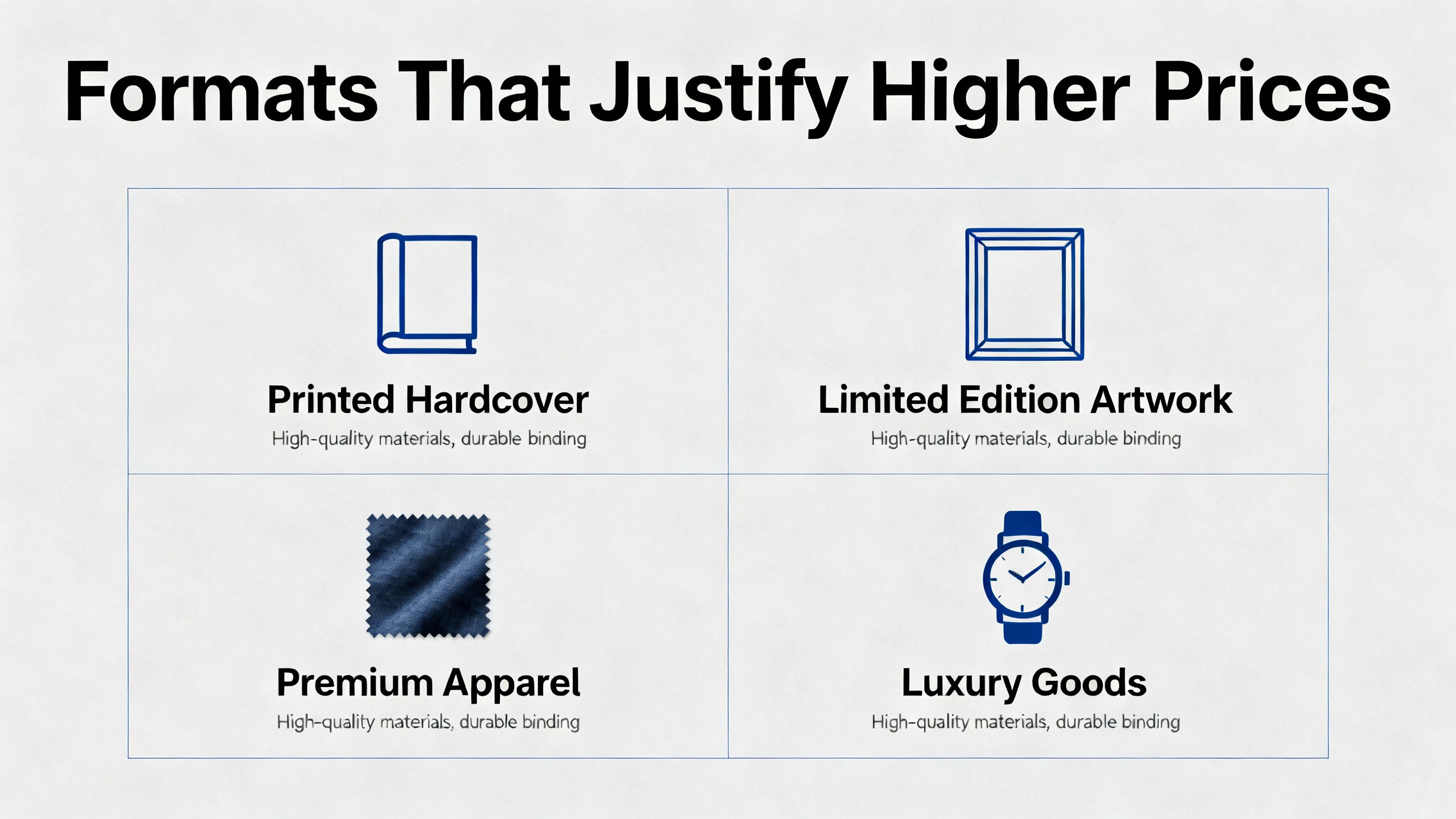
Not all advent calendars are created equal. The format you choose strongly influences how much of a premium you can realistically charge.
Physical Custom Advent Boxes
On the physical side, manufacturers such as Brothersbox Industrial stress both design flexibility and structural performance. They supply a range of box formats, from simple cartons to premium magnetic closure boxes and heavy-duty shipping boxes. The underlying message for ecommerce brands is straightforward. When you invest in well-engineered packaging, you get a canvas for premium branding without sacrificing protection in shipping.
Guides from promotional printers like Create This, even when only the outline is available, consistently highlight the basics. Start planning early so you can choose the right format, whether a flat calendar, a rigid box, or a drawer system. Clarify the contents so you can size each compartment correctly. Confirm that the box dimensions and weight are compatible with your shipping methods and price bands. These details are not glamorous, but they are directly tied to your margin. Oversized or fragile designs can erode your premium through increased shipping and damage costs.
Premium pricing is supported when the box itself feels like a gift. High-resolution artwork, consistent branding, carefully chosen finishes, and neat internal structure all signal quality. While specific finishes like foil and gloss are common in packaging, the principle is what matters here. The calendar should look and feel as considered as a high-end gift set, not an improvised bundle. Sustainability is another area where packaging providers often advise brands to make conscious choices so that the premium perception is aligned with modern consumer values. Using recyclable or recycled board and minimizing plastic where feasible can enhance perceived integrity, which matters a lot to higher-spend buyers.
Digital and Hybrid Advent Campaigns
Digital advent calendars convert the same countdown concept into an online experience. ShortStack describes its advent-style giveaway template as one of its most popular holiday formats, encouraging brands to run campaigns of twenty-four or twenty-five days or shorter runs of five to twelve days, depending on prize inventory and effort. Advent Calendar Online focuses heavily on customization: brands can choose which days their calendar runs, upload images, videos, and messages to each window, and configure interactive features to keep audiences engaged.
From a premium pricing perspective, digital and hybrid calendars serve two main roles. First, they extend the value of a physical calendar. A card inside each door might send the customer to an online experience where they unlock extra content, enter a giveaway, or claim a limited-time offer. That hybrid design stretches the perceived value without adding weight to the box. Second, purely digital advents can be an entry-level premium offer for service-based or content-heavy brands, where the “product” is access, not physical goods.
For on-demand and dropshipping businesses, a hybrid approach can be powerful. You keep the physical product relatively simple and scalable while using digital content to deliver a luxury-feeling experience. That combination can justify a higher price compared to a basic boxed set of samples, especially if your digital content is truly exclusive.
Design Principles That Support Premium Positioning
Premium pricing does not come from printing snowflakes on a box. It comes from deliberate, strategic design choices that make the calendar genuinely valuable and memorable.
Custom Advent Calendars underscores the importance of starting with clear objectives. Before you design a single panel, decide whether the calendar’s primary job is to generate direct profit, drive new product awareness, increase website traffic, collect email signups, or deepen loyalty among existing customers. Your pricing, contents, and promotion strategy will look very different if your main goal is immediate revenue versus long-term relationship building.
A deep understanding of your target audience is the next non-negotiable. That means segmenting customers by preferences, interests, and pain points, not just demographics. The article emphasizes using market research and customer data to tailor gifts and offers that resonate emotionally. In premium pricing terms, this is how you avoid a “random assortment” and instead offer a tightly curated journey that feels like it was designed for a specific type of person. When someone feels seen by a product, they are willing to pay more for it.
Theme is another backbone element. A cohesive theme that reflects your brand’s identity and values and runs consistently over all twenty-four or more days helps the calendar feel intentional rather than thrown together. Whether the theme is “cozy winter evenings,” “training for your best year yet,” or “discover the full range,” it becomes the narrative frame that justifies the premium. Customers are not only buying items; they are buying into a story.
Consistency does not mean monotony. Custom Advent Calendars recommends planning a varied mix of daily content: exclusive offers, sneak peeks, interactive experiences, behind-the-scenes stories, and user-generated content. That variety is critical because it sustains anticipation. If every door is the same kind of sample or the same type of message, the perceived value declines quickly, and buyers question the price.
Personalization is highlighted as a key lever. Brands are encouraged to use customer data and segmentation to align gifts and promotions with individual interests. In practice, that might mean offering different variants of your calendar tailored to different segments or using data to determine which promotions you embed in unique QR codes or digital windows. Personalization justifies higher prices because it feels more like a bespoke service than a mass-market product.
Finally, premium positioning requires multi-channel execution. The article advises running the advent calendar as a campaign across your website, social channels, email, and physical stores. When your audience sees the calendar prominently showcased and talked about across multiple touchpoints, it signals that this is a flagship product, not a side project. That kind of positioning supports stronger pricing from day one.
Content Strategy Inside the Calendar
Once the structure is defined, the content inside each day becomes your engine for ongoing perceived value.
ShortStack’s guidance on digital advent giveaways offers principles that map neatly to physical calendars. They recommend setting the number of days based on how many prizes or offers you can realistically support and the effort you can sustain, rather than defaulting to the traditional twenty-four or twenty-five days. For a smaller brand using print-on-demand or dropshipping, that same logic applies. A well-curated twelve-day calendar that you can fully stock with high-quality items and compelling messages will feel more premium than a stretched twenty-four-day calendar filled with filler.
ShortStack also encourages mixing prizes and content types so fans keep returning. Translated to a product context, this means alternating between product samples, exclusive discounts, inspirational content, and interactive prompts. Maybe one door reveals a mini product, another reveals access to a live workshop, a third offers a limited-time discount, and a fourth tells a behind-the-scenes story that builds emotional connection. That alternation keeps the experience from becoming predictable.
Importantly, they warn against giving away the best prize on day one and recommend not revealing each day’s prize in advance. This pacing principle is equally important in physical calendars. If the strongest item or offer appears early and everything afterwards feels like a downgrade, customers mentally “reprice” the calendar downward as the month goes on, which can damage word-of-mouth and future-year demand. Instead, design the content arc so that there are several high points scattered throughout, including a satisfying finale.
The same article suggests that advent campaigns can justify more frequent promotion than typical giveaways. For ecommerce brands selling physical calendars, that means you can and should talk about your calendar every day during the season. Each daily reveal is a legitimate reason to post, email, and engage, and this persistent visibility reinforces the calendar’s importance in your range, supporting the higher price point.
On-Demand Printing and Dropshipping Considerations
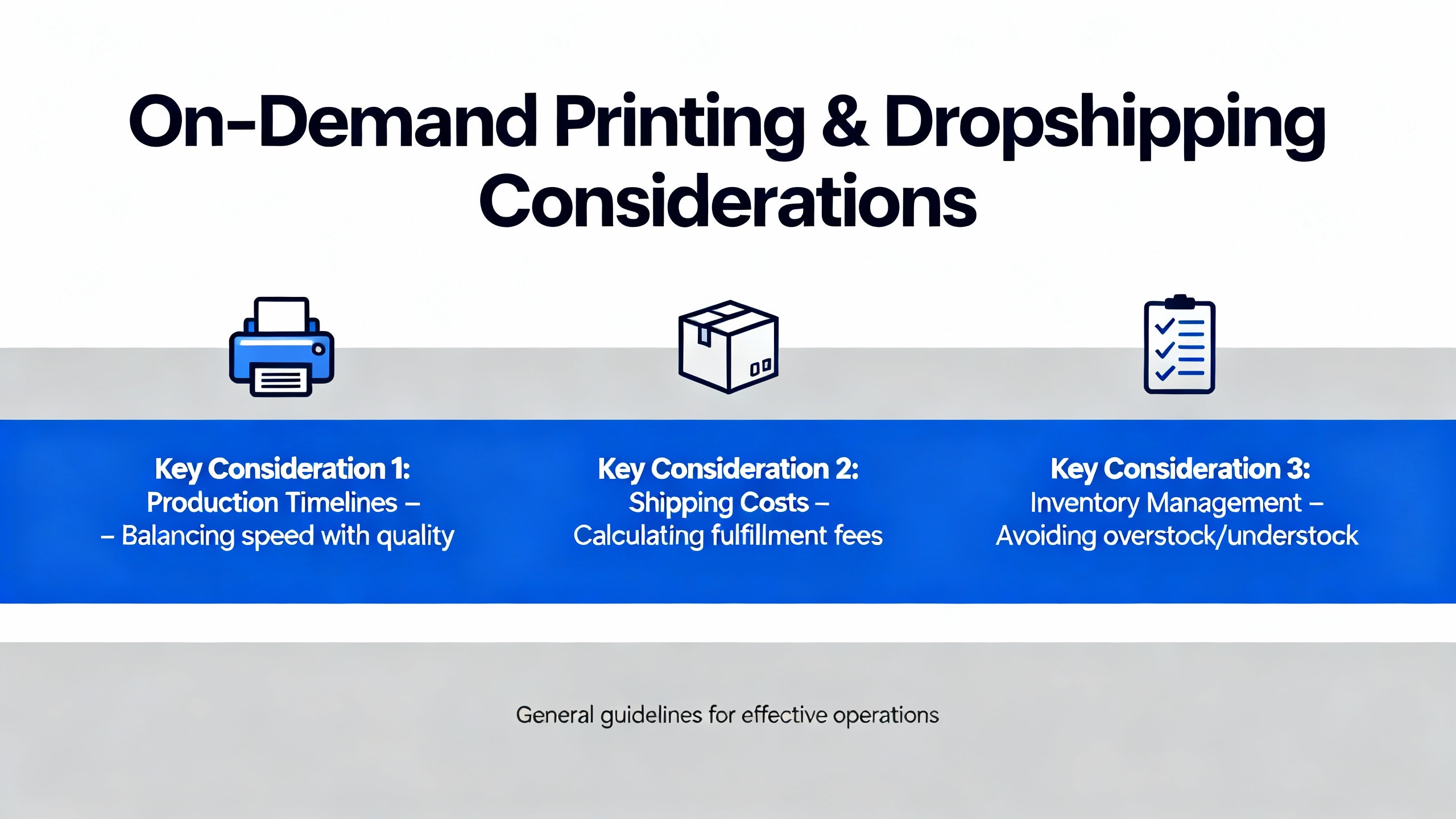
Premium advent calendars are exciting, but they are operationally demanding. When you are running an on-demand or dropshipping model, you have to be surgical about how you execute.
Guides from suppliers like Create This repeatedly emphasize long lead times for custom advent projects. You need enough runway for design iterations, proofs, printing, assembly, packing, and shipping. In practice, that usually means planning months ahead of December. For fast-moving ecommerce founders, this feels uncomfortable, but it is essential if you want to avoid rush fees, stockouts, and quality compromises that eat into your premium.
Wholesale-focused manufacturers such as Brothersbox Industrial highlight minimum order quantities and economies of scale. For brands relying heavily on dropshipping, this raises an important strategic question. Do you commit to a large run of custom boxes, store them, and then have your fulfillment partner pack and ship them? Or do you lean more heavily on modular packaging and on-demand printing of inserts and sleeves so you can test demand without significant inventory risk?
There is no single right answer, but a staged approach tends to work well. In the first year, some founders run a hybrid campaign with a simpler physical bundle and a strong digital advent experience built on tools like Advent Calendar Online or ShortStack. They focus on learning what content, offers, and price points resonate. Once the concept is proven and there is historical data to lean on, they invest in more ambitious custom packaging and higher order quantities for year two, capturing better unit economics and stronger premium.
Shipping and fulfillment details can quietly erode a premium if ignored. Create This and other packaging specialists routinely remind brands to ensure that the calendar’s dimensions and weight align with postal and shipping requirements. In practical terms, you want a design that is visually impressive but still packs efficiently, remains within favorable carrier size brackets, and can be protected adequately with reasonable outer packaging. Your dropshipping or 3PL partner should be involved in these conversations early so that packing workflows are efficient and mistakes are minimized during the holiday rush.
Sustainability also intersects with on-demand operations. If your brand leans on eco-conscious messaging, it is important that your advent calendar materials and production choices support that story. Packaging suppliers increasingly promote recyclable and recycled boards and more ethical sourcing of included products. When your customers see that your most prominent, highest-priced holiday product aligns with those values, it reinforces trust and makes the premium feel justified rather than opportunistic.
Practical Steps to Price and Position Your Calendar
Turning these principles into a concrete pricing strategy does not require complex models, but it does require clarity and discipline.
First, define the role of the calendar in your business. If its job is to be a profitable product on its own, you will set a higher price to achieve strong per-unit margins and design contents accordingly. If its primary job is to acquire high-value customers or push a new product line, you might accept slimmer margins on the calendar itself in exchange for increased lifetime value.
Second, build a full picture of your costs. That includes product samples or items, custom packaging, printing, fulfillment labor, shipping materials, and marketing. Use supplier input from manufacturers such as Brothersbox Industrial to explore volume-based price breaks and from your on-demand partners to understand the impact of different formats on costs. Do not forget the cost of digital assets if you are running a hybrid calendar with online experiences, especially if you invest in professional creative work.
Third, estimate a realistic premium price range by looking at your existing catalog. Many founders find that a strong advent calendar price is positioned well above their typical single product but beneath a full multi-product bundle that includes several large items. The goal is to make the calendar feel like a compelling “hero holiday purchase” without straying so far from your brand’s usual price perception that it feels out of character.
Fourth, align your content and promotion plan with that price. If you aim for a higher premium, your daily reveals need to feel special. That may involve more generous offers, more exclusive content, or a more ambitious narrative. Drawing on guidance from Custom Advent Calendars, plan a closing sequence that includes a strong thank-you message and possibly an exclusive post-calendar offer to extend engagement into the new year. That kind of thoughtful arc helps customers walk away feeling that they received more than they paid for.
Finally, treat the first year as a data-gathering exercise. ShortStack suggests monitoring metrics like participation, sharing, and content performance for digital campaigns. Combine those with your ecommerce analytics for the physical product: sell-through rates, refund levels, reviews, and repeat purchase behavior in the following months. Use these insights to refine your contents, pricing, and format for the next season. Over time, this iterative approach builds a flagship advent product that justifies premium pricing not just in theory but in demonstrated market response.
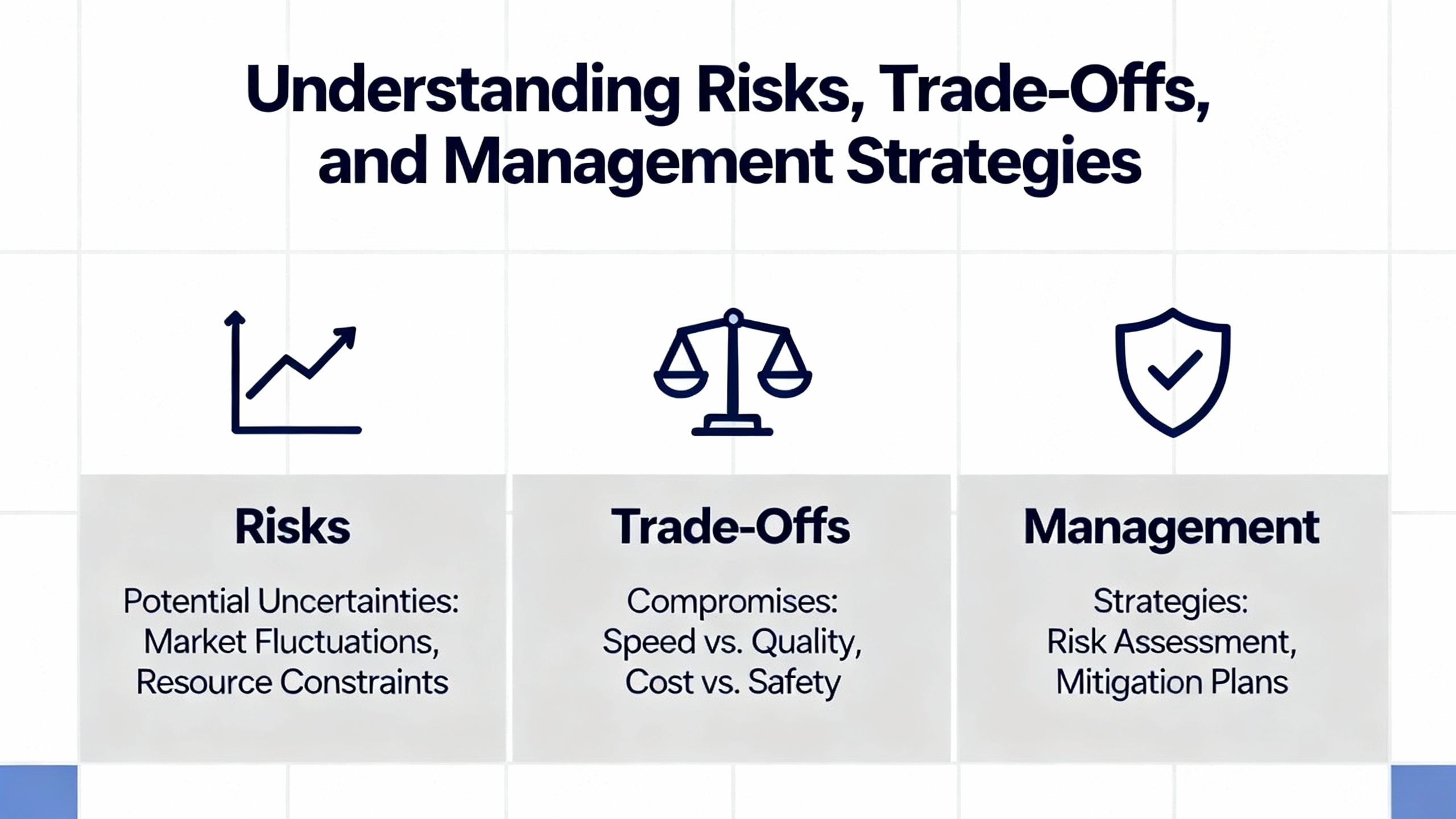
Risks, Trade-Offs, and How to Manage Them
Premium advent calendars are powerful, but they are not risk-free.
Inventory risk is the most obvious. Because calendars are tied to a specific season and date range, unsold stock loses value rapidly after December. This is where pre-order strategies, limited runs, and staged production can help. You might open sales early with a pre-order, cap quantities, and adjust your final manufacturing order based on actual demand.
Cash flow and lead time risk is another issue. Long production timelines and deposits for custom packaging tie up capital well before you see revenue. Smaller brands using on-demand printing and dropshipping sometimes mitigate this by starting with simpler formats or a hybrid digital campaign, as mentioned earlier, and only moving to large, capital-intensive runs after demonstrating demand.
Creative complexity is a less obvious risk. Designing and populating twenty-four or more high-quality daily experiences can overwhelm a small team. The recommendations from Custom Advent Calendars to plan content intentionally and use a mix of offers, stories, and interactive elements are helpful here. Create a repeatable content pattern early, and do not be afraid to shorten the campaign duration if that allows you to maintain quality. A shorter, excellent calendar supports premium pricing much more effectively than a longer, mediocre one.
Operationally, your logistics partners must be ready. Mispacked boxes, damaged calendars, or delayed shipments are especially painful when the product is seasonal and premium. Build in time for packaging proofs, small test runs, and clear documentation for your dropship or fulfillment teams. Suppliers like Create This and Brothersbox emphasize proofing and clear specifications for good reason. Mistakes at volume are expensive.
If you manage these risks deliberately, the upside is significant. A successful advent calendar often becomes an annual event that your community anticipates, giving you a recurring premium product with built-in marketing momentum.
FAQ
How early should I start planning a custom Christmas advent calendar?
Packaging providers that specialize in custom advents consistently recommend starting several months before December to allow time for design, proofing, printing, assembly, and shipping. For brands working with on-demand or dropshipping partners, involving both the packaging supplier and the fulfillment team early reduces the risk of costly surprises and rushed decisions that can erode your premium.
Can a small brand or solo founder realistically pull off a premium advent calendar?
Yes, but it usually requires a focused scope. Instead of attempting a full twenty-four-day calendar with complex packaging in year one, many small brands succeed with a shorter, twelve-day format or a simpler box paired with strong digital content. By keeping the structure manageable while investing in thoughtful design and personalization, they can justify premium pricing without overwhelming their resources.
Is a digital-only advent calendar enough to support premium pricing?
For some brands, especially those selling services, education, or digital products, a digital-only advent experience can justify a premium price when the content is genuinely valuable and exclusive. Platforms like ShortStack and Advent Calendar Online show how multi-day online campaigns can keep audiences engaged. For product-based ecommerce brands, digital elements are often most effective as a complement to a physical calendar, enhancing perceived value without adding physical complexity.
In my experience mentoring ecommerce founders, the brands that treat custom Christmas advent calendars as strategic, data-informed flagship projects rather than last-minute holiday novelties are the ones that win on premium pricing. If you respect both the emotional power of the countdown experience and the hard realities of printing, fulfillment, and cash flow, an advent calendar can become one of the most profitable and brand-defining products in your entire portfolio.
References
- https://www.bbb.org/all/holiday-hq/shopping-tips/advent-calendars
- https://www.accio.com/biz-cheap/inexpensive-advent-calendars
- https://www.adventcalendaronline.com/pricing/
- https://www.brothersbox.com/blog/the-cost-advantage-of-ordering-custom-advent-calendar-boxes-wholesale
- https://byerschoice.com/pages/custom-advent-calendars?srsltid=AfmBOorkhERiePpEeqUDyKwsclIDmka1FCAQhrAwWDey4GApFPzaDvgv
- https://chocomize.com/products/custom-chocolate-advent-calendar?srsltid=AfmBOoqQqBHYO8ph3LkBVYDYbt3bjE-OCdPjBG0rYAbxDsVtaQrhRqhw
- https://create-this.co.uk/docs/ct-top-tips-for-custom-advents.pdf
- https://www.etsy.com/market/custom_advent_calenders
- https://everythingink.com/custom-advent-calendars/
- https://www.madovar.com/products/advent-calendar?srsltid=AfmBOooV49fO9i2hHfA7PujkQvO93giKzrRCgycQXMlvqWW_87ZezIXA