

Custom Insulated Tumblers: The Entrepreneur’s Guide to Keeping Drinks Hot or Cold for Hours

Custom Insulated Tumblers: The Entrepreneur’s Guide to Keeping Drinks Hot or Cold for Hours

Dec 27, 2025 by Iris POD e-Commerce 101

Insulated tumblers have moved from niche gear to everyday essential. For founders and brand leaders, they’re also one of the highest‑utility canvases for on‑demand personalization, corporate gifting, and retail drops. This guide distills how insulation actually works, what performance to expect, how materials and lids impact taste and spill resistance, and how to choose, customize, and care for tumblers that delight customers and reduce returns. I draw on hands‑on experience launching custom drinkware programs for DTC and B2B clients, and I reference reputable testing and explainer pieces from MiiR, Greens Steel, Wirecutter, The Spruce Eats, TechGearLab, Jollychef, DualDrinks, and Reduce Everyday.

What “Insulated” Really Means

Insulated tumblers slow heat transfer so hot stays hot and cold stays cold for hours. The most effective approach is double‑wall vacuum insulation: two stainless‑steel walls with an airless gap that blocks conduction and convection while reflective inner surfaces reduce radiant heat. A well‑sealed lid limits evaporation and additional convective loss. MiiR’s education pieces explain the physics clearly and align with the practical tips you’ll hear from baristas and outdoor retailers: reduce pathways for heat to move, limit airflow, and keep contact surfaces neutral so the exterior doesn’t get hot or sweat.

In practical use, that means a vacuum‑insulated stainless tumbler outperforms single‑wall or foam‑filled designs. It also means the lid and mouth opening matter more than many buyers expect. Straw lids invite airflow and exchange, so they tend to lose temperature faster; slider and screw lids retain heat or cold better by restricting air.

Vacuum insulated stainless steel tumbler guide

How Long Do They Really Keep Temperature?

Performance depends on the starting beverage temperature, ambient conditions, fill level, lid type, and how often the cup is opened. Greens Steel publicly claims about 6 hours of heat retention for hot drinks and roughly 12 hours for cold drinks, consistent with what I’ve seen in commuter use when the lid stays closed most of the time. Jollychef’s 2025 roundup reported that top models kept cold drinks below about 53°F after 16 hours, with some down to about 42°F. The Spruce Eats found a Hydro Flask 20‑oz model kept drinks cold up to 24 hours and hot up to about 6 hours in their tests, and noted that large cold‑focused vessels like the Stanley Quencher can hold ice for at least a day. At the other end of the spectrum, Wirecutter’s testing confirmed that most splash‑resistant slider lids are not genuinely leakproof during an “knockover” or bag‑carry test, which affects real‑world heat retention because more precise lids also leak less heat.

You can extend real‑world performance by preheating with hot water before adding coffee or prechilling with ice water before cold drinks, filling near the top to reduce air volume, using more ice mass for cold beverages, and keeping the lid closed between sips. Those simple moves line up with explainer guidance from Greens Steel and with the physics MiiR outlines.

Material Choices and Flavor, Durability, and Sustainability

Material choice influences insulation quality, flavor neutrality, longevity, and sustainability. Stainless steel is the default for premium performance because it pairs durability with vacuum‑insulated construction. A ceramic liner inside a stainless shell can upgrade flavor neutrality if a customer dislikes any metallic note. Glass offers exceptionally clean taste but is less rugged for travel. BPA‑free plastic is light and affordable but usually insulates poorly and can retain flavors over time. DualDrinks’ sustainable materials guide underscores that both stainless steel and glass score well on recyclability and lifespan when reused properly, while noting a useful benchmark: a ceramic mug needs to be reused about 39 times to break even with paper cups on energy use.

Material

Temperature Retention

Flavor/Taste

Durability and Weight

Sustainability and Notes

Best Use Cases

18/8 stainless steel

Excellent with vacuum insulation

Generally neutral when quality; some detect metallic notes

Extremely durable; heavier

Recyclable and long‑lived; high production energy offset by extensive reuse

Daily hot/ cold, travel, corporate gifts

Ceramic‑coated stainless

Excellent with vacuum insulation

Very neutral; minimizes metallic taste

Durable shell; liner can chip if abused

Balances performance and taste; premium feel

Coffee/tea lovers, premium gifting

Glass (thermal or double‑wall)

Moderate to good

Cleanest taste

Fragile; heavier

Fully recyclable; best indoors or low‑impact settings

Desks, home offices, tastings

BPA‑free plastic (insulated)

Basic to moderate

Can retain flavors over time

Lightweight; resilient

Affordable; less eco‑strong than steel or glass, but reusable beats single‑use

Kids, budget promos, casual cold drinks

Reduce Everyday emphasizes 18/8 stainless steel because chromium and nickel content increase strength and corrosion resistance, and they cite products claiming up to 24 hours cold and about 6 hours hot for certain SKUs. That aligns with the broader market pattern: cold hours tend to exceed hot hours for similarly sized vessels, all else equal.

Insulation Types in Plain English

Single‑wall vessels are essentially uninsulated. They feel hot to the touch with hot drinks and sweat with cold ones. Double‑wall designs add an air gap that slows heat loss and keeps the exterior more comfortable. Double‑wall vacuum designs remove the air, suppressing convection so heat mostly transfers by radiation. MiiR’s explainer and Greens Steel’s primer both converge on the same bottom line: vacuum insulation is the top tier for keeping drinks near their target temperature for hours.

Insulation Type

How It Works

Typical Comfort Outside

Real‑World Notes

Single wall

Direct conduction through metal or plastic

Hot or sweaty to touch

Fine for short use; not for heat retention

Double wall (air gap)

Conduction plus slowed convection through air

More comfortable to hold

Better than single wall; still trails vacuum

Double wall (vacuum)

Conduction minimized; convection suppressed

Cool/neutral exterior

Best for hours‑long hot or cold retention

Personalized double wall tumbler performance

Lids, Mouths, and Spill Control

The lid is the unsung hero of temperature retention and the primary risk area for leaks. Wirecutter’s lab and real‑world tests found most slider lids are splash resistant rather than fully leakproof. Straw lids sip easily but let in air. Sealing flip or screw lids retain temperature better and protect against bag‑carry spills. Greens Steel notes that narrower openings help retain temperature, and my experience matches that advice for coffee commuters.

TechGearLab’s long‑running testing adds helpful nuance: a YETI MagSlider is intuitive and easy to clean but not leakproof; MiiR’s Flip Traveler seals completely and suits bag carry with some cleaning trade‑offs at the hinge; Contigo’s AUTOSEAL allows one‑hand sipping and locks shut. Jollychef calls out Camelbak for a true leak‑proof lid, and also points out that many slider lids from various brands are convenient at a desk but not backpack‑proof. In short, match lid choice to the job: straw for cold sipping at a desk, slider for convenience with caution, and screw or flip‑seal for hot liquids or travel.

Lid/Mouth Type

Seal Quality and Temperature Hold

Cleaning Considerations

Best For

Straw lid

Lowest seal; more air exchange

Fewer parts; watch straw hygiene

Cold drinks at a desk or patio

Slider lid

Splash‑resistant; not leakproof

Sliders and gaskets need periodic deep clean

Casual commuting; office use

Screw/flip‑seal lid

Highest seal; best heat/cold retention

Hinge and gaskets need attention

Travel, bag carry, hot drinks

Narrow mouth

Better retention; slower sip

Fewer crevices

Heat retention; mobile coffee

Wide mouth

Easier to add ice; faster temperature drift

Larger, simpler surfaces

Smoothies, iced drinks, quick cleaning

Size, Form Factor, and Use Cases

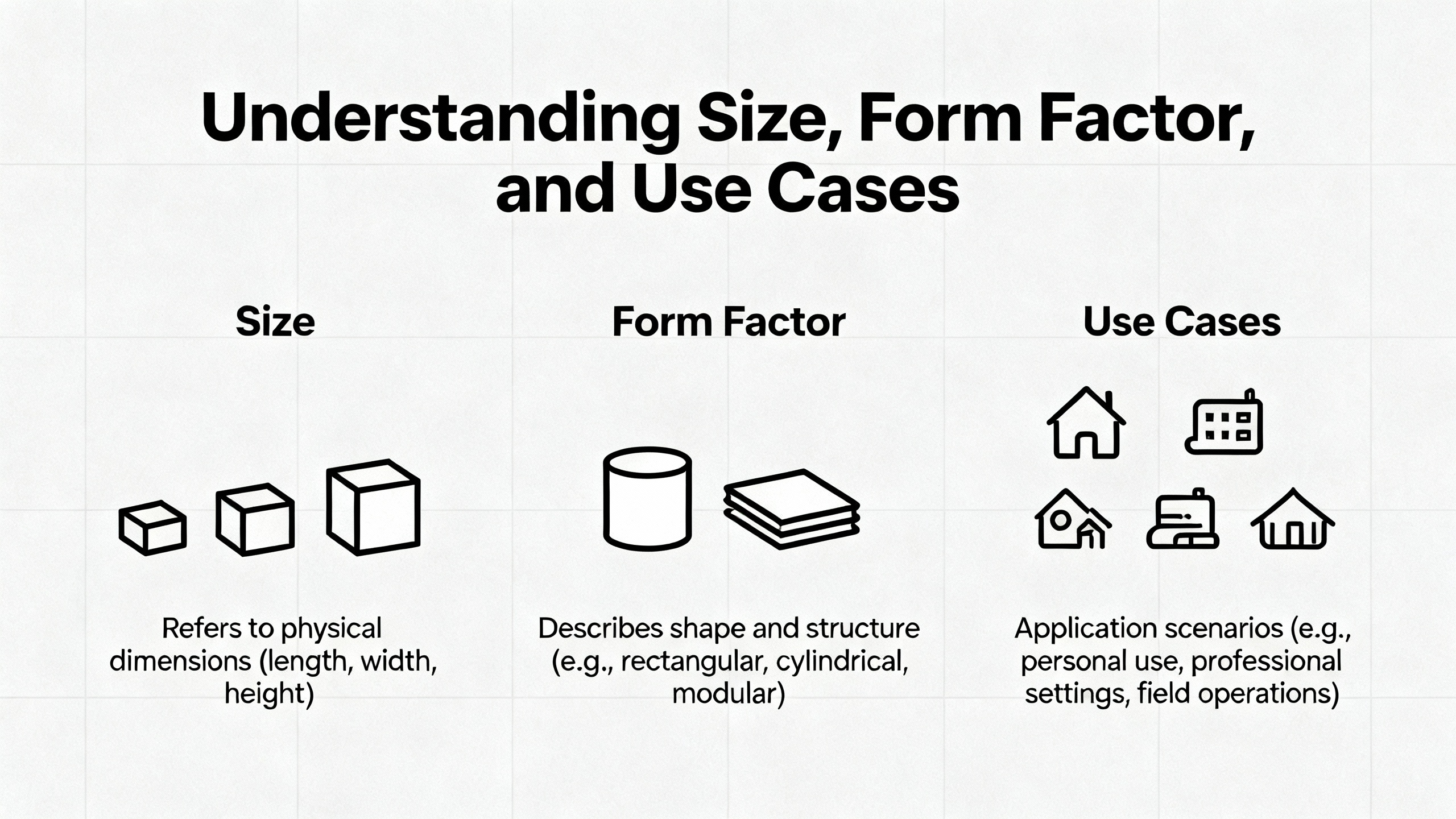
Choose capacity for the job, then validate fit and ergonomics. For commuting and desk use, 16 to 20 oz balances portability, cup‑holder compatibility, and comfortable grip. For long meetings, road trips, and events, 30 to 40 oz cuts refills and keeps a full day’s hydration cold, with an honest trade‑off in weight and height. Wirecutter reminds us there is no standard car cup‑holder size, so tapered bases and handle placement matter. Jollychef’s guidance mirrors common demand: smaller sizes for commuting and larger sizes for extended outings. In my programs, 20 oz typically sells fastest for mixed audiences and fits most vehicle cup holders; confidence medium because audience and seasonality can shift preferences.

Handle and base design also affect daily satisfaction. A grippy base reduces tip‑overs, which helps with the leak reality that most lids aren’t perfect. If your audience carries a laptop bag or backpack, consider models with true sealing lids and test how the handle interacts with cup holders and bag pockets before placing a large order.
Branded insulated drinkware for entrepreneurs

Real‑World Performance Snapshots by Brand

The numbers that matter are model‑specific and test‑protocol‑dependent. That said, a 2025 Jollychef industry roundup compiled indicative claims across popular brands and included cleaning notes and typical price bands. Treat these as directional and confirm against the exact SKU you plan to stock or customize.

Brand

Cold/Hot Retention (indicative)

Cleaning Guidance

Typical Price (USD)

Simple Modern

16 h cold / 8 h hot

Dishwasher‑friendly

32.00

Hydro Flask

12 h cold / 6 h hot

Hand wash body

40.00

YETI

16 h cold / 6 h hot

Dishwasher‑friendly

45.00

Stanley

12 h cold / 7 h hot

Dishwasher‑friendly

50.00

Thermos

12 h cold / 5 h hot

Hand wash body

35.00

Camelbak

10 h cold / 5 h hot

Dishwasher‑friendly

38.00

MiiR

12 h cold / 6 h hot

Hand wash body

40.00

Greens Steel

16 h cold / 8 h hot

Dishwasher‑friendly

32.00

Kinto

10 h cold / 5 h hot

Hand wash body

42.00

Wirecutter’s lab work adds valuable context on lids, cleaning difficulty, and cup‑holder fit, and The Spruce Eats publishes detailed test protocols and results with temperature probes across hot and cold scenarios. If you rely on bag carry, TechGearLab’s “full seal” and leak tests are particularly useful to cross‑check.

Flavor, Health, and Safety

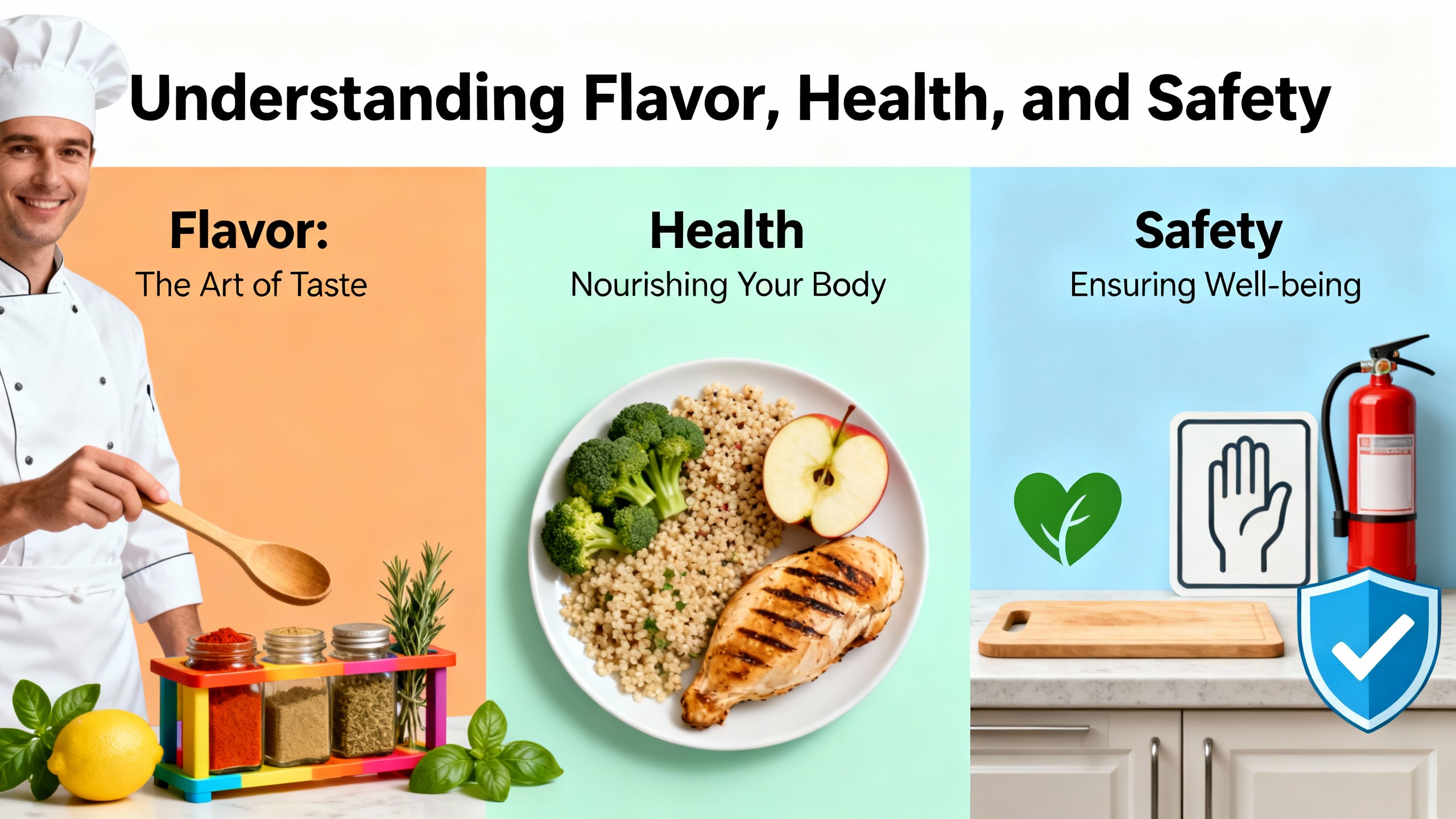
Flavor neutrality matters most to coffee and tea buyers. Quality stainless steel should be taste‑neutral, but some people notice a metallic note, especially with acidic drinks; a ceramic‑lined stainless interior addresses that elegantly without giving up insulation. Glass tastes the cleanest but is less travel‑friendly. Plastics can retain flavors, especially with hot liquids.

There are a few safety notes worth reinforcing. Never microwave a metal tumbler, and avoid freezing a sealed vacuum vessel. Follow manufacturer guidance on dishwasher use because harsh cycles can degrade coatings or seals. Some vacuum bottles in the broader market have historically used a lead‑based solder cap concealed within the base and sealed under steel; coverage from Tasting Table highlighted that the risk is minimal in intact products, but a damaged base could theoretically expose it. If your customers are sensitive to that topic, prioritize models that explicitly claim lead‑free construction.
Custom logo thermal cups heat retention

Care, Cleaning, and Longevity

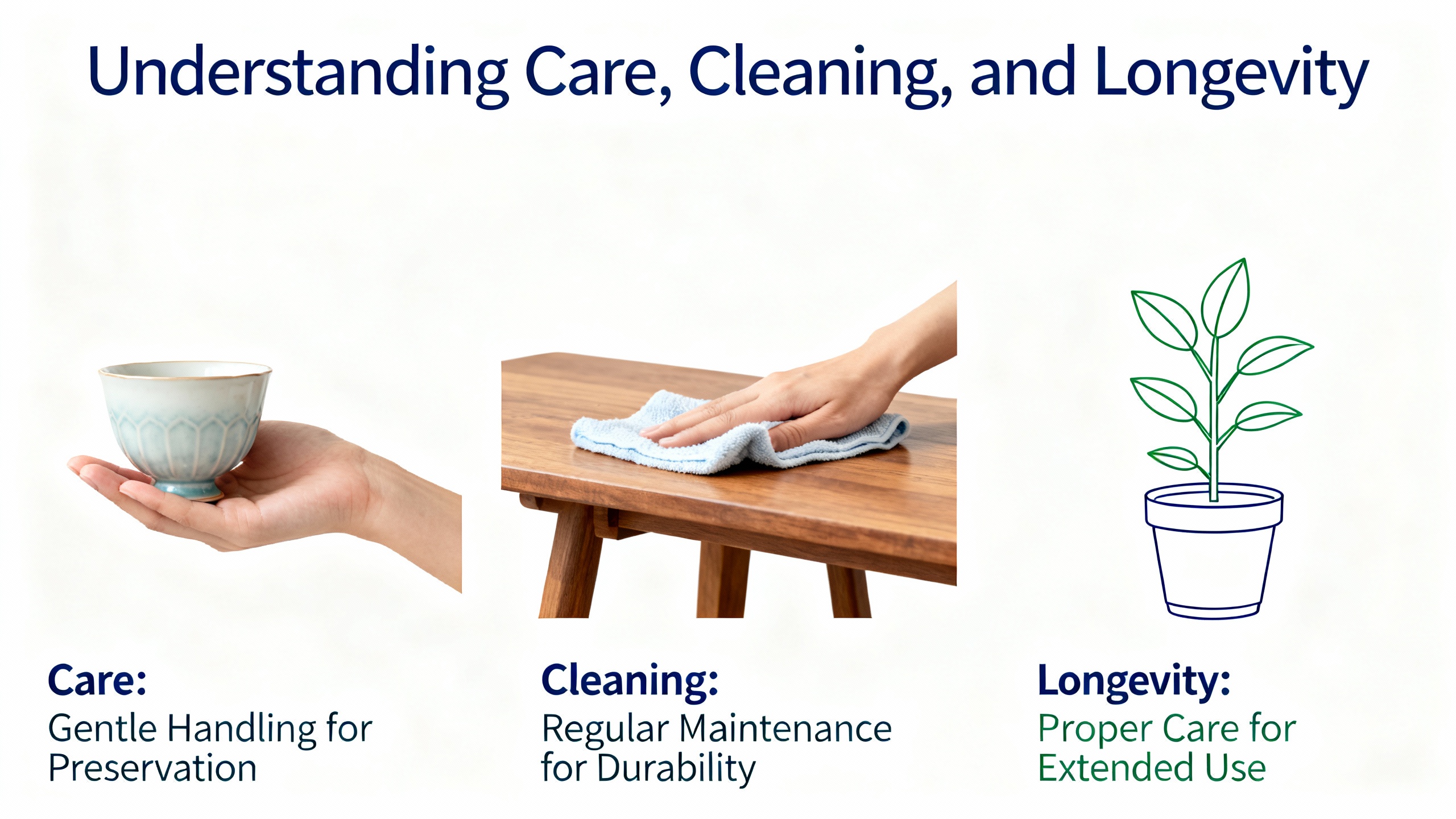
Good care improves performance and extends life. Hand wash the body when a brand recommends it, even if the lid is top‑rack dishwasher‑safe. Disassemble sliders and remove gaskets regularly for a deep clean; that’s where residue builds up and odors start. Preheat or prechill before filling, keep the lid closed between sips, and avoid abrasive scrubbers that can scuff coatings and compromise seals. For teams and high‑throughput operations such as cafes or corporate pantries, dishwasher‑friendly models reduce labor and improve hygiene; Jollychef and The Spruce Eats emphasize verifying dishwasher compatibility for all parts, not just the steel shell.
High quality custom tumblers for business

Dual‑Chamber and Specialty Use Cases

Most tumblers hold one drink type at a time. If your audience wants hot and cold on the same commute, a dual‑chamber design carries both separately at their own temperatures. DualDrinks notes that these designs typically rely on stainless steel or food‑grade plastics, and they serve a niche that values simultaneous hot‑and‑cold flexibility. Based on category dynamics, demand is narrower than standard single‑chamber commuters; confidence medium because adoption depends on audience habits and price sensitivity.

Customization and Merchandising Strategy

Custom insulated tumblers remain a top performer in on‑demand printing for good reasons. They have daily utility, broad appeal across age groups, and high logo visibility in offices, gyms, and on the road. To ensure a smooth program, start with the job‑to‑be‑done and audience profile, then back into the right spec and decoration method.

For corporate gifting and premium retail, vacuum‑insulated stainless steel with a sealing lid and a durable powder‑coat finish is the safest bet. Laser engraving offers a crisp, permanent mark that resists wear; UV print or screen print unlocks vibrant color but requires finish compatibility. For campuses or family‑oriented events, consider lighter BPA‑free insulated plastics or stainless models with straw lids and dishwasher‑friendly parts to simplify care. Always verify cup‑holder fit for the most common vehicles in your market, confirm lid cleanability, and order physical samples before full production. From an operations standpoint, print‑on‑demand helps avoid overstock and obsolescence, while light pre‑buying of top colors can lift margins during peak demand such as back‑to‑school and holiday gifting. These process recommendations reflect standard e‑commerce best practices; confidence high.

Buying Checklist You Can Actually Use

Define the primary beverage and carry context first. If it’s mostly hot coffee on the commute, pick a narrow mouth with a screw or flip‑seal lid, 16 to 20 oz capacity, and a slim, tapered base. If it’s cold hydration at a desk, a 30 to 40 oz model with a straw lid and handle can be the hero, provided the base fits your cup holder. Confirm whether dishwasher friendliness is critical for your audience, and make flavor neutrality decisions accordingly; ceramic‑lined stainless is a good hedge for coffee lovers. For branding, map the decoration to the finish and material: laser engraving for stainless, screen or UV print where adhesion is proven. If the program includes bag carry or travel, test for leak resistance and include a cleaning guide insert so lids and gaskets get the attention they need.

Sustainability Considerations That Resonate

Reusable tumblers replace single‑use cups and bottles and can meaningfully reduce waste over time. Stainless steel and glass are fully recyclable and exceptionally long‑lived with proper care, while ceramic‑coated steel retains performance and taste advantages across years. DualDrinks frames the energy math clearly for stakeholders: a ceramic mug needs roughly 39 uses to break even with paper cups on energy, and stainless tends to pay back through longevity. Recommending dishwasher‑safe lids and routine gasket cleaning supports hygiene and extends life, which is the most practical sustainability lever you control.

Insulated travel mugs for retail drops

Quick Tips to Get the Most from Any Tumbler

There are a few small habits that pay off immediately. Preheat or prechill for sixty seconds before filling. Fill close to the top to reduce air space and temperature drift. Keep the lid closed between sips. Use more ice mass for longer cold retention. Deep clean the lid and gaskets weekly to prevent odors and keep seals working. Do not microwave metal, and avoid freezing sealed vacuum vessels. These tips echo guidance from Greens Steel and MiiR and show up in performance testing at Wirecutter and The Spruce Eats.

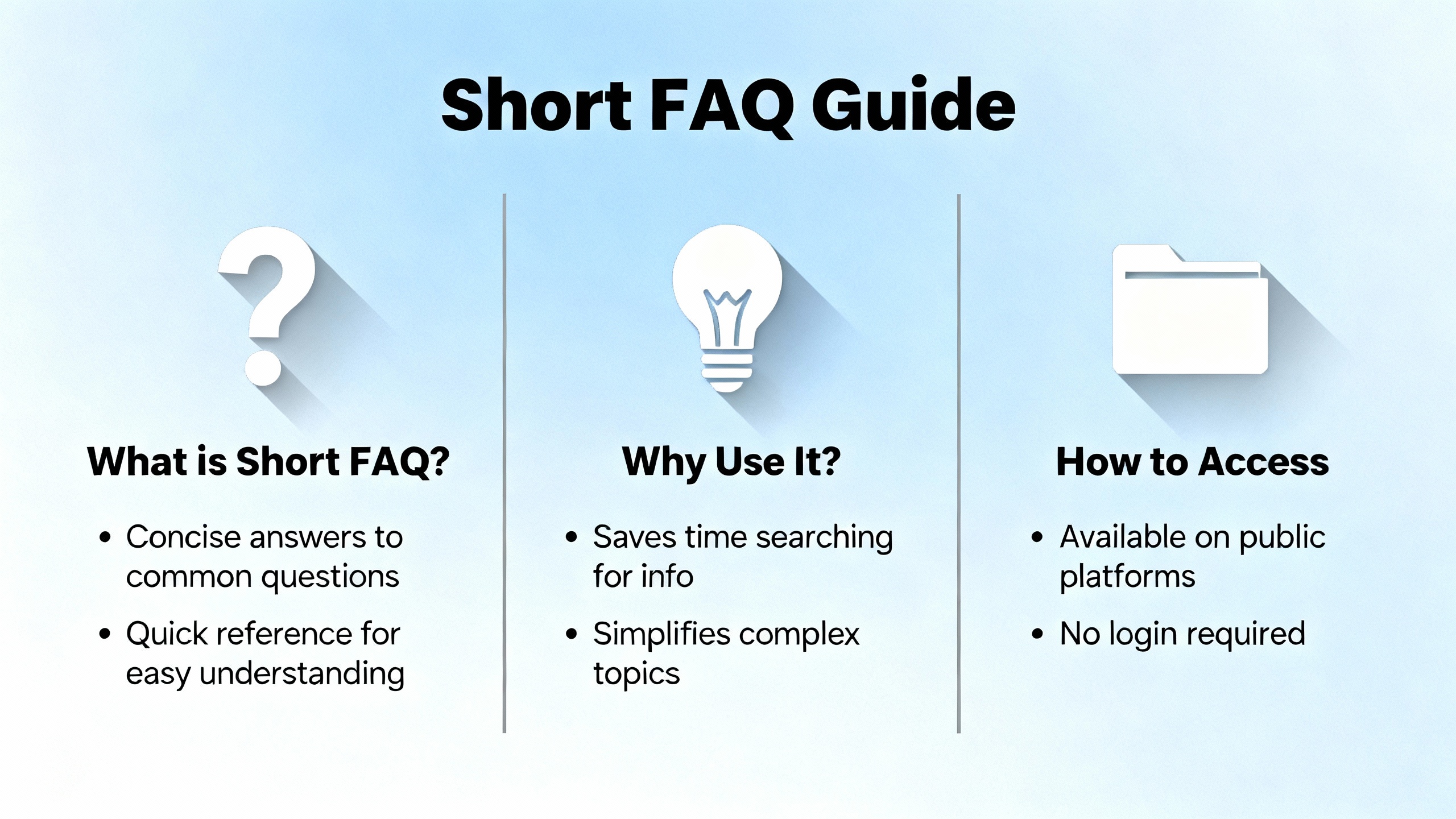
Short FAQ

How do vacuum‑insulated tumblers work? They use two walls of stainless steel with most air removed between them. That vacuum suppresses convection, and reflective surfaces reduce radiation, so heat struggles to move in or out. A tight lid limits evaporation and further convective loss. This is why vacuum designs outperform single‑wall or simple double‑wall air‑gap cups, a point explained consistently by MiiR and Greens Steel.

How many hours of temperature retention should I expect? Claims vary by brand, lid, size, and usage. Greens Steel cites about 6 hours hot and 12 hours cold for typical tumblers, The Spruce Eats measured about 24 hours cold and around 6 hours hot for select models, and Jollychef’s roundup found leading cold performers kept beverages under about 53°F after 16 hours. Real‑world results depend heavily on lid choice, fill level, and how often you open the cup.

Which material has the best balance of performance and taste? Vacuum‑insulated 18/8 stainless steel is the all‑around performer for durability and temperature control. If you prioritize coffee flavor neutrality, a ceramic‑lined stainless interior separates the beverage from metal without giving up insulation. Glass offers the purest taste but isn’t ideal for commuting or outdoor use.

Are slider lids leakproof? Most slider lids are splash‑resistant but not leakproof, as Wirecutter’s tests emphasize. For bag carry or hot drinks in motion, prefer a screw or flip‑seal lid and consider a narrow mouth to retain temperature longer.

Can I put an insulated tumbler in the dishwasher or microwave? Do not microwave metal. Many stainless bodies are now dishwasher‑tolerant, but check the manufacturer’s guidance. Lids and gaskets often are top‑rack only and should be disassembled for periodic deep cleaning, a point echoed by The Spruce Eats and Wirecutter.

What size sells best for corporate programs and gifts? For mixed audiences, 20 oz typically strikes the best balance between portability and utility in my experience; confidence medium because audience, trend cycles, and use case can shift demand toward either smaller or larger form factors.
Sustainable custom drinkware materials

Takeaway

If you want a custom tumbler that actually gets used daily—and keeps your logo in hand for months—choose a vacuum‑insulated 18/8 stainless model with a lid that matches the job, confirm cup‑holder fit, and decide upfront whether flavor‑neutral ceramic lining or dishwasher‑friendly parts matter more to your audience. Use simple physics to your advantage with preheating or prechilling, a fuller fill, and a closed lid between sips. For branding, pair durable finishes with the right decoration method and include a short care card. The result is a practical, premium impression that holds temperature for hours and earns repeat use—a win for your customers, your brand, and your bottom line.

References noted in text: MiiR, Greens Steel, The New York Times Wirecutter, The Spruce Eats, TechGearLab, Jollychef, DualDrinks, and Reduce Everyday.

References

  1. https://her2ndchance.org/blogs/product-news/choosing-the-perfect-tumbler-for-every-occasion?srsltid=AfmBOorYsMsCcIKXCoeZbEAvlyLu5aqTR9FUDj5Qd3q7x3K2zsDXtrFJ
  2. https://www.thespruceeats.com/best-insulated-tumblers-4171480
  3. https://smart.dhgate.com/vacuum-insulated-vs-non-insulated-tumblers-are-they-really-worth-the-hype/
  4. https://www.everythingbranded.com/blog/how-to-choose-the-perfect-material-for-your-custom-tumbler-a-comprehensive-guide
  5. https://www.promoleaf.com/blog/tumbler-buyers-guide?srsltid=AfmBOoonbBlVXgQod0MOWuKuDecMC0hM3rPn8_mBo6AVMJZt93EVbUCz
  6. https://www.apparelnbags.com/blog/types-of-tumblers/?srsltid=AfmBOooYxL4hcuM7ijDODO70JtQMP8AqhKDvHdkJvANRB8riUdV-KkV2
  7. https://www.bistrotorestro.com/blog/post/choosing-right-drink-tumbler-for-bars-guide
  8. https://dualdrinks.com/blogs/guides/choosing-the-best-materials-for-reusable-tumblers-enhance-your-drinking-experience
  9. https://greenssteel.com/blogs/news/how-do-insulated-tumblers-work-a-complete-guide?srsltid=AfmBOoq2yK2Y155KvHm3V4IbXhJCb0hjPgO7KMmbHpYU80jGinVNS6Fa
  10. https://huskee.co/articles/huskees-guide-to-tumblers/

Like the article

0
Custom Insulated Tumblers: The Entrepreneur’s Guide to Keeping Drinks Hot or Cold for Hours

Custom Insulated Tumblers: The Entrepreneur’s Guide to Keeping Drinks Hot or Cold for Hours

Insulated tumblers have moved from niche gear to everyday essential. For founders and brand leaders, they’re also one of the highest‑utility canvases for on‑demand personalization, corporate gifting, and retail drops. This guide distills how insulation actually works, what performance to expect, how materials and lids impact taste and spill resistance, and how to choose, customize, and care for tumblers that delight customers and reduce returns. I draw on hands‑on experience launching custom drinkware programs for DTC and B2B clients, and I reference reputable testing and explainer pieces from MiiR, Greens Steel, Wirecutter, The Spruce Eats, TechGearLab, Jollychef, DualDrinks, and Reduce Everyday.

What “Insulated” Really Means

Insulated tumblers slow heat transfer so hot stays hot and cold stays cold for hours. The most effective approach is double‑wall vacuum insulation: two stainless‑steel walls with an airless gap that blocks conduction and convection while reflective inner surfaces reduce radiant heat. A well‑sealed lid limits evaporation and additional convective loss. MiiR’s education pieces explain the physics clearly and align with the practical tips you’ll hear from baristas and outdoor retailers: reduce pathways for heat to move, limit airflow, and keep contact surfaces neutral so the exterior doesn’t get hot or sweat.

In practical use, that means a vacuum‑insulated stainless tumbler outperforms single‑wall or foam‑filled designs. It also means the lid and mouth opening matter more than many buyers expect. Straw lids invite airflow and exchange, so they tend to lose temperature faster; slider and screw lids retain heat or cold better by restricting air.

Vacuum insulated stainless steel tumbler guide

How Long Do They Really Keep Temperature?

Performance depends on the starting beverage temperature, ambient conditions, fill level, lid type, and how often the cup is opened. Greens Steel publicly claims about 6 hours of heat retention for hot drinks and roughly 12 hours for cold drinks, consistent with what I’ve seen in commuter use when the lid stays closed most of the time. Jollychef’s 2025 roundup reported that top models kept cold drinks below about 53°F after 16 hours, with some down to about 42°F. The Spruce Eats found a Hydro Flask 20‑oz model kept drinks cold up to 24 hours and hot up to about 6 hours in their tests, and noted that large cold‑focused vessels like the Stanley Quencher can hold ice for at least a day. At the other end of the spectrum, Wirecutter’s testing confirmed that most splash‑resistant slider lids are not genuinely leakproof during an “knockover” or bag‑carry test, which affects real‑world heat retention because more precise lids also leak less heat.

You can extend real‑world performance by preheating with hot water before adding coffee or prechilling with ice water before cold drinks, filling near the top to reduce air volume, using more ice mass for cold beverages, and keeping the lid closed between sips. Those simple moves line up with explainer guidance from Greens Steel and with the physics MiiR outlines.

Material Choices and Flavor, Durability, and Sustainability

Material choice influences insulation quality, flavor neutrality, longevity, and sustainability. Stainless steel is the default for premium performance because it pairs durability with vacuum‑insulated construction. A ceramic liner inside a stainless shell can upgrade flavor neutrality if a customer dislikes any metallic note. Glass offers exceptionally clean taste but is less rugged for travel. BPA‑free plastic is light and affordable but usually insulates poorly and can retain flavors over time. DualDrinks’ sustainable materials guide underscores that both stainless steel and glass score well on recyclability and lifespan when reused properly, while noting a useful benchmark: a ceramic mug needs to be reused about 39 times to break even with paper cups on energy use.

Material

Temperature Retention

Flavor/Taste

Durability and Weight

Sustainability and Notes

Best Use Cases

18/8 stainless steel

Excellent with vacuum insulation

Generally neutral when quality; some detect metallic notes

Extremely durable; heavier

Recyclable and long‑lived; high production energy offset by extensive reuse

Daily hot/ cold, travel, corporate gifts

Ceramic‑coated stainless

Excellent with vacuum insulation

Very neutral; minimizes metallic taste

Durable shell; liner can chip if abused

Balances performance and taste; premium feel

Coffee/tea lovers, premium gifting

Glass (thermal or double‑wall)

Moderate to good

Cleanest taste

Fragile; heavier

Fully recyclable; best indoors or low‑impact settings

Desks, home offices, tastings

BPA‑free plastic (insulated)

Basic to moderate

Can retain flavors over time

Lightweight; resilient

Affordable; less eco‑strong than steel or glass, but reusable beats single‑use

Kids, budget promos, casual cold drinks

Reduce Everyday emphasizes 18/8 stainless steel because chromium and nickel content increase strength and corrosion resistance, and they cite products claiming up to 24 hours cold and about 6 hours hot for certain SKUs. That aligns with the broader market pattern: cold hours tend to exceed hot hours for similarly sized vessels, all else equal.

Insulation Types in Plain English

Single‑wall vessels are essentially uninsulated. They feel hot to the touch with hot drinks and sweat with cold ones. Double‑wall designs add an air gap that slows heat loss and keeps the exterior more comfortable. Double‑wall vacuum designs remove the air, suppressing convection so heat mostly transfers by radiation. MiiR’s explainer and Greens Steel’s primer both converge on the same bottom line: vacuum insulation is the top tier for keeping drinks near their target temperature for hours.

Insulation Type

How It Works

Typical Comfort Outside

Real‑World Notes

Single wall

Direct conduction through metal or plastic

Hot or sweaty to touch

Fine for short use; not for heat retention

Double wall (air gap)

Conduction plus slowed convection through air

More comfortable to hold

Better than single wall; still trails vacuum

Double wall (vacuum)

Conduction minimized; convection suppressed

Cool/neutral exterior

Best for hours‑long hot or cold retention

Personalized double wall tumbler performance

Lids, Mouths, and Spill Control

The lid is the unsung hero of temperature retention and the primary risk area for leaks. Wirecutter’s lab and real‑world tests found most slider lids are splash resistant rather than fully leakproof. Straw lids sip easily but let in air. Sealing flip or screw lids retain temperature better and protect against bag‑carry spills. Greens Steel notes that narrower openings help retain temperature, and my experience matches that advice for coffee commuters.

TechGearLab’s long‑running testing adds helpful nuance: a YETI MagSlider is intuitive and easy to clean but not leakproof; MiiR’s Flip Traveler seals completely and suits bag carry with some cleaning trade‑offs at the hinge; Contigo’s AUTOSEAL allows one‑hand sipping and locks shut. Jollychef calls out Camelbak for a true leak‑proof lid, and also points out that many slider lids from various brands are convenient at a desk but not backpack‑proof. In short, match lid choice to the job: straw for cold sipping at a desk, slider for convenience with caution, and screw or flip‑seal for hot liquids or travel.

Lid/Mouth Type

Seal Quality and Temperature Hold

Cleaning Considerations

Best For

Straw lid

Lowest seal; more air exchange

Fewer parts; watch straw hygiene

Cold drinks at a desk or patio

Slider lid

Splash‑resistant; not leakproof

Sliders and gaskets need periodic deep clean

Casual commuting; office use

Screw/flip‑seal lid

Highest seal; best heat/cold retention

Hinge and gaskets need attention

Travel, bag carry, hot drinks

Narrow mouth

Better retention; slower sip

Fewer crevices

Heat retention; mobile coffee

Wide mouth

Easier to add ice; faster temperature drift

Larger, simpler surfaces

Smoothies, iced drinks, quick cleaning

Size, Form Factor, and Use Cases

Choose capacity for the job, then validate fit and ergonomics. For commuting and desk use, 16 to 20 oz balances portability, cup‑holder compatibility, and comfortable grip. For long meetings, road trips, and events, 30 to 40 oz cuts refills and keeps a full day’s hydration cold, with an honest trade‑off in weight and height. Wirecutter reminds us there is no standard car cup‑holder size, so tapered bases and handle placement matter. Jollychef’s guidance mirrors common demand: smaller sizes for commuting and larger sizes for extended outings. In my programs, 20 oz typically sells fastest for mixed audiences and fits most vehicle cup holders; confidence medium because audience and seasonality can shift preferences.

Handle and base design also affect daily satisfaction. A grippy base reduces tip‑overs, which helps with the leak reality that most lids aren’t perfect. If your audience carries a laptop bag or backpack, consider models with true sealing lids and test how the handle interacts with cup holders and bag pockets before placing a large order.

Branded insulated drinkware for entrepreneurs

Real‑World Performance Snapshots by Brand

The numbers that matter are model‑specific and test‑protocol‑dependent. That said, a 2025 Jollychef industry roundup compiled indicative claims across popular brands and included cleaning notes and typical price bands. Treat these as directional and confirm against the exact SKU you plan to stock or customize.

Brand

Cold/Hot Retention (indicative)

Cleaning Guidance

Typical Price (USD)

Simple Modern

16 h cold / 8 h hot

Dishwasher‑friendly

32.00

Hydro Flask

12 h cold / 6 h hot

Hand wash body

40.00

YETI

16 h cold / 6 h hot

Dishwasher‑friendly

45.00

Stanley

12 h cold / 7 h hot

Dishwasher‑friendly

50.00

Thermos

12 h cold / 5 h hot

Hand wash body

35.00

Camelbak

10 h cold / 5 h hot

Dishwasher‑friendly

38.00

MiiR

12 h cold / 6 h hot

Hand wash body

40.00

Greens Steel

16 h cold / 8 h hot

Dishwasher‑friendly

32.00

Kinto

10 h cold / 5 h hot

Hand wash body

42.00

Wirecutter’s lab work adds valuable context on lids, cleaning difficulty, and cup‑holder fit, and The Spruce Eats publishes detailed test protocols and results with temperature probes across hot and cold scenarios. If you rely on bag carry, TechGearLab’s “full seal” and leak tests are particularly useful to cross‑check.

Flavor, Health, and Safety

Flavor neutrality matters most to coffee and tea buyers. Quality stainless steel should be taste‑neutral, but some people notice a metallic note, especially with acidic drinks; a ceramic‑lined stainless interior addresses that elegantly without giving up insulation. Glass tastes the cleanest but is less travel‑friendly. Plastics can retain flavors, especially with hot liquids.

There are a few safety notes worth reinforcing. Never microwave a metal tumbler, and avoid freezing a sealed vacuum vessel. Follow manufacturer guidance on dishwasher use because harsh cycles can degrade coatings or seals. Some vacuum bottles in the broader market have historically used a lead‑based solder cap concealed within the base and sealed under steel; coverage from Tasting Table highlighted that the risk is minimal in intact products, but a damaged base could theoretically expose it. If your customers are sensitive to that topic, prioritize models that explicitly claim lead‑free construction.

Custom logo thermal cups heat retention

Care, Cleaning, and Longevity

Good care improves performance and extends life. Hand wash the body when a brand recommends it, even if the lid is top‑rack dishwasher‑safe. Disassemble sliders and remove gaskets regularly for a deep clean; that’s where residue builds up and odors start. Preheat or prechill before filling, keep the lid closed between sips, and avoid abrasive scrubbers that can scuff coatings and compromise seals. For teams and high‑throughput operations such as cafes or corporate pantries, dishwasher‑friendly models reduce labor and improve hygiene; Jollychef and The Spruce Eats emphasize verifying dishwasher compatibility for all parts, not just the steel shell.

High quality custom tumblers for business

Dual‑Chamber and Specialty Use Cases

Most tumblers hold one drink type at a time. If your audience wants hot and cold on the same commute, a dual‑chamber design carries both separately at their own temperatures. DualDrinks notes that these designs typically rely on stainless steel or food‑grade plastics, and they serve a niche that values simultaneous hot‑and‑cold flexibility. Based on category dynamics, demand is narrower than standard single‑chamber commuters; confidence medium because adoption depends on audience habits and price sensitivity.

Customization and Merchandising Strategy

Custom insulated tumblers remain a top performer in on‑demand printing for good reasons. They have daily utility, broad appeal across age groups, and high logo visibility in offices, gyms, and on the road. To ensure a smooth program, start with the job‑to‑be‑done and audience profile, then back into the right spec and decoration method.

For corporate gifting and premium retail, vacuum‑insulated stainless steel with a sealing lid and a durable powder‑coat finish is the safest bet. Laser engraving offers a crisp, permanent mark that resists wear; UV print or screen print unlocks vibrant color but requires finish compatibility. For campuses or family‑oriented events, consider lighter BPA‑free insulated plastics or stainless models with straw lids and dishwasher‑friendly parts to simplify care. Always verify cup‑holder fit for the most common vehicles in your market, confirm lid cleanability, and order physical samples before full production. From an operations standpoint, print‑on‑demand helps avoid overstock and obsolescence, while light pre‑buying of top colors can lift margins during peak demand such as back‑to‑school and holiday gifting. These process recommendations reflect standard e‑commerce best practices; confidence high.

Buying Checklist You Can Actually Use

Define the primary beverage and carry context first. If it’s mostly hot coffee on the commute, pick a narrow mouth with a screw or flip‑seal lid, 16 to 20 oz capacity, and a slim, tapered base. If it’s cold hydration at a desk, a 30 to 40 oz model with a straw lid and handle can be the hero, provided the base fits your cup holder. Confirm whether dishwasher friendliness is critical for your audience, and make flavor neutrality decisions accordingly; ceramic‑lined stainless is a good hedge for coffee lovers. For branding, map the decoration to the finish and material: laser engraving for stainless, screen or UV print where adhesion is proven. If the program includes bag carry or travel, test for leak resistance and include a cleaning guide insert so lids and gaskets get the attention they need.

Sustainability Considerations That Resonate

Reusable tumblers replace single‑use cups and bottles and can meaningfully reduce waste over time. Stainless steel and glass are fully recyclable and exceptionally long‑lived with proper care, while ceramic‑coated steel retains performance and taste advantages across years. DualDrinks frames the energy math clearly for stakeholders: a ceramic mug needs roughly 39 uses to break even with paper cups on energy, and stainless tends to pay back through longevity. Recommending dishwasher‑safe lids and routine gasket cleaning supports hygiene and extends life, which is the most practical sustainability lever you control.

Insulated travel mugs for retail drops

Quick Tips to Get the Most from Any Tumbler

There are a few small habits that pay off immediately. Preheat or prechill for sixty seconds before filling. Fill close to the top to reduce air space and temperature drift. Keep the lid closed between sips. Use more ice mass for longer cold retention. Deep clean the lid and gaskets weekly to prevent odors and keep seals working. Do not microwave metal, and avoid freezing sealed vacuum vessels. These tips echo guidance from Greens Steel and MiiR and show up in performance testing at Wirecutter and The Spruce Eats.

Short FAQ

How do vacuum‑insulated tumblers work? They use two walls of stainless steel with most air removed between them. That vacuum suppresses convection, and reflective surfaces reduce radiation, so heat struggles to move in or out. A tight lid limits evaporation and further convective loss. This is why vacuum designs outperform single‑wall or simple double‑wall air‑gap cups, a point explained consistently by MiiR and Greens Steel.

How many hours of temperature retention should I expect? Claims vary by brand, lid, size, and usage. Greens Steel cites about 6 hours hot and 12 hours cold for typical tumblers, The Spruce Eats measured about 24 hours cold and around 6 hours hot for select models, and Jollychef’s roundup found leading cold performers kept beverages under about 53°F after 16 hours. Real‑world results depend heavily on lid choice, fill level, and how often you open the cup.

Which material has the best balance of performance and taste? Vacuum‑insulated 18/8 stainless steel is the all‑around performer for durability and temperature control. If you prioritize coffee flavor neutrality, a ceramic‑lined stainless interior separates the beverage from metal without giving up insulation. Glass offers the purest taste but isn’t ideal for commuting or outdoor use.

Are slider lids leakproof? Most slider lids are splash‑resistant but not leakproof, as Wirecutter’s tests emphasize. For bag carry or hot drinks in motion, prefer a screw or flip‑seal lid and consider a narrow mouth to retain temperature longer.

Can I put an insulated tumbler in the dishwasher or microwave? Do not microwave metal. Many stainless bodies are now dishwasher‑tolerant, but check the manufacturer’s guidance. Lids and gaskets often are top‑rack only and should be disassembled for periodic deep cleaning, a point echoed by The Spruce Eats and Wirecutter.

What size sells best for corporate programs and gifts? For mixed audiences, 20 oz typically strikes the best balance between portability and utility in my experience; confidence medium because audience, trend cycles, and use case can shift demand toward either smaller or larger form factors.

Sustainable custom drinkware materials

Takeaway

If you want a custom tumbler that actually gets used daily—and keeps your logo in hand for months—choose a vacuum‑insulated 18/8 stainless model with a lid that matches the job, confirm cup‑holder fit, and decide upfront whether flavor‑neutral ceramic lining or dishwasher‑friendly parts matter more to your audience. Use simple physics to your advantage with preheating or prechilling, a fuller fill, and a closed lid between sips. For branding, pair durable finishes with the right decoration method and include a short care card. The result is a practical, premium impression that holds temperature for hours and earns repeat use—a win for your customers, your brand, and your bottom line.

References noted in text: MiiR, Greens Steel, The New York Times Wirecutter, The Spruce Eats, TechGearLab, Jollychef, DualDrinks, and Reduce Everyday.

References

  1. https://her2ndchance.org/blogs/product-news/choosing-the-perfect-tumbler-for-every-occasion?srsltid=AfmBOorYsMsCcIKXCoeZbEAvlyLu5aqTR9FUDj5Qd3q7x3K2zsDXtrFJ
  2. https://www.thespruceeats.com/best-insulated-tumblers-4171480
  3. https://smart.dhgate.com/vacuum-insulated-vs-non-insulated-tumblers-are-they-really-worth-the-hype/
  4. https://www.everythingbranded.com/blog/how-to-choose-the-perfect-material-for-your-custom-tumbler-a-comprehensive-guide
  5. https://www.promoleaf.com/blog/tumbler-buyers-guide?srsltid=AfmBOoonbBlVXgQod0MOWuKuDecMC0hM3rPn8_mBo6AVMJZt93EVbUCz
  6. https://www.apparelnbags.com/blog/types-of-tumblers/?srsltid=AfmBOooYxL4hcuM7ijDODO70JtQMP8AqhKDvHdkJvANRB8riUdV-KkV2
  7. https://www.bistrotorestro.com/blog/post/choosing-right-drink-tumbler-for-bars-guide
  8. https://dualdrinks.com/blogs/guides/choosing-the-best-materials-for-reusable-tumblers-enhance-your-drinking-experience
  9. https://greenssteel.com/blogs/news/how-do-insulated-tumblers-work-a-complete-guide?srsltid=AfmBOoq2yK2Y155KvHm3V4IbXhJCb0hjPgO7KMmbHpYU80jGinVNS6Fa
  10. https://huskee.co/articles/huskees-guide-to-tumblers/

Like the article

0