

Custom Oversized Hoodies: Design Comfortable Trendy Apparel
Designing and selling custom oversized hoodies is one of the most reliable ways to ship comfort, culture, and brand identity in a single product. From my experience advising founders and operators in on‑demand printing and dropshipping, oversized silhouettes consistently convert because they solve for fit flexibility, cozy feel, and a street‑credible look that photographs well. The key is to pair the right fabric, weight, print method, and sizing strategy with a production model that protects margins and quality. This guide distills practical, shop‑floor know‑how with reputable insights from vendors and publishers such as Printful, Merchize, UberPrints, Gelato, ModaKnits, Carhartt Company Gear, Contrado, DHgate’s buying guide, Vistaprint, QYNDA, Veetrends, Underground Printing, RushOrderTees, and PatternReview.
What “Oversized” Really Means
Oversized is not a random upsize; it is a deliberate silhouette. A well‑proportioned oversized hoodie typically drops the shoulder seam slightly beyond the shoulder point, carries a relaxed chest, and lands around mid‑hip with sleeves that cover the wrist and may graze the hand without swallowing it. A good oversized hoodie looks intentional because it balances volume and structure: it moves with the body, layers over tees or flannels, and still holds shape at the cuffs and hem. Buying guides emphasize checking a vendor’s measurement chart rather than relying on S/M/L tags, trying one to two sizes up only when the pattern supports it, and confirming shoulder drop and sleeve length to avoid a sloppy hang. That approach matches DHgate’s fit guidance and aligns with how retail‑quality patterns are graded.
Construction influences silhouette. Side‑seam bodies (as described by UberPrints) are cut and sewn with shaped panels for a truer‑to‑size profile, while tubular bodies are knit as a tube and tend to fit roomier and boxier—useful when you want that easy oversized look. Zip‑ups can feel slightly looser because of the zipper channel. Premium lines often use sturdier cuffs and hembands that make oversized volume read refined, not saggy.

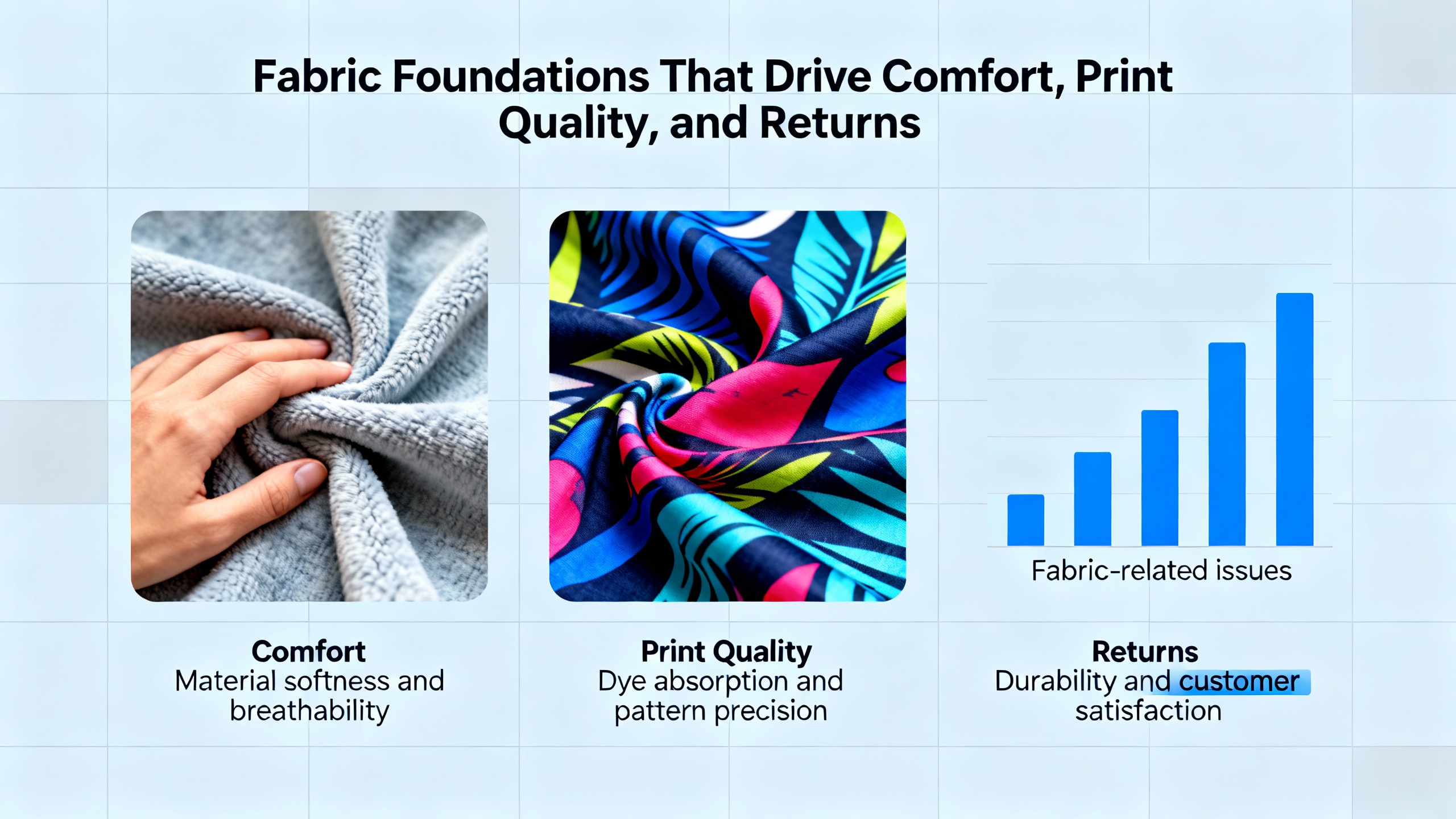
Fabric Foundations That Drive Comfort, Print Quality, and Returns
The fabric you choose dictates hand‑feel, how prints and embroidery land, and how a hoodie survives laundering. The following properties and tradeoffs reflect vendor documentation and material guides.
Cotton
Cotton is the comfort classic: soft, breathable, skin‑friendly, and an excellent canvas for vivid direct‑to‑garment and DTF prints as well as embroidery. Ringspun and combed cotton elevate softness further. Cotton is highly absorbent—it can hold a large multiple of its weight in water—so it can feel heavy and dry slowly after rain or intense activity. Expect some shrink unless pre‑shrunk; wrinkles are manageable with care.
Polyester
Polyester is the performance workhorse: durable, shape‑stable, wrinkle‑resistant, quick‑dry, and moisture‑wicking. Its hydrophobic nature is well documented, with very low moisture regain, which is why it stays light and dries fast during workouts or light rain. Tradeoffs include a tighter feel and less natural breathability unless engineered; some garments retain odors if not washed promptly. Recycled polyester options introduce a sustainability angle noted by several vendors.
Cotton‑Poly Blends
Blends balance cotton’s softness and breathability with polyester’s durability and faster drying. Common ratios have practical implications. At 50/50 you gain easy care and color retention with less wrinkling; at roughly 65/35 you get a softer hand with resilience; at 80/20 you get cotton‑forward comfort with just enough polyester to improve longevity and reduce shrink. Printful points out that hoodies with a 100% cotton face produce especially vibrant prints while still benefiting from blended durability. For on‑demand programs, balanced blends are the safe, year‑round choice.
Fleece
Fleece is a knit (often polyester or cotton‑poly) brushed to a plush nap that traps warm air at low weight. Brushed fleece interiors feel cloud‑soft and insulate well without excessive bulk. Cotton fleece breathes and feels weighty; polyester fleece is lighter, warmer per weight, and faster drying. Polar fleece excels in cold; microfleece is lighter for transitional weather. Many vendors warn that lower‑grade fleece can pill, so sample before listing.
French Terry
French terry is a midweight loop‑back knit that breathes better than fleece and offers moderate warmth. It drapes cleanly, resists feeling swampy in warm indoor settings, and is a go‑to for athleisure and all‑season capsules. It generally prints and embroiders predictably because of its smooth face.
Tri‑blends and Specialty Fibers
Tri‑blends such as 50/25/25 cotton‑poly‑rayon deliver a luxuriously soft drape and lightweight comfort, while poly‑cotton‑elastane mixes add stretch and shape retention that help oversized garments keep their line. Rayon (viscose) is semi‑synthetic with a silky hand; elastane (spandex) improves recovery around cuffs and hems. Bamboo blends appear in some vendor assortments for eco‑appeal and softness, though durability relies on blending. Wool hoodies insulate exceptionally well and manage moisture but cost more and need careful care; embroidery is safer than DTG on wool’s texture.
Weight, Warmth, and Drape in Practical Terms
Most vendors label weight by area density. If your supplier lists grams per square meter, convert to the familiar ounces per square yard when planning US‑market listings. The tiers below synthesize multiple vendor guides.
Weight Class | Typical oz/yd² | Feel and Warmth | Common Materials | Best For |
|---|---|---|---|---|
Lightweight | 5.9–7.4 | Airy with easy drape and fast dry | Cotton jersey, light blends, microfleece | Summer evenings, layering pieces, gym warm‑ups |
Midweight | 7.4–8.9 | Year‑round comfort with balanced warmth | 50/50 or ~65/35 fleece, French terry | Core catalog staples, all‑season drops |
Heavyweight | 8.9–11.8 | Cozy, substantial hand, holds shape | Cotton‑forward fleece, dense French terry | Fall–winter, premium feel capsules |
Extra Heavy to Extreme | >11.8 (often 14–20) | Serious warmth, structured drape | Thick cotton fleece, brushed terry, wool blends | Deep winter, statement silhouettes |
Merchize outlines tiered ranges and seasonality, while ModaKnits highlights heavyweight fabrics around the mid‑teens to 20 oz/yd². Oversized silhouettes pair beautifully with midweight and heavyweight knits because the volume reads intentional and the fabric “hangs” rather than clings.
Print and Embroidery Decisions That Protect Your Margins
Print method should follow fabric chemistry and artwork goals, as vendors like Printful and Vistaprint emphasize. High‑cotton or cotton‑face fabrics render the most vibrant DTG and DTF prints. High‑polyester garments enable vivid, durable sublimation and full‑coverage all‑over prints. Thicker fabrics handle larger embroidery without puckering; embroidery elevates perceived value on premium drops, crew logos, and varsity looks. When planning all‑over prints, note production realities: a hand‑made, panel‑print workflow (like Contrado’s) achieves seven distinct print zones including sleeves, hood sides, front, back, and inner hood, with minor alignment variance. Repeating small logos in the design tool can mitigate centering sensitivity during sewing.
For logo placements, vendor pages echo the obvious but critical: front chest and back panels sell; sleeve placements look modern; inner hood prints surprise and delight. Use a cotton‑face 80/20 fleece for saturated front graphics, polyester fleece for a quick‑dry training hoodie, and French terry for breathable lifestyle prints. When in doubt, test your two most ink‑dense designs on your two most common fabrics before listing. That single discipline prevents most avoidable returns.

Pattern and Construction Details That Customers Feel
Shoppers can sense construction quality the moment they slide a cuff over the hand. UberPrints’ breakdown is a helpful shorthand. Tubular bodies skew roomier and a touch boxy—useful for comfort‑first oversize fits at budget price points. Side‑seam bodies track truer to size and read more “retail,” with shaped panels, tighter cuff yarns, and stronger hem bands. Zip‑ups can feel slightly more relaxed; the zipper adds cost and changes how the body hangs. Carhartt Company Gear’s custom catalog underscores the workwear end of the spectrum, where durability and colorfastness are prioritized across a finite style set. If your brand story leans rugged or job‑site friendly, a side‑seam pattern with reinforced cuffs and a mid‑heavy fleece lands the story cleanly.
Sizing Strategy for Oversized Comfort Without Sloppiness
A consistent fit policy is a revenue protector. Start with chest width, shoulder span, body length, and sleeve length, not size letters. Oversized silhouettes shine when the shoulder seam drops a bit, the body drapes to mid‑hip, and the sleeve covers the wrist while showing some ribbing. Petite customers may prefer a pattern designed as oversized in their usual size rather than jumping to a large men’s size that overwhelms their frame. If a vendor offers an oversized cut by design, size up only when you want a baggier streetwear read. Favor retailers or print partners with friendly exchanges so you can iterate your fit chart based on early customer feedback. This guidance reflects DHgate’s consumer tips and aligns with how pattern grading interacts with style intent.
Care and Longevity: What to Promise and How to Deliver It
Care instructions directly affect how customers rate softness over time. Wash cold, use gentle detergent, and air‑dry or tumble on low are consistent recommendations across material experts such as ModaKnits and Veetrends. Polyester dries quickly and holds color; cotton can fade sooner and shrink if not pre‑shrunk. Blends resist shrink and pilling better than many 100% cotton options. Fleece’s brushed interior is cozy but can pill in lower grades; ask your vendor about abrasion performance. Wool hoodies reward with warmth and odor resistance but need careful hand‑washing, and embroidery is safer than DTG on that texture. If odor retention is a concern on performance polyester, advise prompt laundering. The small cost of a clearly printed care label is paid back in higher lifetime reviews.
Buying Strategy and Vendor Realities for POD and Dropshipping
Your supply chain choice sets expectations for speed, decoration options, and MOQs. Multi‑vendor insights converge around a few truths. Printful’s catalog shows why cotton‑poly fleece dominates hoodie volume: it balances feel, print versatility, and durability. Merchize’s and Gelato’s fabric explainers guide pairing climate and use case with material. RushOrderTees and Underground Printing advertise no minimums, bulk discounts, and fast shipping; those policies support both test‑and‑learn drops and scale‑up campaigns. Contrado’s handmade all‑over service offers unmatched placement flexibility with sewn‑in label branding, well suited to capsule collections. UberPrints recommends using its quote calculator because price swings with print locations and color counts. Carhartt Company Gear maintains a tight custom lineup that appeals to teams that prioritize rugged brand consistency.
Sampling is non‑negotiable. Order at least one in each fabric bucket you plan to sell—midweight cotton‑poly fleece, a cotton‑face 80/20 for high‑chroma prints, a high‑poly garment for sublimation, and one French terry option. Photograph the product on two body types and measure key points yourself to validate the vendor chart. That hour of diligence prevents mismatch between copy claims and customer reality.
Profit, Pricing, and Customer Value
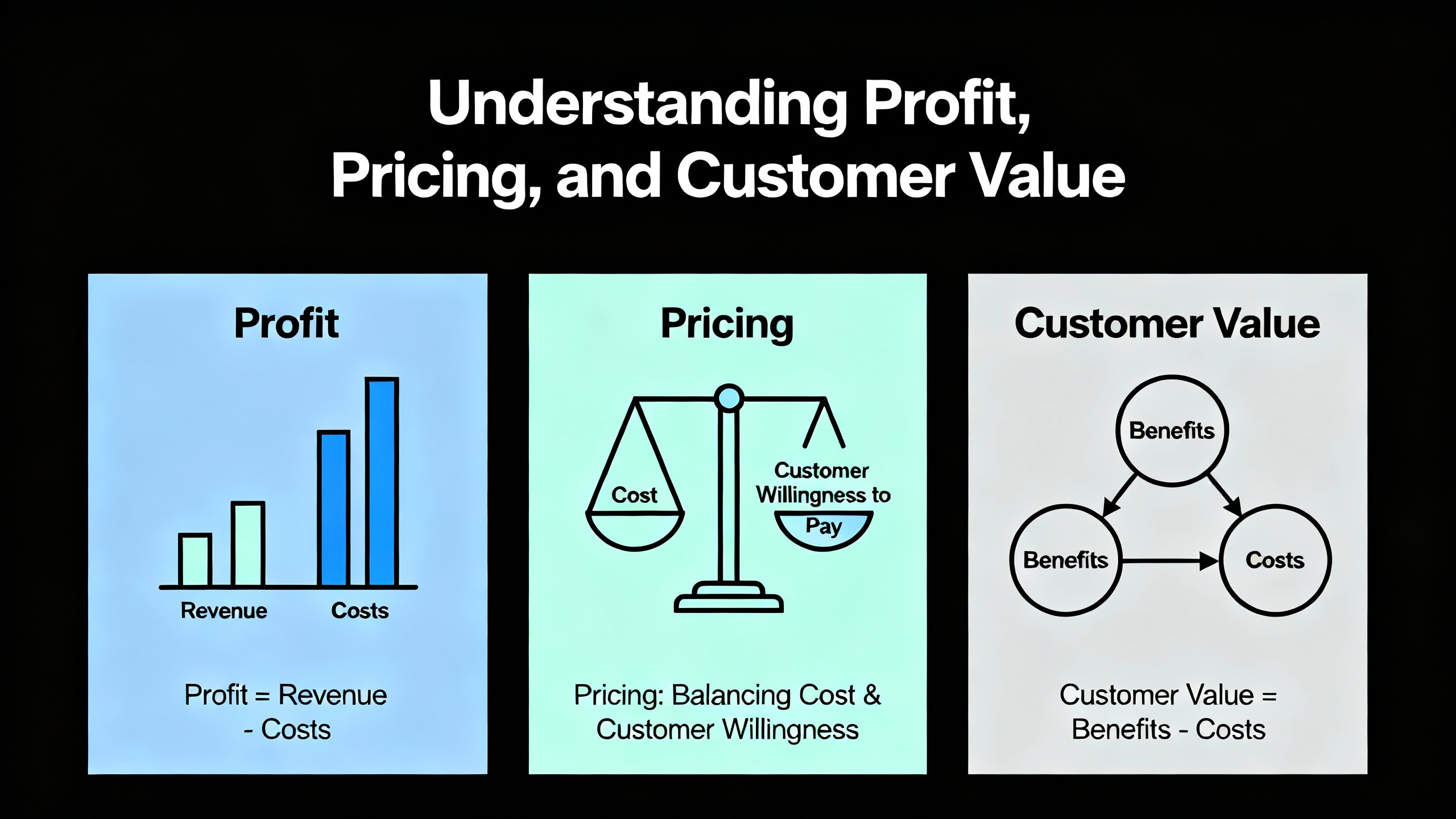
A simple cost model keeps you honest. A teaching example from a creative‑design guide shows materials at $10.00, printing at $5.00, labor at $4.00, and marketing at $1.00, for a total of $20.00 per unit before platform fees and shipping. Your sustainable selling price must cover that unit cost, packaging, shipping, transaction fees, and ad spend, while leaving margin for returns and promotions. What customers actually pay hinges on perceived value, which is driven by fabric hand, weight, print crispness, and photography. In my experience, embroidery on a mid‑heavy cotton‑face fleece hoodie can justify a meaningful price delta because the tactile upgrade reads premium on arrival. This is an inference from mentoring POD brands, with high confidence for lifestyle niches; specific margins vary by vendor and target audience.
Quick Fabric and Use‑Case Comparison
Fabric | Core Pros | Core Cons | Best Decoration | Typical Use |
|---|---|---|---|---|
100% Cotton | Soft, breathable, skin‑friendly; vivid DTG/DTF; classic hand | Absorbent and slow to dry; can shrink; prints may fade sooner | DTG/DTF, embroidery | Everyday cozy wear, brand‑color tees and hoodies |
Polyester | Durable, shape‑stable, quick‑dry, moisture‑wicking | Less breathable feel; odor retention if not washed promptly | Sublimation, embroidery | Training hoodies, all‑over prints |
Cotton‑Poly Blend | Balanced comfort and durability; resists shrink/pill; easy care | Slight compromise vs purist cotton softness | Screen print, DTG on cotton‑face, DTF, embroidery | Year‑round staples, merch lines |
Fleece (Brushed) | Plush warmth at low weight; cozy interior | Lower grades can pill; very warm for summer | Screen print on face, embroidery | Fall/winter, lounge‑forward capsules |
French Terry | Breathable loop‑back, moderate warmth, clean drape | Less insulating than fleece | Screen, DTG/DTF, embroidery | All‑season athleisure |
Tri‑blend / Elastane Mix | Ultra‑soft drape; stretch and recovery; premium feel | Pricier; some blends pill; care sensitivity | DTG/DTF on cotton‑dominant; sublimation on poly‑dominant | Lifestyle capsules, drapey oversized fits |
This table synthesizes guidance echoed by Printful, Vistaprint, Gelato, Merchize, and TSS‑style material explainers.
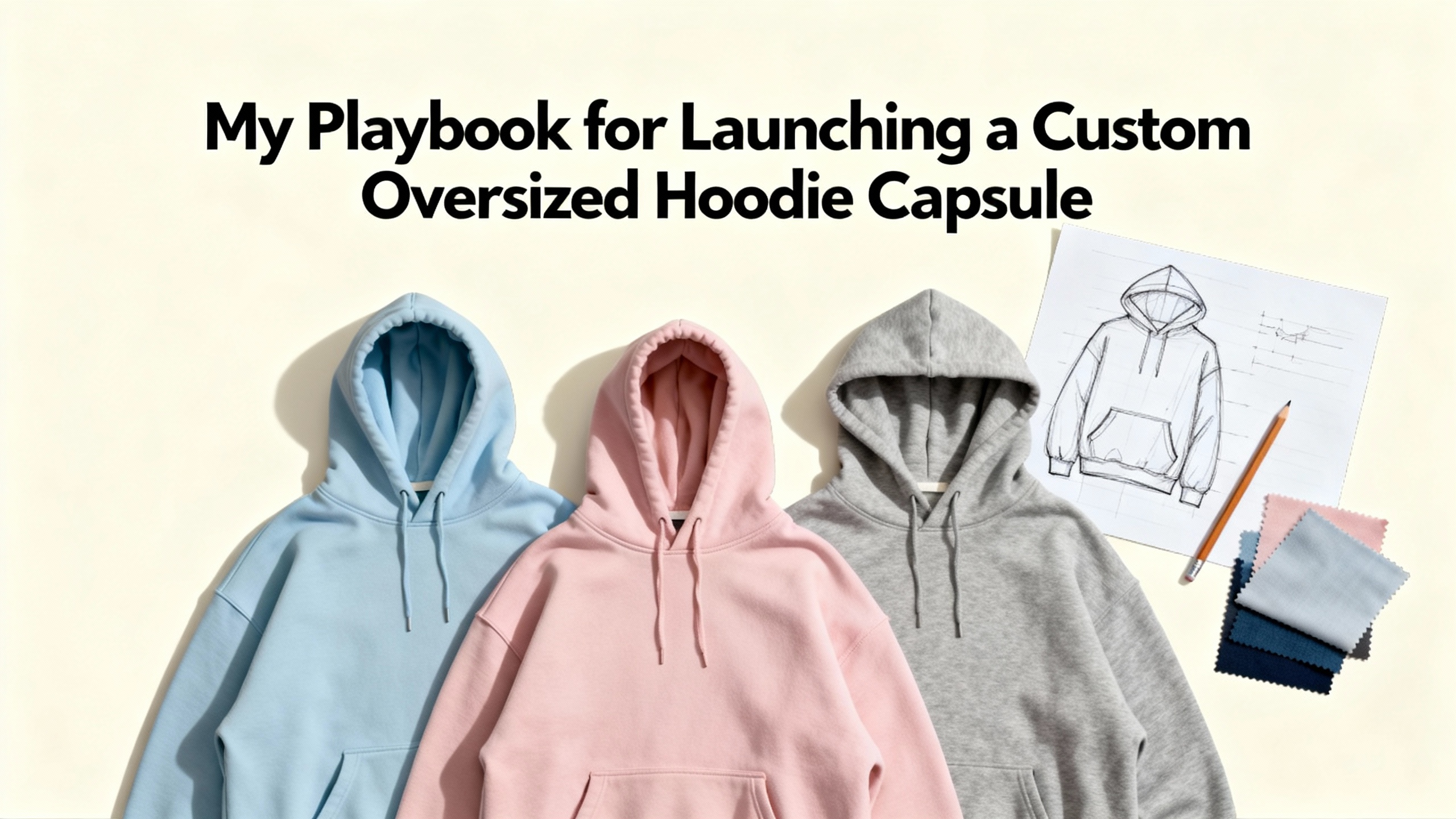
My Playbook for Launching a Custom Oversized Hoodie Capsule
Begin with your core use case. If your audience lives in temperate cities and wears hoodies to commute, choose a midweight cotton‑poly fleece with a cotton face so prints pop without overheating. If you serve gym‑first customers, add a high‑poly, quick‑dry option for rainy runs or warm‑ups. Decide your signature decoration early because it narrows fabric choice. A bold all‑over pattern suggests a polyester base and panel printing; a small crest and back graphic on garment‑dyed fleece points to cotton‑face blends.
Lock the fit next. Confirm shoulder drop, chest width, body and sleeve lengths on at least two sizes and publish your own measurements. Oversized is the vibe; intentional is the promise. Photograph the hoodie styled with slimmer bottoms or structured outerwear so the added volume looks deliberate. Sourcing from vendors noted for no minimums lets you test‑run variants without inventory risk, while calculators from custom printers help you model margins per placement and color count. Add sewn‑in labels if your brand needs a retail finish; several made‑to‑order services support custom labels for that touch.
Close the loop with care content. Tell buyers exactly how to keep the hoodie plush. Mention low‑heat tumble or air‑dry, washing inside out, and avoiding high heat on printed areas. This guidance tracks with ModaKnits, Veetrends, and vendor care notes and raises post‑purchase satisfaction.
Real‑World Fit and Material Tips from Practitioners
PatternReview forums describe shopper experiences with heavyweight 100% cotton sweatshirt fleece that stayed plush with minimal shrink after a wash, with a reminder to prewash and verify fiber content if you truly want pure cotton. QYNDA’s material primer reinforces that cotton‑polyester blends are a practical all‑around choice for durability and shape retention, while organic cotton appeals to sensitive skin and eco‑minded buyers. A retailer positioning “intentionally oversized” hoodies with domestic printing illustrates how comfort‑first branding and perceived speed can differentiate; as with all marketing claims, confirm service levels and satisfaction terms against your expectations before adopting similar copy.
Sourcing and Catalog Structure That Make Operations Easier
A clean catalog makes buying easy and reduces returns. Offer a midweight everyday oversized hoodie in a cotton‑poly fleece with a cotton face as your anchor. Add a heavyweight cotton‑forward fleece for cold weather and a breathable French terry for warm climates or indoor comfort. Include a high‑poly performance hoodie if your audience skews athletic. Use consistent size charts and the same fit photography angles so customers can compare silhouettes. Partners such as Underground Printing and RushOrderTees highlight no minimums and quick shipping, which help you maintain a lean, test‑and‑learn pipeline. A specialized maker like Contrado can power all‑over print capsules with multiple print zones and branded labels when you want a seasonal moment.
Takeaway
Custom oversized hoodies succeed when fit, fabric, weight, and decoration align with a clear use case. Midweight cotton‑poly fleece covers most needs with strong print performance and easy care. A cotton‑face 80/20 elevates print vibrancy for brand colors, while a high‑poly piece enables sublimation and fast drying for active buyers. Oversized silhouettes look intentional when shoulder drop, sleeve length, and hem balance volume with structure, and construction choices such as side‑seam bodies and sturdy rib trims finish the story. Sample, measure, and test‑print before listing; then publish care instructions that preserve softness and shape. This disciplined approach is drawn from vendor documentation and hands‑on mentorship and has high confidence for POD and dropshipping operators.
FAQ
What fabric is the safest all‑around choice for custom oversized hoodies?
A cotton‑poly blend is the dependable default because it balances comfort, print versatility, durability, and easy care. Vendor guides from Printful, Vistaprint, and QYNDA emphasize blends like 50/50, roughly 65/35, or 80/20 depending on whether you prioritize color vibrancy, softness, or longevity. If your graphics rely on saturated color, choose a cotton‑face blend.
How heavy should an oversized hoodie be for year‑round wear?
Midweight knits in the 7.4–8.9 oz/yd² range strike a sweet spot for layering and indoor comfort without overheating. Merchize’s tiers and ModaKnits’ heavyweight notes suggest moving up to roughly 9–12 oz/yd² for cooler seasons and stronger structure, and into the mid‑teens or above if you want a statement silhouette for deep winter.
Which print method makes the most sense for oversized designs?
Pair method to fabric and art. Cotton or cotton‑face blends excel with DTG and DTF for color accuracy and detail; high‑polyester garments enable sublimation and all‑over prints; embroidery belongs on thicker knits to avoid puckering and can raise perceived value. These tradeoffs align with Printful and Vistaprint’s process guidance and with Contrado’s all‑over placement capabilities.
How do I keep fleece soft after washing?
Wash cold, turn the garment inside out, and air‑dry or tumble on low. Avoid high heat, which can flatten the nap and accelerate pilling. These instructions reflect care guidance collected from ModaKnits, Veetrends, and brand material pages. Encourage customers to wash promptly after heavy wear; polyester performance fleece can retain odors if left unwashed.
What fit rules prevent an oversized hoodie from looking sloppy?
Target a small but visible shoulder drop, maintain a mid‑hip body length, and let sleeves cover the wrist without swallowing the hand. Confirm these measurements on body, not just on a table. DHgate’s fit tips and retail pattern practices both stress using measurements over size letters and choosing patterns designed for oversize when possible rather than blindly sizing up.
Are tri‑blends worth it for oversized silhouettes?
Tri‑blends deliver an elevated hand and drape that can make volume look fluid and premium. A cotton‑poly‑rayon mix feels exceptionally soft; elastane blends add recovery around cuffs and hems to help the silhouette hold its line. The tradeoff is cost and, in some cases, higher pilling risk. Printful’s blend notes and general fabric explainers support these observations, and my experience winnows their use to lifestyle capsules where touch and drape drive value.
If you align fabric chemistry, weight, and decoration with a smart fit policy and honest care guidance, you will ship oversized hoodies that look good on camera, feel great on arrival, and keep customers coming back.

References
- https://openlab.citytech.cuny.edu/izhareportfolio/files/2020/05/The-Hoodie-Forecast-Official.pdf
- https://companygear.carhartt.com/custom-sweatshirts
- https://www.contrado.com/custom-hoodie
- https://gianthoodies.com/?srsltid=AfmBOopGz1prEwV6W2yMdDWlf2vKpxFBXXlISX_4wGEiySQEey4ABApW
- https://undergroundshirts.com/custom-sweatshirts
- https://smart.dhgate.com/how-to-choose-a-comfortable-oversized-hoodie-expert-tips-for-fit-fabric-and-style/
- https://www.gelato.com/blog/hoodie-material
- https://www.melengo.com/post/best-hoodie-materials-which-fabrics-should-you-choose
- https://merchize.com/best-hoodie-material/
- https://modaknits.com/what-is-the-best-heavyweight-fabric-for-hoodies/