


How to Create a TikTok Calendar?
Key Takeaways
- A TikTok content calendar is a strategic planning tool that helps you organize and schedule your content in advance.
- Consistency plays a key role in achieving success on fast-growing platforms like TikTok.
- Creating a TikTok content calendar requires defining goals, content pillars, sales dates, posting frequency, and building a content library.
- Essential elements include posting dates, hooks, captions, hashtags, product links, and production timelines.
- Regular review and refinement of your calendar based on performance metrics leads to better engagement and results.
Table of Contents
Consistency plays a key role in achieving success on fast-growing platforms like TikTok. Trends change quickly, while audience attention is limited. Many creators and brands struggle to maintain a steady flow of engaging content.
Understanding how to create a TikTok calendar helps simplify planning and improve organization. This article explains a clear step-by-step process for building a TikTok content calendar. It also highlights essential elements, useful tools, and ways to review and improve your strategy.
What is a TikTok Content Calendar?
A TikTok content calendar is a strategic planning tool that helps you organize and schedule your content in advance. It provides a clear structure for what to post and when to publish. This approach reduces uncertainty and improves consistency in your content efforts.
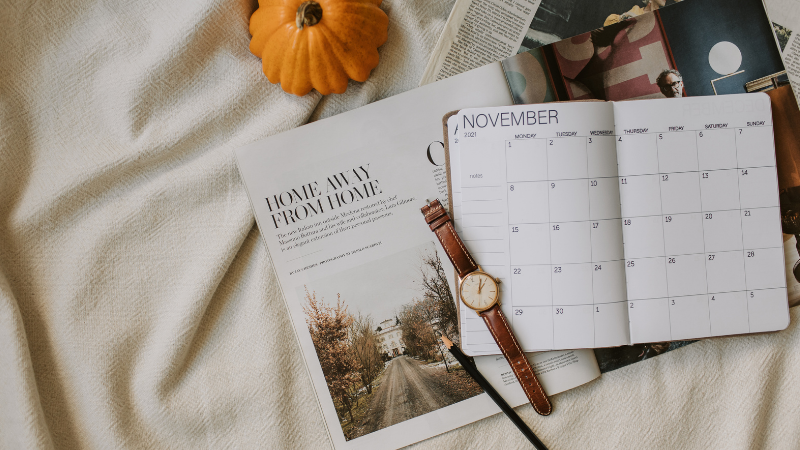
A content calendar typically tracks key details, such as posting dates, content ideas, hooks, captions, hashtags, audio selections, product links, and publishing status. By documenting these elements, you can manage your workflow more efficiently. It also allows you to maintain alignment between your content and broader marketing goals.
This structure becomes especially important for print-on-demand sellers who rely on TikTok to drive traffic and sales. A well-maintained calendar connects your social activity with measurable business outcomes. It helps you plan content that supports product visibility, audience engagement, and conversions over time.
How to Create a TikTok Content Calendar (Step-by-Step)
Creating a TikTok content calendar requires a structured approach that aligns your content with clear goals and audience needs. It helps you move from random posting to a more intentional and results-driven strategy. Here are the steps you must follow to create an effective content calendar.
Step 1: Define Your Goals and Target Audience
You should begin by identifying what you want to achieve through your TikTok content. Your goals may include increasing store traffic, building brand awareness, or promoting specific products. Clear objectives guide your content direction and help you measure performance accurately.
Next, you need to understand your target audience in detail. You should know their interests, behavior patterns, and content preferences. For example, a younger audience may respond better to trend-based videos, while niche audiences may prefer educational or product-focused content.
You should also analyze when your audience is most active on TikTok. Posting at the right time can improve visibility and engagement. Insights from analytics tools can help you determine optimal posting hours.
Step 2: Establish Content Pillars for Your Brand
You should define a set of core content pillars that guide what you post on TikTok. These pillars represent the main themes of your content, such as product showcases, behind-the-scenes insights, and educational tips. A clear structure helps you maintain consistency and avoid repetitive ideas.
For example, a print-on-demand seller may share product demonstrations, packaging processes, and styling ideas. Each pillar serves a specific purpose and appeals to different audience interests. This variety keeps your content engaging and relevant.
You should also balance evergreen content with trend-based videos. Evergreen content remains useful over time, while trend-based content helps you stay visible. A mix of both ensures stability and adaptability in your content strategy.
Step 3: Map Out Key Sales Dates and Trends
You need to plan your content around important dates that affect your business. These may include holidays, promotional periods, and product launches. Early planning allows you to prepare content that aligns with these events.

For instance, you can create themed videos for occasions such as seasonal sales or special seasonal campaigns. This approach helps you capture timely interest and increase engagement. It also ensures that your content supports your business goals.
At the same time, you should leave room for flexibility in your calendar. TikTok trends can emerge quickly and gain traction within days. Keeping space for spontaneous content allows you to respond to these trends effectively.
Step 4: Determine Your Posting Frequency
You should set a posting schedule that you can maintain consistently. A common approach is to post three to five times per week. This frequency helps you stay active without compromising content quality.
Choose a schedule that fits your resources and workflow. Overcommitting may lead to inconsistent posting or reduced quality. A steady and realistic plan is more effective over time.
You should also analyze when your audience is most active. Posting during peak activity periods can improve reach and engagement. Reviewing analytics data helps you refine your timing and maximize results.
Step 5: Create and Organize Your Content Library
You should build a content library to store and manage your ideas and assets. This includes video concepts, drafts, captions, and visual elements. A structured library makes it easier to plan and execute your content.
Batch filming is an effective method to save time and maintain consistency. You can record multiple videos in one session and schedule them across different days. This approach reduces daily workload and improves efficiency.
You should also focus on strong hooks, clear captions, and relevant keywords. These elements improve discoverability and audience retention. Organized content with proper optimization supports better performance on TikTok.
Essential Elements of a TikTok Content Calendar Template
A well-structured TikTok content calendar template should begin with tracking key metadata. You need to record posting dates, scheduled times, and publishing status for each piece of content. This visibility helps you maintain consistency and avoid missed opportunities.
You should also include status indicators such as "draft," "scheduled," and "published." These labels allow you to monitor progress across your content pipeline. As a result, you can manage multiple posts without confusion or overlap.
In addition to scheduling, production and supply chain integration is essential, especially if you promote physical products. You should account for production lead times and delivery schedules. For example, if you use a print-on-demand platform like Inkedjoy, you need to align content timing with product availability.

This alignment ensures that your audience can access best products when they see your content. It also reduces the risk of promoting items that are not ready for fulfillment. Planning ahead improves both customer experience and operational efficiency.
Creative details form another critical component of your calendar. You should document hooks, captions, and audio selections for each post. A strong hook captures attention in the first few seconds, while a clear caption supports your message.
You should also track audio trends and match them with relevant content ideas. For example, using trending sounds can improve reach if applied correctly. Organizing these elements ensures that your content remains engaging and consistent.
Finally, your calendar should include monetization and reach elements. You should add product links from TikTok Shop or your store. This makes it easier to connect content with conversions.
You should also include targeted hashtags to improve discoverability. Selecting relevant hashtags increases the chances of reaching the right audience. By combining these elements, your content calendar becomes a complete planning and execution tool.
Best Tools for Planning Your TikTok Content
Selecting the right tools can improve how you manage and execute your TikTok content strategy. You should choose tools that match your workflow and allow you to maintain consistency. Different tools serve different purposes, so combining them can be effective.
Spreadsheets such as Google Sheets or Airtable are useful for manual organization. You can create columns for dates, content ideas, captions, and performance metrics. These tools also support collaboration if you work with a team.
For example, you can assign tasks, track progress, and update content status in real time. This makes spreadsheets a practical option for structured planning. They are especially useful if you prefer a simple and flexible system.
Dedicated scheduling tools offer more advanced features. These platforms allow you to automate posting and manage multiple social media accounts. You can schedule content in advance and reduce manual effort.
Many scheduling tools also provide performance insights. This helps you evaluate how your content performs over time. As a result, you can make informed decisions based on data rather than assumptions.
You should also use native TikTok tools to enhance your planning process. TikTok's Creative Center provides insights into trending sounds, hashtags, and content formats. This information helps you stay relevant and adapt to platform trends.
Built-in analytics tools allow you to track performance metrics such as views and engagement. These insights help you understand what works and what needs improvement. Combining native tools with external platforms creates a more effective workflow.
Review and Refine Your Strategy
Reviewing your content performance is essential for long-term improvement. You should regularly analyze key metrics such as views, engagement rates, and completion rates. These indicators help you understand how your audience responds to your content.

For example, a high completion rate suggests that your content holds attention effectively. On the other hand, low engagement may indicate that your message needs adjustment. Tracking these metrics allows you to identify strengths and weaknesses.
You should also compare performance across different content types. This helps you determine which formats and topics generate the best results. Over time, patterns will emerge that guide your future planning.
Once you gather data, you need to adjust your strategy accordingly. You should refine your content pillars based on what performs well. This ensures that your efforts remain focused and effective.
You should also revisit your posting schedule. If certain times generate better engagement, you can shift your schedule to match audience activity. Small adjustments can lead to noticeable improvements.
Continuous refinement is key to maintaining growth on TikTok. You should treat your content calendar as a dynamic tool rather than a fixed plan. By reviewing and adapting regularly, you can build a strategy that evolves with your audience and platform trends.
Conclusion
A TikTok calendar helps creators stay organized and maintain a steady posting routine. It supports better planning and reduces last-minute effort. A clear schedule allows creators to align content with trends and audience interests. It also improves consistency and overall content quality.
Regular review of performance helps identify what works and what needs adjustment. Small improvements over time can lead to stronger engagement. By applying the steps discussed in this, creators can build a structured approach that supports long-term growth and effective content management.
FAQ
How often should I post on TikTok?
Posting frequency depends on your capacity and content quality. Many creators post several times a week to maintain visibility.
What is the best time to post for engagement?
The best time varies based on your audience. Reviewing analytics can help identify when your followers are most active.
Can I schedule TikTok posts in advance?
Yes, TikTok allows post scheduling through its tools. Third-party platforms also provide scheduling features for better planning.
Written By Bianca
Bianca is a content creator focused on sustainable e-commerce growth. She goes beyond quick hacks, teaching Print on Demand sellers how to build lasting brands through strong SEO foundations and compelling storytelling. She turns searchers into loyal customers through the power of words.