

How to Grow Your T-Shirt Business: 8 Effective Strategies

How to Grow Your T-Shirt Business: 8 Effective Strategies

May 29, 2026 by Bianca POD e-Commerce 101

Key Takeaways

  • The custom t-shirt market is projected to reach $9.82 billion by 2030.
  • Multichannel selling, limited editions, and personalization are proven strategies to scale a t-shirt business.
  • Print-on-demand eliminates inventory risk and enables rapid testing of new designs.
  • Sustainable options, influencer collaborations, and UGC drive higher engagement and loyalty.
  • Inkedjoy provides seamless fulfillment, customization tools, and eco-friendly products to support growth.

The custom t-shirt market is booming, projected to reach $9.82 billion by 2030. While competition is fierce, print-on-demand (POD) eliminates traditional risks with low startup costs and zero inventory. Ready to stand out and scale? Here are 8 effective strategies to grow your t-shirt business and boost your sales. Read on to learn more!

8 Effective Strategies

1. Sell Across Multiple Sales Channels

Relying on a single platform to sell t-shirts online is a risky strategy. If that platform changes its algorithm or updates its policies, your revenue could vanish overnight. Embracing multichannel retailing is the key to diversifying your income streams and capturing customers wherever they prefer to shop, whether that is Etsy, Amazon, Shopify, TikTok Shop, or Instagram Shopping.

how to grow your t-shirt business

To maximize your reach without burning out, adopt the golden trio approach:

  • Marketplaces: Platforms like Amazon and Etsy offer built-in, high-intent traffic.
  • Standalone Stores: A dedicated Shopify or WooCommerce site gives you full control over your branding and customer data.
  • Social Commerce: TikTok Shop and Instagram Shopping let you convert scrolling users into instant buyers.

The POD Advantage: Expanding to multiple platforms sounds exhausting, but print-on-demand eliminates the heavy lifting. Production partners like Inkedjoy offer automated listing and order synchronization. When a customer buys a shirt on any of your channels, the order is automatically sent, printed, and shipped without you lifting a finger.

As you grow your online t-shirt store, rely on data-driven pruning. Regularly track your ROI per channel. If a platform demands too much ad spend or monthly fees without delivering conversions, cut it and reallocate those resources.

Actionable Tip: Don't try to conquer every platform at once. Start with 2–3 core channels (e.g., Shopify + Etsy). Once you stabilize your workflow and analyze your initial performance data, strategically expand to social commerce.

2. Create Limited-Edition and Exclusive Designs

One of the most powerful t-shirt promotion ideas is leveraging scarcity psychology. When products are always available, shoppers tend to procrastinate. However, launching limited edition t-shirts creates a strong sense of urgency and FOMO (fear of missing out). If customers know a design will disappear in 48 hours or after 50 sales, they are much more likely to hit the "buy now" button immediately.

To elevate this strategy, consider a collaboration approach. Partnering with local independent artists or micro-influencers to co-create exclusive t-shirt designs allows you to tap into their loyal audiences. This acts as a powerful word-of-mouth engine; fans love sharing unique, hard-to-get apparel on social media, generating free organic exposure and social proof for your brand.

The POD Advantage: In traditional retail, testing niche or limited-edition runs is a financial gamble. With print-on-demand partners like Inkedjoy, you face zero inventory risk. You can launch a bold, experimental design to see how the market reacts. If it sells out, you win; if it underperforms, you can pull it from your store instantly without losing a dime on unsold stock.

Actionable Tip: Build a consistent launch calendar by scheduling seasonal drops around holidays, pop-culture events, or changing seasons. Maximize the impact of these limited releases by promoting them heavily 3–5 days in advance using email teasers and countdown stickers on your social media stories.

3. Offer Sustainable and Ethical Options

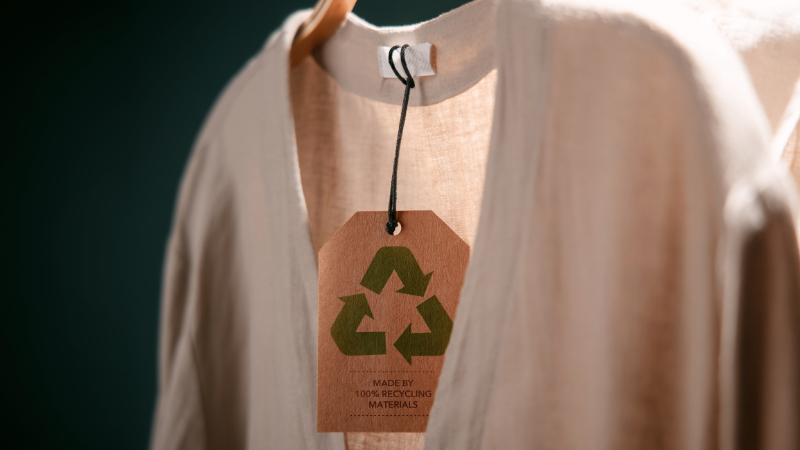
Modern consumers care deeply about how their clothes are made. Market data shows that 59% of US fashion consumers want eco-friendly apparel, and 15% are actively willing to pay a premium for it.
t-shirt business strategies

This shift toward ethical fashion is particularly pronounced among Millennial and Gen Z shoppers, who prioritize environmental responsibility when choosing where to spend their money. Building a sustainable t-shirt business is no longer just a niche strategy—it is a smart way to future-proof your brand.

However, building consumer trust requires absolute transparency. To avoid the trap of greenwashing, authenticity matters. Ensure you back up your sustainability claims by highlighting verified certifications, such as garments made from certified organic cotton, recycled polyester, or fair-trade materials.

The POD Advantage: Sourcing ethical garments independently usually requires high minimum order quantities from specialized manufacturers. Print-on-demand services like Inkedjoy solve this by giving you instant access to eco-friendly product catalogs. You can introduce premium, sustainable options to your store without overhauling your entire supply chain or investing upfront capital.

Actionable Tip: Don't let your green efforts go unnoticed. Explicitly highlight the eco-friendly benefits in your product descriptions, and update your shipping notifications or packaging inserts to remind customers that their eco-friendly t-shirts were printed on demand to reduce textile waste.

4. Offer Personalization and Customization

In a crowded marketplace, standard designs can only take you so far. Incorporating personalization into your custom t-shirt business is a highly effective way to stand out. Consumers are increasingly drawn to tailored products, and they are willing to pay a premium for them. By offering shoppers a hand in the creation process, you instantly elevate the perceived value of your apparel and build a deeper emotional connection with your brand.

True t-shirt customization goes beyond simple color adjustments. To capture this growing demand, consider offering a variety of personalized options:

  • Text Additions: Allow customers to add names, memorable dates, or custom phrases.
  • Image Uploads: Let buyers feature their own photos, pet portraits, or unique artwork.
  • Design Variations: Provide a selection of graphics, fonts, and placement options.
  • Style and Color Options: Ensure a wide range of garment cuts, sizes, and trendy colorways.

To build a truly memorable brand, personalization should extend beyond the shirt itself. The unboxing experience matters. Adding custom packing slips, branded inserts, or thank-you notes creates a premium feel that encourages repeat purchases.

The POD Advantage: Managing bespoke orders used to be a logistical nightmare. Today, print-on-demand fulfillment partners like Inkedjoy solve this by providing built-in personalization tools that seamlessly integrate with your storefront. Furthermore, they offer branded fulfillment options, allowing you to ship custom orders with your own logos and packaging materials without inventory.

Actionable Tip: Install a user-friendly customization widget on your product pages so customers can easily preview their creations. To inspire them, showcase high-quality product photos featuring examples of completed personalized t-shirts in real-world scenarios.

5. Expand Your Product Line Beyond T-Shirts

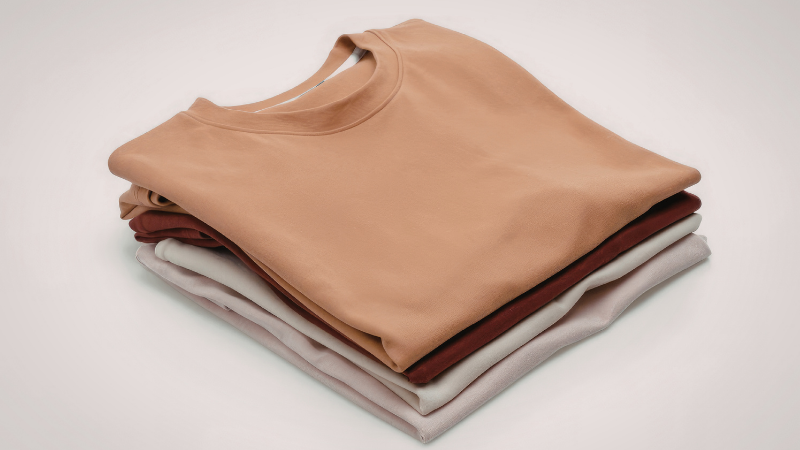
While standard tees are the foundation of your brand, relying solely on them can limit your t-shirt business growth. To scale effectively, you should expand your t-shirt product line into adjacent apparel and accessories. Introducing hoodies, sweatshirts, and tank tops ensures your store remains relevant across all seasons, while items like tote bags, hats, phone cases, and socks offer excellent low-cost entry points for new customers.
t-shirt business strategies

Expanding your catalog opens the door to a highly profitable apparel bundles strategy. Instead of selling a single item, you can pair a graphic tee with a matching hoodie or a coordinating tote bag. This naturally increases your Average Order Value (AOV) and maximizes the revenue generated from each visitor to your store.

The POD Advantage: In a traditional manufacturing model, expanding into five new product categories requires thousands of dollars in upfront inventory and massive storage space. Print-on-demand eliminates this barrier completely. With partners like Inkedjoy, you can instantly apply your existing, top-performing designs to an extensive catalog of diverse products without risking a single dollar on unsold stock.

Actionable Tip: Implement a "complete the look" or "frequently bought together" upsell widget on your product pages and at checkout. Suggesting a complementary accessory or a matching sweatshirt right before payment is a frictionless way to boost your daily sales.

6. Collaborate with Influencers and Brand Ambassadors

Social proof is everything in online fashion. Utilizing influencer marketing t-shirts can dramatically accelerate your growth, as data shows that 86% of consumers make influencer-driven purchases annually.

Furthermore, businesses generate an average return of $6.50 for every single dollar spent on influencer campaigns. When it comes to social media marketing for t-shirts, visual platforms like Instagram and TikTok are the absolute gold standards for showcasing how your apparel looks in real-world settings.

For growing businesses, you don't need a massive budget to hire celebrities. Instead, focus your energy on nano-influencers (those with 1,000 to 10,000 followers). Nano-influencers typically boast the highest engagement rates in the industry—often between 4% and 8%—because their audiences view them as relatable peers rather than commercial billboards.

Beyond one-off posts, aim to build a network of long-term t-shirt brand ambassadors. Ambassadors are loyal customers or creators who genuinely love your brand and advocate for it consistently over time. This continuous exposure builds deep trust with their audience, leading to higher conversion rates than a single sponsored post ever could.

The POD Advantage: Because print-on-demand eliminates upfront inventory costs, your marketing budget is freed up. You can easily order sample garments at base production cost via Inkedjoy and ship them directly to creators worldwide, making physical product seeding highly cost-effective.

Actionable Tip: Reach out to niche creators who align perfectly with your t-shirt themes. Offer to send them free samples, and instead of paying flat fees, negotiate an affiliate structure where you provide them with a unique discount code and a percentage-based commission on every sale they generate.

7. Leverage User-Generated Content (UGC)

When it comes to buying apparel online, modern shoppers trust other people far more than they trust corporate advertising. Peer recommendations outperform traditional ads every time, and building social proof is absolutely vital—especially considering that 94% of consumers hesitate to buy after reading negative reviews.

how to grow your t-shirt business

Actively collecting and showcasing user-generated content for t-shirts bridges this trust gap, proving to prospective buyers that your garments look just as good in reality as they do in your product mockups.

To build a powerful UGC engine, implement these core tactics:

  • Create a dedicated, memorable branded hashtag and encourage customers to use it when posting their outfits on social media.
  • Regularly repost high-quality customer photos on your brand's official Instagram and TikTok feeds.
  • Feature verified t-shirt customer reviews with photos and videos prominently on your product pages.

Beyond marketing, UGC acts as an invaluable feedback loop. Analyzing the photos and text reviews your customers post reveals precise insights regarding sizing, print quality, fabric comfort, and overall satisfaction, allowing you to fine-tune your designs and store offerings.

Actionable Tip: Boost your review submission rates by creating an automated post-purchase email sequence. Offer a small incentive, such as a 10% or 15% discount code on their next purchase, in exchange for a verified photo or video review of their new t-shirt.

8. Stay on Top of Industry Trends

In the fast-paced apparel world, timing is everything. Staying ahead of t-shirt industry trends 2026 requires a high level of trend agility. Pop culture phenomena, social movements, and viral internet moments create massive, sudden demands for specific trending t-shirt designs.

If you can tap into these cultural shifts quickly, you can capture a wave of highly motivated buyers looking to express themselves in the moment.

However, relying solely on internet memes can make your revenue unpredictable. The most successful brands adopt a balanced catalog approach:

  • Evergreen Collection: Maintain a stable core of timeless, year-round designs that bring in consistent daily sales.
  • Trend-Based Drops: Inject periodic, time-sensitive releases to capitalize on immediate market hype.

Securing a first-mover advantage is critical when capitalizng on t-shirt market trends. The faster you can get a design live, the more traffic you will capture before the market becomes saturated.

The POD Advantage: Traditional manufacturing cannot keep pace with viral cycles, as by the time screen-printed inventory arrives, the trend has often passed. Print-on-demand eliminates this bottleneck. Partners like Inkedjoy allow you to design and launch a trending shirt within hours and remove it the moment the hype dies down, ensuring zero dead stock risk.

Actionable Tip: Dedicate 15 minutes each morning to monitoring Google Trends, exploding TikTok hashtags, and niche Reddit communities. When you spot a rising subculture or a viral catchphrase that aligns with your brand identity, move instantly to design, publish, and market it.

Why Print-on-Demand Is the Best Model for Growing Your T-Shirt Business

Executing growth strategies is impossible if you are constantly bogged down by operational logistics. This is exactly why print-on-demand (POD) is the ultimate foundation for sustainable POD t-shirt growth. It systematically eliminates the traditional barriers that cause most apparel startups to fail, allowing you to start a t-shirt business with no inventory and zero upfront manufacturing costs.

The POD model transforms your operations by handling the heavy lifting across five critical areas:

  • Zero Inventory Risk: You only pay for a garment after a customer buys it, keeping your cash flow positive.
  • No Logistics Headaches: Warehousing, picking, packing, and shipping are entirely outsourced.
  • Automatic Scaling: When a design goes viral, the infrastructure handles the sudden spike in order volume seamlessly.
  • Risk-Free Testing: You can launch experimental designs or expand your catalog without financial exposure.
  • Global Reach: Access to international fulfillment networks means you can sell to customers worldwide from day one.

Ultimately, your choice of fulfillment partner determines how fast you can scale. Print on demand platforms like Inkedjoy provide the exact backend infrastructure needed to power all eight growth strategies discussed above—from automated multichannel syncing to offering eco-friendly products and seamless customization tools.

t-shirt business strategies

Conclusion

Scaling a t-shirt brand requires a blend of creativity, adaptability, and the right operational foundation. By implementing these eight strategies—from embracing multichannel retailing to leveraging user-generated content and industry trends—you can steadily build a resilient business.

Remember, sustainable growth is a continuous journey of testing, analyzing data, and optimizing your approach based on what your audience loves.

Don't let analysis paralysis hold you back. Pick just one strategy from this list to implement this week, and let a reliable partner like Inkedjoy handle the heavy lifting while you focus on scaling your brand to the next level!


FAQ

Is a t-shirt business profitable?

Yes. By using print-on-demand to eliminate inventory risks and focusing on high-margin niches, custom t-shirt stores can achieve profit margins between 30% and 50%.

Which t-shirts sell the most?

Black, white, and navy crewnecks are the top sellers. Design-wise, shirts featuring pop culture references, minimalist typography, and passionate niche hobbies see the highest demand.

How do I grow my t-shirt business?

Expand into multiple sales channels (like Etsy and Shopify), offer product customization, introduce adjacent items like hoodies, and use print-on-demand to rapidly test new designs risk-free.

B

Written By Bianca

Bianca is a content creator focused on sustainable e-commerce growth. She goes beyond quick hacks, teaching Print on Demand sellers how to build lasting brands through strong SEO foundations and compelling storytelling. She turns searchers into loyal customers through the power of words.


Like the article

0
How to Grow Your T-Shirt Business: 8 Effective Strategies

How to Grow Your T-Shirt Business: 8 Effective Strategies

Key Takeaways

  • The custom t-shirt market is projected to reach $9.82 billion by 2030.
  • Multichannel selling, limited editions, and personalization are proven strategies to scale a t-shirt business.
  • Print-on-demand eliminates inventory risk and enables rapid testing of new designs.
  • Sustainable options, influencer collaborations, and UGC drive higher engagement and loyalty.
  • Inkedjoy provides seamless fulfillment, customization tools, and eco-friendly products to support growth.

The custom t-shirt market is booming, projected to reach $9.82 billion by 2030. While competition is fierce, print-on-demand (POD) eliminates traditional risks with low startup costs and zero inventory. Ready to stand out and scale? Here are 8 effective strategies to grow your t-shirt business and boost your sales. Read on to learn more!

8 Effective Strategies

1. Sell Across Multiple Sales Channels

Relying on a single platform to sell t-shirts online is a risky strategy. If that platform changes its algorithm or updates its policies, your revenue could vanish overnight. Embracing multichannel retailing is the key to diversifying your income streams and capturing customers wherever they prefer to shop, whether that is Etsy, Amazon, Shopify, TikTok Shop, or Instagram Shopping.

how to grow your t-shirt business

To maximize your reach without burning out, adopt the golden trio approach:

  • Marketplaces: Platforms like Amazon and Etsy offer built-in, high-intent traffic.
  • Standalone Stores: A dedicated Shopify or WooCommerce site gives you full control over your branding and customer data.
  • Social Commerce: TikTok Shop and Instagram Shopping let you convert scrolling users into instant buyers.

The POD Advantage: Expanding to multiple platforms sounds exhausting, but print-on-demand eliminates the heavy lifting. Production partners like Inkedjoy offer automated listing and order synchronization. When a customer buys a shirt on any of your channels, the order is automatically sent, printed, and shipped without you lifting a finger.

As you grow your online t-shirt store, rely on data-driven pruning. Regularly track your ROI per channel. If a platform demands too much ad spend or monthly fees without delivering conversions, cut it and reallocate those resources.

Actionable Tip: Don't try to conquer every platform at once. Start with 2–3 core channels (e.g., Shopify + Etsy). Once you stabilize your workflow and analyze your initial performance data, strategically expand to social commerce.

2. Create Limited-Edition and Exclusive Designs

One of the most powerful t-shirt promotion ideas is leveraging scarcity psychology. When products are always available, shoppers tend to procrastinate. However, launching limited edition t-shirts creates a strong sense of urgency and FOMO (fear of missing out). If customers know a design will disappear in 48 hours or after 50 sales, they are much more likely to hit the "buy now" button immediately.

To elevate this strategy, consider a collaboration approach. Partnering with local independent artists or micro-influencers to co-create exclusive t-shirt designs allows you to tap into their loyal audiences. This acts as a powerful word-of-mouth engine; fans love sharing unique, hard-to-get apparel on social media, generating free organic exposure and social proof for your brand.

The POD Advantage: In traditional retail, testing niche or limited-edition runs is a financial gamble. With print-on-demand partners like Inkedjoy, you face zero inventory risk. You can launch a bold, experimental design to see how the market reacts. If it sells out, you win; if it underperforms, you can pull it from your store instantly without losing a dime on unsold stock.

Actionable Tip: Build a consistent launch calendar by scheduling seasonal drops around holidays, pop-culture events, or changing seasons. Maximize the impact of these limited releases by promoting them heavily 3–5 days in advance using email teasers and countdown stickers on your social media stories.

3. Offer Sustainable and Ethical Options

Modern consumers care deeply about how their clothes are made. Market data shows that 59% of US fashion consumers want eco-friendly apparel, and 15% are actively willing to pay a premium for it.

t-shirt business strategies

This shift toward ethical fashion is particularly pronounced among Millennial and Gen Z shoppers, who prioritize environmental responsibility when choosing where to spend their money. Building a sustainable t-shirt business is no longer just a niche strategy—it is a smart way to future-proof your brand.

However, building consumer trust requires absolute transparency. To avoid the trap of greenwashing, authenticity matters. Ensure you back up your sustainability claims by highlighting verified certifications, such as garments made from certified organic cotton, recycled polyester, or fair-trade materials.

The POD Advantage: Sourcing ethical garments independently usually requires high minimum order quantities from specialized manufacturers. Print-on-demand services like Inkedjoy solve this by giving you instant access to eco-friendly product catalogs. You can introduce premium, sustainable options to your store without overhauling your entire supply chain or investing upfront capital.

Actionable Tip: Don't let your green efforts go unnoticed. Explicitly highlight the eco-friendly benefits in your product descriptions, and update your shipping notifications or packaging inserts to remind customers that their eco-friendly t-shirts were printed on demand to reduce textile waste.

4. Offer Personalization and Customization

In a crowded marketplace, standard designs can only take you so far. Incorporating personalization into your custom t-shirt business is a highly effective way to stand out. Consumers are increasingly drawn to tailored products, and they are willing to pay a premium for them. By offering shoppers a hand in the creation process, you instantly elevate the perceived value of your apparel and build a deeper emotional connection with your brand.

True t-shirt customization goes beyond simple color adjustments. To capture this growing demand, consider offering a variety of personalized options:

  • Text Additions: Allow customers to add names, memorable dates, or custom phrases.
  • Image Uploads: Let buyers feature their own photos, pet portraits, or unique artwork.
  • Design Variations: Provide a selection of graphics, fonts, and placement options.
  • Style and Color Options: Ensure a wide range of garment cuts, sizes, and trendy colorways.

To build a truly memorable brand, personalization should extend beyond the shirt itself. The unboxing experience matters. Adding custom packing slips, branded inserts, or thank-you notes creates a premium feel that encourages repeat purchases.

The POD Advantage: Managing bespoke orders used to be a logistical nightmare. Today, print-on-demand fulfillment partners like Inkedjoy solve this by providing built-in personalization tools that seamlessly integrate with your storefront. Furthermore, they offer branded fulfillment options, allowing you to ship custom orders with your own logos and packaging materials without inventory.

Actionable Tip: Install a user-friendly customization widget on your product pages so customers can easily preview their creations. To inspire them, showcase high-quality product photos featuring examples of completed personalized t-shirts in real-world scenarios.

5. Expand Your Product Line Beyond T-Shirts

While standard tees are the foundation of your brand, relying solely on them can limit your t-shirt business growth. To scale effectively, you should expand your t-shirt product line into adjacent apparel and accessories. Introducing hoodies, sweatshirts, and tank tops ensures your store remains relevant across all seasons, while items like tote bags, hats, phone cases, and socks offer excellent low-cost entry points for new customers.

t-shirt business strategies

Expanding your catalog opens the door to a highly profitable apparel bundles strategy. Instead of selling a single item, you can pair a graphic tee with a matching hoodie or a coordinating tote bag. This naturally increases your Average Order Value (AOV) and maximizes the revenue generated from each visitor to your store.

The POD Advantage: In a traditional manufacturing model, expanding into five new product categories requires thousands of dollars in upfront inventory and massive storage space. Print-on-demand eliminates this barrier completely. With partners like Inkedjoy, you can instantly apply your existing, top-performing designs to an extensive catalog of diverse products without risking a single dollar on unsold stock.

Actionable Tip: Implement a "complete the look" or "frequently bought together" upsell widget on your product pages and at checkout. Suggesting a complementary accessory or a matching sweatshirt right before payment is a frictionless way to boost your daily sales.

6. Collaborate with Influencers and Brand Ambassadors

Social proof is everything in online fashion. Utilizing influencer marketing t-shirts can dramatically accelerate your growth, as data shows that 86% of consumers make influencer-driven purchases annually.

Furthermore, businesses generate an average return of $6.50 for every single dollar spent on influencer campaigns. When it comes to social media marketing for t-shirts, visual platforms like Instagram and TikTok are the absolute gold standards for showcasing how your apparel looks in real-world settings.

For growing businesses, you don't need a massive budget to hire celebrities. Instead, focus your energy on nano-influencers (those with 1,000 to 10,000 followers). Nano-influencers typically boast the highest engagement rates in the industry—often between 4% and 8%—because their audiences view them as relatable peers rather than commercial billboards.

Beyond one-off posts, aim to build a network of long-term t-shirt brand ambassadors. Ambassadors are loyal customers or creators who genuinely love your brand and advocate for it consistently over time. This continuous exposure builds deep trust with their audience, leading to higher conversion rates than a single sponsored post ever could.

The POD Advantage: Because print-on-demand eliminates upfront inventory costs, your marketing budget is freed up. You can easily order sample garments at base production cost via Inkedjoy and ship them directly to creators worldwide, making physical product seeding highly cost-effective.

Actionable Tip: Reach out to niche creators who align perfectly with your t-shirt themes. Offer to send them free samples, and instead of paying flat fees, negotiate an affiliate structure where you provide them with a unique discount code and a percentage-based commission on every sale they generate.

7. Leverage User-Generated Content (UGC)

When it comes to buying apparel online, modern shoppers trust other people far more than they trust corporate advertising. Peer recommendations outperform traditional ads every time, and building social proof is absolutely vital—especially considering that 94% of consumers hesitate to buy after reading negative reviews.

how to grow your t-shirt business

Actively collecting and showcasing user-generated content for t-shirts bridges this trust gap, proving to prospective buyers that your garments look just as good in reality as they do in your product mockups.

To build a powerful UGC engine, implement these core tactics:

  • Create a dedicated, memorable branded hashtag and encourage customers to use it when posting their outfits on social media.
  • Regularly repost high-quality customer photos on your brand's official Instagram and TikTok feeds.
  • Feature verified t-shirt customer reviews with photos and videos prominently on your product pages.

Beyond marketing, UGC acts as an invaluable feedback loop. Analyzing the photos and text reviews your customers post reveals precise insights regarding sizing, print quality, fabric comfort, and overall satisfaction, allowing you to fine-tune your designs and store offerings.

Actionable Tip: Boost your review submission rates by creating an automated post-purchase email sequence. Offer a small incentive, such as a 10% or 15% discount code on their next purchase, in exchange for a verified photo or video review of their new t-shirt.

8. Stay on Top of Industry Trends

In the fast-paced apparel world, timing is everything. Staying ahead of t-shirt industry trends 2026 requires a high level of trend agility. Pop culture phenomena, social movements, and viral internet moments create massive, sudden demands for specific trending t-shirt designs.

If you can tap into these cultural shifts quickly, you can capture a wave of highly motivated buyers looking to express themselves in the moment.

However, relying solely on internet memes can make your revenue unpredictable. The most successful brands adopt a balanced catalog approach:

  • Evergreen Collection: Maintain a stable core of timeless, year-round designs that bring in consistent daily sales.
  • Trend-Based Drops: Inject periodic, time-sensitive releases to capitalize on immediate market hype.

Securing a first-mover advantage is critical when capitalizng on t-shirt market trends. The faster you can get a design live, the more traffic you will capture before the market becomes saturated.

The POD Advantage: Traditional manufacturing cannot keep pace with viral cycles, as by the time screen-printed inventory arrives, the trend has often passed. Print-on-demand eliminates this bottleneck. Partners like Inkedjoy allow you to design and launch a trending shirt within hours and remove it the moment the hype dies down, ensuring zero dead stock risk.

Actionable Tip: Dedicate 15 minutes each morning to monitoring Google Trends, exploding TikTok hashtags, and niche Reddit communities. When you spot a rising subculture or a viral catchphrase that aligns with your brand identity, move instantly to design, publish, and market it.

Why Print-on-Demand Is the Best Model for Growing Your T-Shirt Business

Executing growth strategies is impossible if you are constantly bogged down by operational logistics. This is exactly why print-on-demand (POD) is the ultimate foundation for sustainable POD t-shirt growth. It systematically eliminates the traditional barriers that cause most apparel startups to fail, allowing you to start a t-shirt business with no inventory and zero upfront manufacturing costs.

The POD model transforms your operations by handling the heavy lifting across five critical areas:

  • Zero Inventory Risk: You only pay for a garment after a customer buys it, keeping your cash flow positive.
  • No Logistics Headaches: Warehousing, picking, packing, and shipping are entirely outsourced.
  • Automatic Scaling: When a design goes viral, the infrastructure handles the sudden spike in order volume seamlessly.
  • Risk-Free Testing: You can launch experimental designs or expand your catalog without financial exposure.
  • Global Reach: Access to international fulfillment networks means you can sell to customers worldwide from day one.

Ultimately, your choice of fulfillment partner determines how fast you can scale. Print on demand platforms like Inkedjoy provide the exact backend infrastructure needed to power all eight growth strategies discussed above—from automated multichannel syncing to offering eco-friendly products and seamless customization tools.

t-shirt business strategies

Conclusion

Scaling a t-shirt brand requires a blend of creativity, adaptability, and the right operational foundation. By implementing these eight strategies—from embracing multichannel retailing to leveraging user-generated content and industry trends—you can steadily build a resilient business.

Remember, sustainable growth is a continuous journey of testing, analyzing data, and optimizing your approach based on what your audience loves.

Don't let analysis paralysis hold you back. Pick just one strategy from this list to implement this week, and let a reliable partner like Inkedjoy handle the heavy lifting while you focus on scaling your brand to the next level!


FAQ

Is a t-shirt business profitable?

Yes. By using print-on-demand to eliminate inventory risks and focusing on high-margin niches, custom t-shirt stores can achieve profit margins between 30% and 50%.

Which t-shirts sell the most?

Black, white, and navy crewnecks are the top sellers. Design-wise, shirts featuring pop culture references, minimalist typography, and passionate niche hobbies see the highest demand.

How do I grow my t-shirt business?

Expand into multiple sales channels (like Etsy and Shopify), offer product customization, introduce adjacent items like hoodies, and use print-on-demand to rapidly test new designs risk-free.

B

Written By Bianca

Bianca is a content creator focused on sustainable e-commerce growth. She goes beyond quick hacks, teaching Print on Demand sellers how to build lasting brands through strong SEO foundations and compelling storytelling. She turns searchers into loyal customers through the power of words.

Like the article

0