
How to Make Your Own Merch: A Step-by-Step Guide for Selling Online
Key Takeaways
- How to make merch starts with defining your audience, product type, and goals so your line fits your brand and budget.
- Choose practical, high-use items people will actually wear or use, such as shirts, hats, mugs, or tote bags.
- Create clean, simple designs with high-quality files to ensure professional-looking prints and consistent branding.
- Compare production models like print-on-demand, bulk ordering, and local printers based on cost, quality, and inventory risk.
- Test pricing, shipping, and samples before launching to avoid common mistakes and improve customer satisfaction.
Table of Contents
- Start With the Goal: Who Your Merch is For and What It Needs to Achieve
- Choose the Right Products by Budget, Audience Demand, and Brand Fit
- Compare Production Options: Print-on-Demand, Bulk Orders, or Dropshipping
- Build Designs That Look Good on Real Products and Stay Profitable
- Plan Pricing, Packaging, and Fulfillment Before You Order
- Avoid Common Merch Mistakes for Your Next Launch
Start With the Goal: Who Your Merch is For and What It Needs to Achieve
If you want to learn how to make merch that actually works, start with the job the product needs to do. Merch for audience growth is different from merch for profit, retention, events, or creator identity. The same design can feel strong on social and fail as a product if the buyer has no reason to wear, use, or gift it.
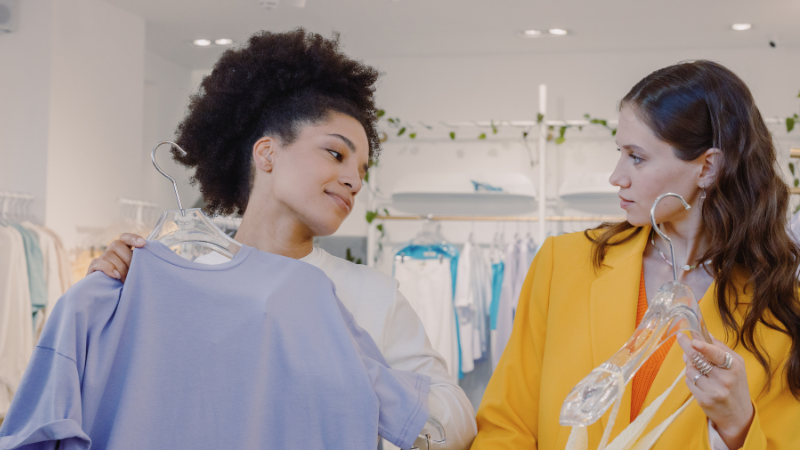
A simple decision filter helps. Define one primary goal first: revenue, visibility, community belonging, or customer loyalty. Then match the product to buyer behavior. A low risk, easy size item like a tote or mug often fits event giveaways or first tests.
Apparel makes more sense when your audience already signals identity around your niche. If you are building a store with limited cash flow, print on demand suppliers like Inkedjoy usually reduces inventory risk.

| Goal | Better merch choice | Watch out for |
|---|---|---|
| Brand visibility | Simple wearable basics | Overdesigned graphics |
| Profit margin | Products with room for markup | Heavy shipping costs |
| Community building | Insider references and limited drops | Designs outsiders do not understand |
The common mistake is choosing products before confirming audience intent. Before you sketch anything, ask: who will buy this, why now, and would they still want it without my logo? If that answer is weak, refine the concept first.
Choose the Right Products by Budget, Audience Demand, and Brand Fit
If you are figuring out how to make merch, start with product selection before design. A weak product choice can sink margins even if the artwork is strong. The right item is the one your audience will actually use, your budget can support, and your brand can repeat without operational strain.
For most first launches, apparel is the safest test because demand is broad and sizing data is easy to benchmark. Still, shirts are not automatically the right fit. If your audience attends events, stickers, totes, and posters often work better because the price point is lower and sizing is not a barrier.
| Product | Good for | Watch outs |
|---|---|---|
| T-shirts | Broad appeal, repeatable drops | Sizing returns, print quality variance |
| Hoodies | Higher average order value | Higher cost, slower first purchase |
| Stickers or totes | Low risk entry product | Lower revenue per order |
A practical rule: launch one hero product, one lower cost add on, and skip complex catalogs. Common mistakes include choosing items you personally like but your buyers do not need, ignoring shipping weight, and picking products whose quality does not match your content or price.
Compare Production Options: Print-on-Demand, Bulk Orders, or Dropshipping
If you are figuring out how to make merch, your production model will affect margins, shipping speed, quality control, and how much risk you carry. The right choice depends less on product type alone and more on demand certainty, cash flow, and how much brand control you need.
| Option | Works well for | Main tradeoff |
|---|---|---|
| Print on demand | Testing designs, small audiences, low budget | Lower margins and less packaging control |
| Bulk orders | Proven sellers, events, wholesale | Inventory risk and higher upfront spend |
| Dropshipping | Broad catalogs, low handling workload | Thin differentiation and inconsistent quality |
Print on demand is usually the smartest starting point for creators learning how to make merch. You can validate designs without buying stock. The mistake is staying there too long after demand is clear. If one design sells consistently for several weeks, bulk production often improves unit economics enough to offset storage and prep work.
Build Designs That Look Good on Real Products and Stay Profitable
If you want to learn how to make merch that actually sells, design for the product first, not for the file. A graphic that looks sharp on a laptop screen can feel crowded, dull, or unreadable once it is printed on cotton, fleece, or ceramic. Start by choosing one hero product, then build around its print area, fabric texture, and expected selling price.
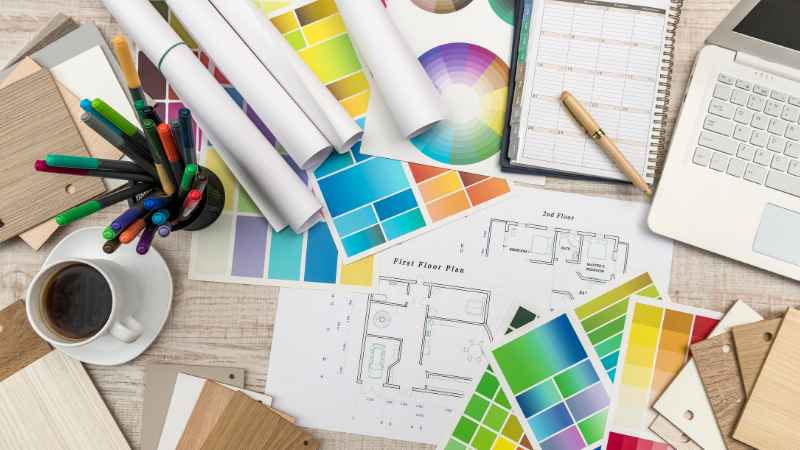
For apparel, simple usually performs better than busy. One strong phrase, one graphic, and two ink colors are often easier to read from a distance and cheaper to produce. Thin lines, tiny text, and low contrast color pairs are common mistakes because they disappear on real garments.
| Design choice | Looks better on product | Profit impact |
|---|---|---|
| Two color chest print | Cleaner and easier to read | Lower print cost, easier margin |
| Large multicolor artwork | Detailed but risks clutter | Higher cost, tighter pricing room |
A practical rule: mock up every design on light and dark product colors before you approve it. Then check whether the design still works if your blank costs rise. This matters most for new sellers using print on demand, where margins are thinner.
Plan Pricing, Packaging, and Fulfillment Before You Order
If you want to learn how to make merch profitably, work backward from your selling price before you approve production. A common mistake is choosing a blank, print method, or premium add on first, then discovering the margin only works at a price your audience will not accept.
Use a simple floor price: product cost + decoration + packaging + shipping subsidy + platform fees + returns buffer. Then compare that number with what similar brands in your niche actually charge. If your margin is under 50 percent on small runs, you have very little room for damaged items, resends, discounting, or creator commissions.
| Decision | Works well for | Watch for |
|---|---|---|
| Bulk inventory | Lower unit cost, events, steady demand | Cash tied up, size mix mistakes |
| Print on demand | Testing ideas, broad catalogs, low risk | Higher unit cost, less control over inserts |
Packaging should match the item and your return rate, not your mood board. Apparel usually needs a clean mailer, size label, and one insert at most. Fragile items need protection first. Overpackaging increases postage and slows pick and pack time.
Avoid Common Merch Mistakes for Your Next Launch
If you are learning how to make merch, most expensive mistakes happen before the first order. The usual pattern is simple: too many products, weak margins, and a setup that does not match demand. A smarter launch starts with one audience, one clear concept, and a fulfillment model you can actually manage.

A common mistake is launching five to ten items at once. In practice, a tighter line usually performs better because it keeps the message clear and makes inventory decisions easier. Start with one hero product, one backup style, and a small price ladder.
| Setup | Works well for | Main tradeoff |
|---|---|---|
| Print on demand | Testing designs with low upfront risk | Lower margins and less packaging control |
| Bulk order | Events, known demand, stronger margins | Inventory risk and cash tied up |
Another mistake is pricing from competitors instead of your own costs. Build price from blank product cost, printing, platform fees, shipping, returns, and a margin buffer. If the final number feels too high, reduce colors or placement before lowering margin.
FAQs
How much does it cost to make merch before your first order?
With print-on-demand, startup costs are usually limited to design tools, sample orders, and storefront fees. Many sellers begin with a low budget, but samples, branding assets, and marketing can raise the total quickly.
Is print-on-demand still worth it in 2026 for custom merch?
It can be very worthwhile if you target a specific audience and price for profit after fees, taxes, and returns. Competition remains high, so original concepts and realistic margins matter more than generic products.
How to test merch ideas without holding inventory?
Launch a small print-on-demand catalog and validate demand through traffic, saves, clicks, and initial sales. This helps you learn what people want before investing in bulk production.
How do I price merch without losing money on shipping?
Calculate product cost, shipping, fees, taxes, and return risk, then add your profit margin. Use a simple spreadsheet to ensure each design is truly profitable before listing.
Do I need original artwork to make merch legally?
Yes, use original or properly licensed artwork only. Avoid copyrighted characters, logos, and slogans you do not own. Checking usage rights early helps prevent takedowns and account issues.
Read More from Inkedjoy Blog
Written by Carry
Carry is a content creator at Inkedjoy, specializing in SEO strategies and print on demand business insights. She writes practical guides to help business owners grow their online stores and build successful POD brands.