
How to Sell AI Art in 2026
Key Takeaways
- Selling AI-generated art is legal in most cases, but purely AI-created works lack copyright protection in the U.S.—substantial human modification strengthens ownership claims and reduces legal risks.
- Avoid copyright/trademark violations: steer clear of copyrighted characters, brand logos, celebrity likenesses, or prompts mimicking living artists' styles (major studios have sued AI tools for this).
- Top platforms for selling AI art include Etsy (built-in art buyer traffic), Shopify (full brand control), and stock photo sites (passive income via licensing); each has unique disclosure and rule requirements.
- Success requires adding human value (editing/compositing) to AI outputs, mastering prompt engineering, focusing on high-margin POD products (wall art, home decor), and building a recognizable style.
- Adobe Firefly is the safest AI generator for commercial use (licensed training data); Midjourney/DALL-E 3 allow commercial use on paid plans but require careful prompt crafting to avoid infringement.
Table of Contents
The AI art market has exploded. With tools like Nano Banana and DALL-E creating gallery-quality images in seconds, print-on-demand sellers now have an unprecedented opportunity to build scalable product lines without hiring designers or holding inventory. Whether you're running an Etsy shop, Shopify store, or selling through your own website, understanding how to sell AI art legally and profitably is essential for staying competitive in 2026.
This guide breaks down exactly how to turn AI-generated artwork into sellable products—from navigating copyright laws to choosing the right platforms and optimizing your listings for maximum conversions.
Is It Legal to Sell AI Art?
Before uploading your first design, you need to understand the legal landscape. The rules around AI-generated art are evolving rapidly, with major lawsuits and policy changes shaping what sellers can and cannot do.
Copyright and Ownership: What Sellers Must Know
The U.S. Copyright Office maintains that purely AI-generated works without significant human input cannot be copyrighted . This means you can sell AI art, but you may not own exclusive rights to prevent others from using similar images.
However, human-modified AI art may qualify for protection. According to current guidance, if you substantially alter AI-generated images through compositing, digital painting, or complex editing, you strengthen your ownership claim .
Key legal risks to avoid:
- Copyright infringement: Don't use prompts that reference copyrighted characters (Disney, Marvel, etc.) or living artists' distinctive styles. Major studios filed lawsuits against Midjourney for exactly this issue
- Trademark violations: Avoid generating images containing brand logos or celebrity likenesses
- Platform-specific rules: Each marketplace has different disclosure requirements for AI content
Commercial Use Rights by Tool
Different AI generators have different commercial policies:
| Tool | Commercial Use Allowed | Key Restrictions for Sellers |
|---|---|---|
| Midjourney | Yes, on paid plans | Full commercial rights require a Pro or higher subscription; free or basic plans may restrict usage. |
| DALL-E 3 | Yes | Commercial usage is permitted but subject to OpenAI content policies and platform terms. |
| Stable Diffusion | Yes (depending on model) | Rights depend on the specific model license you’re using (some community-models have additional limitations). |
| Adobe Firefly | Yes | Designed for commercial use with clear training data transparency, making it POD-friendly. |
| Nano Banana (AI) | Yes (typically) | Most Nano Banana services allow commercial use of generated images under their terms; however, usage rights can vary by provider/version and are often tied to paid plans or standard licensing. |
Where to Sell AI Art Online
Choosing the right platform determines your reach, profit margins, and operational complexity. Here are the top channels for selling AI-generated art.
Etsy: The Marketplace for Independent Creators
Etsy remains the most popular platform for AI art sellers, offering access to millions of active buyers searching for unique wall art and home decor.
Advantages:
- Built-in traffic of art-buying customers
- Easy integration with print-on-demand services
- Supports both digital downloads and physical products
Requirements:
- Must disclose AI-assisted creation in listings
- Intense competition requires strong SEO and niche targeting
- Transaction fees apply to each sale
Best for: Sellers targeting home decor, printable wall art, and personalized gift markets.
Shopify: Your Own Branded Store
For sellers ready to invest in marketing, Shopify offers complete control over branding, pricing, and customer data .
Advantages:
- No marketplace competition on your own site
- Higher profit margins (no marketplace fees)
- Full customization of store design and checkout experience
Challenges:
- You drive all traffic through ads or SEO
- Requires payment processing setup
- Higher learning curve for beginners
Best for: Established sellers building a long-term brand with repeat customers.

Stock Photo Sites: Passive Income Licensing
Platforms like Adobe Stock, Shutterstock, and Wirestock now accept AI-generated images for commercial licensing .
How it works:
- Upload high-quality AI images with proper labeling
- Businesses license your art for marketing, websites, and products
- Earn royalties each time your image is downloaded
Requirements:
- Images must meet strict quality standards
- Must disclose AI generation
- Cannot contain recognizable people or private property without releases
Best for: Sellers wanting passive income without managing customer service or fulfillment.
How to Sell AI Art: Step-by-Step Process
Turning AI-generated images into profitable products requires a systematic workflow. Here's the exact process successful sellers follow.
Step 1: Choose Your AI Art Generator
Select tools based on your niche and commercial needs:
- Midjourney: Best for artistic, atmospheric images and abstract designs
- DALL-E 3: Excellent for detailed, photorealistic scenes
- Leonardo AI: Strong for character design and game assets
- Adobe Firefly: Safest for commercial use with built-in copyright protections
Pro tip: Master prompt engineering. Specific, detailed prompts yield better results than generic descriptions. Instead of "a cat," use "a wise old tabby cat with spectacles sleeping on leather-bound books in a baroque library, volumetric lighting" .
Step 2: Select High-Margin Products
Not all AI art translates equally well to physical products. Focus on items with strong demand and healthy margins:
Top-performing categories:
- Wall art: Posters, canvas prints, framed prints (high perceived value)
- Home decor: Throw pillows, tapestries, blankets
- Apparel: T-shirts and hoodies with bold, centered designs
- Accessories: Phone cases, mugs, tote bags
Avoid products requiring extremely high resolution (large tapestries) or complex color matching unless you have professional upscaling tools.
Step 3: Prepare Files for Print Quality
AI-generated images often need enhancement before printing:
- Upscale resolution: Use tools like Topaz Gigapixel AI or Magnific AI to increase image size without losing quality
- Adjust color profiles: Convert to CMYK for accurate print colors
- Check DPI: Ensure 300 DPI minimum for crisp printing
- Review edges: Clean up any AI artifacts or distortions
Poor file preparation leads to refunds and negative reviews. Always order samples before scaling sales.
Step 4: Set Up Your Production Pipeline
Connect your chosen platform to a reliable print-on-demand supplier:
Integration options:
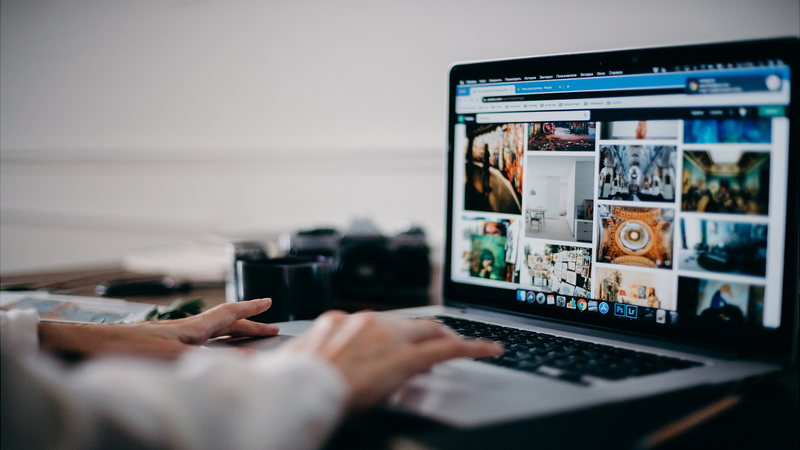
Inkedjoy: Offers a wide range of customizable print-on-demand products, reliable global fulfillment, and seamless integration with major eCommerce platforms like Etsy, Shopify, and WooCommerce. Inkedjoy is especially suitable for sellers looking to produce high-quality wall art, apparel, and lifestyle products with consistent print results.
Test print quality from multiple providers before committing. Wall art buyers are particularly sensitive to color accuracy and material quality.
Step 5: Optimize Listings for Search
Your product titles and descriptions must match what buyers actually search for:
SEO best practices:
- Include keywords naturally: "AI-generated wall art," "digital download printable art," "abstract canvas print"
- Write detailed descriptions explaining the artistic concept
- Disclose AI assistance transparently (required by most platforms)
- Use all available image slots showing mockups in real room settings
Conversion tactics:
- Lifestyle mockups showing art in decorated rooms
- Size guides with visual comparisons
- Clear shipping timelines and return policies
Step 6: Price for Profitability
Pricing AI art requires balancing perceived value with market competition:
Pricing formulas:
- Digital downloads: $3-$15 (low barrier, volume play)
- Prints/posters: $15-$45 (material costs + 40-60% margin)
- Canvas/framed art: $50-$200 (premium positioning)
- Apparel: $25-$45 (competitive with market rates)
Research competitor pricing on your chosen platform, then position based on unique style or superior quality.
AI Art Business Ideas That Actually Sell
Generic AI art rarely succeeds. The most profitable sellers focus on specific niches with passionate buyers.
Trending Niches
- Emotional Narrative Art
Abstract pieces evoking specific feelings (serenity, ambition, nostalgia) perform well in home office and bedroom decor markets. Buyers want art that resonates emotionally, not just looks pretty . - Personalized Pet Portraits
AI tools can generate stylized portraits of customers' pets in various artistic styles (Renaissance, pop art, watercolor). High customization commands premium pricing. - Cultural Fusion Designs
Combining traditional art styles (Japanese woodblock, Art Deco, Bauhaus) with modern subjects appeals to design-conscious millennials and Gen Z buyers. - Spiritual and Wellness Themes
Mandala patterns, chakra art, and meditation visuals sell consistently in the self-care and wellness market. - Dark Academia and Cottagecore Aesthetics
These persistent social media trends drive demand for specific visual styles—moody libraries, vintage botanicals, cozy interiors.
Digital vs. Physical: Which to Sell?
Digital downloads offer higher margins (no production costs) and instant delivery but face intense price competition. Physical products through POD require more setup but command higher prices and create tangible value perception .
Hybrid approach: Many successful sellers offer both—digital files for immediate gratification and premium physical prints for serious collectors.
Tips for Selling AI Art Successfully
- Add Human Value to AI Outputs
Don't sell raw AI generations. Enhance them through:
- Compositing multiple AI images into unique scenes
- Manual editing for color correction and detail refinement
- Adding typography or graphic design elements
- Creating cohesive collections with consistent color palettes
- Build a Recognizable Style
Random AI images won't build a brand. Develop signature prompt patterns and post-processing techniques that make your art instantly recognizable. This creates repeat buyers and word-of-mouth referrals. - Master Platform-Specific SEO
Each marketplace has different search algorithms:
- Etsy: Focus on long-tail keywords in titles and tags
- Shopify: Optimize product pages for Google search
- Stock sites: Use precise, descriptive keywords and comprehensive categorization
- Leverage Social Proof
Share your creative process on Instagram, Pinterest, and TikTok. Time-lapse videos of AI generation and editing build authenticity and drive traffic to your store. - Diversify Across Platforms
Never rely on a single sales channel. Successful AI art businesses typically sell on:
- One marketplace (Etsy or Amazon Handmade)
- One self-hosted platform (Shopify or WooCommerce)
- One stock photo site for passive income
Start Your AI Art Business Today
Selling AI art represents a genuine opportunity for print-on-demand sellers to scale product lines without traditional design skills. Success requires understanding legal boundaries, choosing the right platforms, and adding human creative value to AI-generated outputs.
Begin with one niche, master one platform, and expand systematically as you learn what resonates with your audience. The sellers who treat AI as a tool rather than a replacement for creativity will build sustainable, profitable businesses in this rapidly evolving market.
FAQ
Is it legal to sell AI-generated art on Etsy?
Yes, but you must disclose that your work is AI-assisted in your listings. Etsy requires transparency about AI use, and failure to disclose can result in account suspension. Additionally, ensure your AI tool permits commercial use and avoid prompts that generate copyrighted characters or trademarked material.
Do I need to copyright my AI art before selling?
Pure AI-generated art cannot be copyrighted in the U.S. without significant human modification. However, you can still sell it. If you substantially edit AI outputs (compositing, digital painting, complex manipulation), you may qualify for copyright protection. Consult an intellectual property attorney for specific situations.
Which AI art generator is best for commercial use?
Adobe Firefly is currently the safest choice for commercial sellers because it was trained on licensed Adobe Stock images and public domain content, reducing copyright risk. Midjourney and DALL-E 3 also allow commercial use on paid plans, but you must avoid prompts that could generate infringing content.
Read More from Inkedjoy Blog
Written By Suey
Suey is a fashion-focused SEO writer with expertise in print-on-demand. She creates practical, trend-driven content covering custom apparel, design inspiration, and print on demand best practices, helping sellers and brands navigate the competitive eCommerce landscape.