


How to Sell on Etsy Successfully: What Top & Rising Sellers Do Differently
Key Takeaways
- Successful Etsy selling starts before you open your shop—choose a specific customer niche and validate demand before creating products.
- Use real buyer search phrases in titles, tags, and descriptions rather than vague or overly creative language.
- Top sellers scale by turning one winning design into a product ecosystem (colors, variants, price points, occasions) rather than selling single items.
- Low-cost products attract traffic and reviews; high-ticket items and bundles drive real profit.
- Branded packaging, fast responses, and on-time shipping build trust and encourage repeat buyers—Star Seller status follows from consistent customer experience.
Maya is overflowing with product ideas in a notebook and hasn't had the time to build up her Etsy shop. She constantly wonders where to even start. Jade only opened her Etsy shop a few months ago, but she already checks her stats every morning, and despite that, she almost only sees zeros. Priya, on the other hand, has a shop with steady orders, but she has not developed an explicit plan to add products, increase prices, or turn a productive month into a real business.
Three different sellers, three unique sellers' problems, but a common question: How to sell on Etsy successfully. This article will cover preparing before opening a shop, setting up the shop without spending too much time, and the characteristics that distinguish top Etsy sellers from the rising ones and the ones that remain stuck. Along with this, you also get a concise diagnosis checklist and solutions to the most common questions from sellers.
Before You Start Selling on Etsy
A bit of planning before you open your shop will save weeks of confusion later. The two things you must get right first are identifying potential customers who can buy your goods, and what you need to get started legally.
Choose What You Sell and Know Who You Sell To
The marketplace of Etsy consists of millions of sellers, but if you go for a niche market with the least direct competition, then you can easily have visibility and sales. The mistake of most of the new sellers is that they start with a product only and forget to consider their customers.
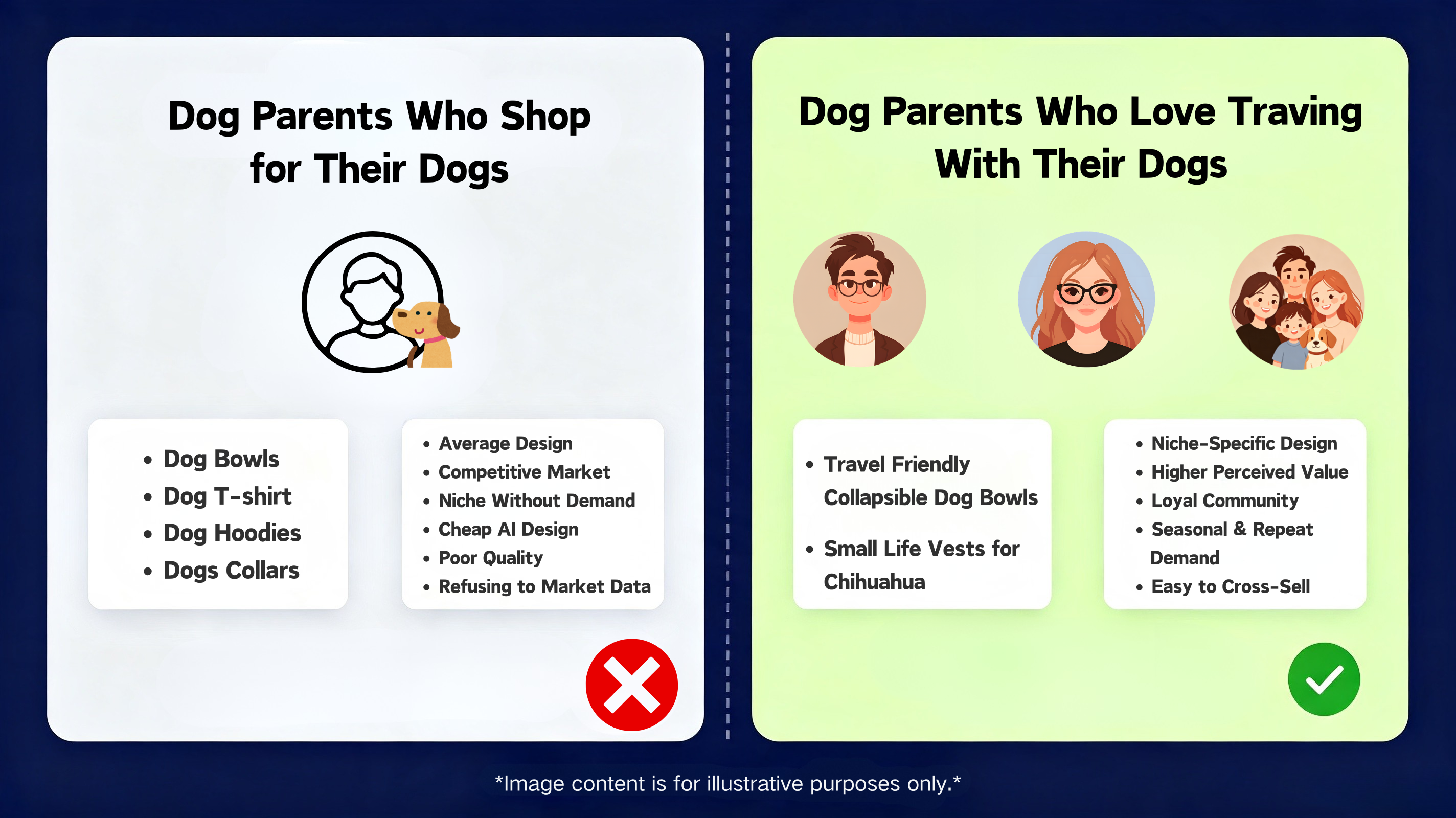
Here is how you can find your niche:
Pick the customer and not just the product category.
Weak: "I sell wall art."
Strong: "I make unique, personalized gift for young families who have just adopted a pet."
The latter example indicates your customer type and suggests your target marketing the product development.
Once the buyer's person has a clear picture in your mind, build a simple buyer profile: age range, things that the buyer looks for, etc., and the reason for preferring a handcrafted or custom-made article instead of a mass-produced product. Make sure to check the popularity of your search phrases; see other shops selling similar products. Read the reviews from the buyers on these shops before investing your time in a product you love, but that no one wants.
Needless to say, an idea is a nice start, but the idea also has to be proven, and it is the proof that can make a difference. Only a hunch is not enough.
Etsy Shop Opening Checklist
The Etsy Seller Handbook outlines everything that you have to prepare before opening your shop. Here is an extremely quick version so that you can see what has been left out:
- Your shop name should be unique one that is not yet trademarked (the first thing you do is that you look up the USPTO database)
- At least three product pictures with natural lighting per listing
- The shop banner and logo will be set at the size to match Etsy specifications (the banner size is 3360 x 840 px, logo 500 x 500 px)
- A short shop policy that explains your shipping time, returns, and processing time
- Linked bank account and tax data for the payments
- A pricing plan that factors materials, labor, and Etsy fees, and makes a profit
Leaving out any of these will result in your shop launch being stuck, and having your products sold through it later will be difficult. Don't wait till the end for some of it. Check it off as you go.
Get Your Etsy Shop Ready to Sell
Opening your Etsy shop entails quite a lot of technical work, although only some of the choices will make an impact of considerable magnitude on you. Here's a list of main areas to be familiar with at every step:
- Shop name: Think of something that is brief and easy to remember, a brand name that is free of trademark and intellectual property disputes.
- Shop Policies Page & About page: Many times, buyers take a peek at it before going ahead to make the purchase, particularly when a custom item is involved. Processing time has to be mentioned clearly because late delivery of a good or service not only results in customer complaints but also hurts Star Seller status.
- Fees per listing: It is $0.20 right now every 28 months or 4 months from the time of renewal, the transaction fee is 6.5% which is taken from selling price including the delivery charges, and an extra 3% plus the payment transaction fee of $0.25 per order in U.S. Therefore, you should plan your price considering all three components, not just the cost of the product.
- Photos & thumbnails: A thumbnail is a small picture of a product in the form of a square that you can see on a search list. A messy or dim photo doesn't attract buyers even if it's just a great product.
- Shipping profiles: Once you figure out your settings for shipping, you can use the same ones in all your listings. That will help to save time and also avoid having pricing errors.
- Banking & payment setup: Payment methods are mostly handled by Etsy Payments for other countries automatically, so connect up your bank account before releasing your first sale.
Figuring these points out early will mean that even when the shop is open. You won't need to revisit them for a while since you have thought about and decided the basics already. When your shop is up and running smoothly, it will be the period of real growth.
What Top and Rising Etsy Sellers Do Differently
Besides just throwing in more products or increasing the traffic, successful Etsy sellers figure out how to make their shop a converter and then work from proven demand points as their expanding points. Also, these sellers give the customer good reasons for repeat visits.
Optimize Your Listings for How Buyers Actually Shop
A product description is simply telling buyers about what an item is. A buyer search phrase, on the other hand, is the precise phrase entered into Etsy's search bar. These two are different, but if you mix them up, you could lose visibility.
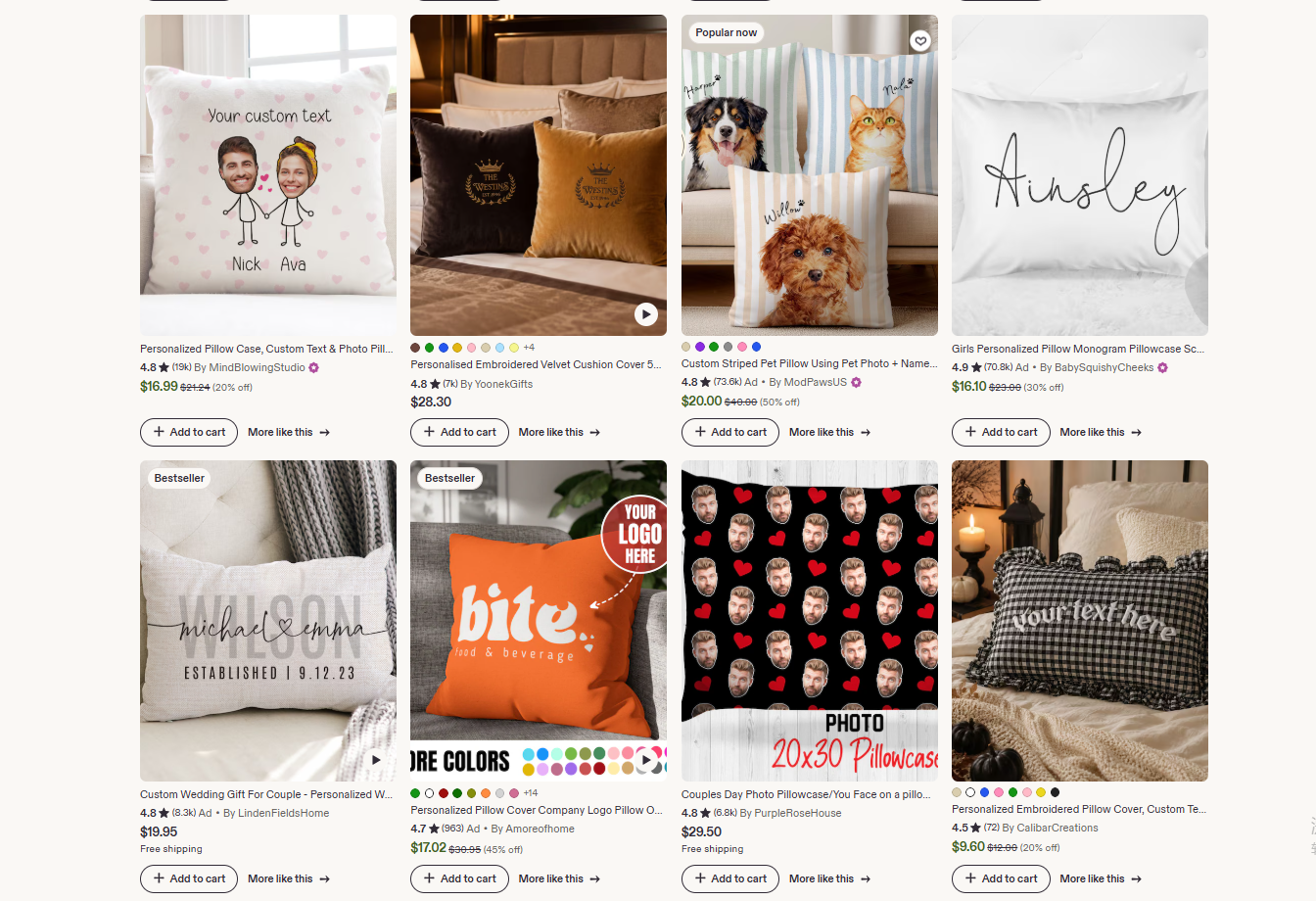
- Include real buyer search phrases naturally in your title and main part, and try different versions through A/B testing to find out which of them performs better in terms of generating a sale.
- Fill all 13 tags, each of which should be a two- or more-word phrase as opposed to a single generic word since Etsy's search algorithm prefers specific long-tail phrases over broad one-word ones.
- Use a clean, high-quality mockup or actual product photograph as your thumbnail image, since it is the first thing a potential customer will see in the search result.
- Offer different product variants through a single listing instead of setting up several separate listings for them. Doing this will keep reviews and favorites on one page, which is good for that listing's ranking.
- Write your product descriptions using clear long-tail keywords that a buyer would actually search, instead of employing vague brand language.
For example, there was a jewelry maker who used to sell a few pieces of metal to her customers - minimalist rings. She decided to completely rewrite her listing "Silver Ring" into "Dainty Silver Stacking Ring, Minimalist Everyday Band, Gift for Her." Her search impressions have significantly multiplied since then because the new title better represents the kind of language that a typical buyer would type in.
Keep Adding New Products, But Scale What Already Sells
It's a great idea to constantly introduce new listings; Etsy tends to reward shops that stay active. A brand new item will naturally be noticed for a short period of time, and the regular addition of products is probably the best way to experiment with ideas and discover what really works.
The objective isn't to add listings blindly to your shop; rather, make every new listing a little bit better than the one before it: higher quality pictures, a well-thought-out title, an interesting product description. The fact is that the shop becomes more attractive gradually as a result of small changes on each individual listing.
Turn One Winning Design Into a Whole Product Ecosystem
A major turning point for shops that go on to grow from those that remain the same is as follows: stop focusing just on single product selling and instead concentrate on solving all the needs of a certain customer segment.
If one particular design or style of product is showing strong sales, you could take it and develop a range of:
- different colors
- different personalized features
- different physical versions of the product (mug, print, tote, sticker)
- different occasions (birthday, holiday, new baby)
- different price points
One artist who had the luck with her shop selling one unique pet portrait later decided to use the same art style to create ornaments, tote bags, and phone cases. Each of the new products reached exactly the same buyer but at a different stage in their buying journey.
Use Low-Cost Products to Attract Buyers, and High-Ticket Products to Grow Profit
One of the problems that many sellers find themselves is in the fact that their order volume goes up, but profit remains flat. This generally comes down to the way traffic, order volume, average order value, and profit are all related to each other.
Traffic refers to the number of people visiting your shop. Order volume indicates how many of those visitors made a purchase. Average order value (AOV) is about how much each buyer spends. Profit refers to what is left after fees, materials, and time. A seller with lots of traffic, lots of cheap items, and lots of orders may still not make any profit after Etsy's fees and shipping costs.
Low-cost products serve an important role as traffic magnets. They attract buyers, bring in reviews, and can help your shop get the attention of Etsy's algorithm. High-ticket items or bundles, on the other hand, hold the biggest profit.
Clear Dead Weight, Keep Your Shop Alive
Etsy's overall performance measures of seasonal or underperforming items that have zero views for months will affect your ratings negatively. This is the way Etsy's algorithm is designed; if we look at it through their eyes, they evaluate how your whole site operates, not your listings individually.
Taking a close look at your products on a regular basis can help you find ways to revitalize, change, or even discard some items or bring back seasonal ones when the season is right. In some cases, a store with a few top-performing items may outperform a store with an extensive range of dead stock.
Make Your Packaging Part of Your Brand
All the physical contact points of a buyer with the products will form in them the feeling of wanting or disliking your store. For example, your pictures of your products, your packing of the products, and the note you give upon delivery will all combine together to give the buyer a lasting impression of your shop and either make them forget it soon after opening the box or the quite opposite.
Brand packaging is a very simple and efficient trick through which you can make your customer experience unique. It's a combination of all the small things your customer can sense at the moment when the product is given its final packaging for her: your branded sticker on the box, the handwritten note, the color of the tissue paper which matches your main shop colours.
Become an Etsy Star Seller
At the moment, the Star Seller status on Etsy is determined through a 90-day rolling evaluation process.
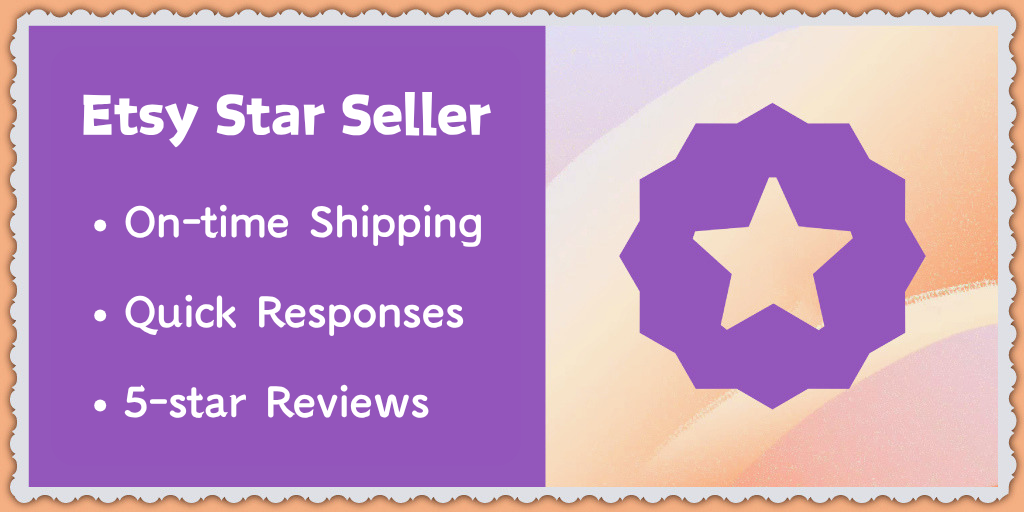
From 2026, Etsy is going to examine the fulfillment of four points: a message response rate of 95% or higher, on-time shipments with tracking for at least 95% of orders, an average rating of 4.8 or better, and at least 5 orders have been fulfilled. Also, your shop should be at least 90 days past its first sale in order to qualify.
- Answer messages very promptly, ideally within a matter of hours rather than simply under the 24-hour rule alone.
- Request each satisfied customer for a review and respond to every message from a customer, whether it is a good or bad one.
The badge is merely a tool for enhancing your visibility through the search engine, but what you do behind it- fast replies and on-time shipments- are the two things that actually get your consumers to return.
Bring in Outside Traffic and Test Etsy Ads Before You Scale
When you are depending only on Etsy search, your growth is limited.
New audience is brought in by the external traffic. And they also tend to convert better since they are already familiar with your brand before you even get to the shop page.
- The visual products are doing really well on Pinterest, and this is because Pinterest operates like an image search engine.
- Tutorials or searchable content excel on YouTube, particularly for the craft or DIY-adjacent products.
- Community-driven niches are growing through Facebook groups, which are developed around a common interest or hobby.
Once you have traffic that is coming from other sources to your shop on a rather reliable basis, you will start testing Etsy Ads using a small daily budget and concentrate initially on your most profitable listings.
Check your click-through rate and also your conversion rate. If you observe that they are good, you can decide to raise the spend, while if they are not that great, you can just reduce.
Find What's Actually Holding You Back
Use this table to spot the problem and know what to try next.
| Problem | Diagnosis | What to Do Next |
|---|---|---|
| Low impressions or traffic | Weak keywords or thin tags | Rewrite titles and tags with real buyer search terms |
| Lots of views, few orders | Weak photos, price, or description | Improve thumbnail quality and clarify value in the description |
| Sales come in, but profit stays low | Pricing too close to cost after fees | Rework pricing to include all Etsy fees and add higher-ticket items |
| Sales spike then disappear | Trend-driven or seasonal demand | Diversify into evergreen products alongside trend items |
| Customers rarely come back | No brand connection or follow-up | Add branded packaging and a simple thank-you note |
| Ads get clicks but few sales | Listing itself isn't converting | Fix the listing first, then resume ad spend |
Common Etsy Selling Mistakes to Avoid
- Not analyzing your current Etsy product lines to learn why some perform more than others before adding newer ones.
- Using price as your only selling advantage rather than showcasing product quality or a compelling product story.
- Doing designs that look very nice to you, but not knowing what products buyers are actually searching for or what trends are popular
- Writing keywords that you don't realize will never trigger Etsy's buyer search. Use those words as they are searched or spoken by actual users.
- The neglect and absence of any brand identity building, and the emphasis is only on product launching, which is not a sustainable growth model; in fact, a major downfall.
Build a Successful Etsy Shop with Inkedjoy
Print on demand is a great solution for overcoming obstacles that new sellers typically hit. You are completely free from keeping inventory, paying the production costs in advance, or personally handling the packing and shipping of every order. Inkedjoy handles your product printing and fulfillment, so you get to concentrate on making your own products, creating and improving listings, and learning your customers, all without you doing the manual jobs of packing boxes and so on.
You can work with us at Inkedjoy to try out new products, different designs, or product formats, in fact, without the pressure of stock, which helps eliminate stockholding overheads. The only products you scale should be the ones that have already sold.
How to Be Successful on Etsy: FAQ
Should I run Etsy Ads if my shop is new?
Wait until your listings convert organically before running ads. Ads can help successful products.
How long does it take to be successful on Etsy?
Within 3 to 6 months, good listings and new products help sales grow quickly through reviews and repeat buyers.
How much does Etsy take from a $100 sale?
Etsy charges around $12 to $15 on a $100 sale through listing fees, transaction fees, and other fees. Ads can further add 12% to 15% in fees.
Can you make $10,000 a month on Etsy?
Yes, some sellers do earn $10,000 monthly by having a wide range of products on demand.
How many listings should I publish on my Etsy shop every week?
Every week, release a few quality listings instead of many rushed ones.
Should I revive my old Etsy shop or start a new one?
Reviving an old shop with sales history is better than starting fresh for algorithm purposes.
How do I find and choose a niche that's friendly for new sellers?
Explore specific needs of buyer groups and demand vs saturation in your niche.
Where can I find a reliable print on demand supplier with competitive pricing?
Inkedjoy provides print-on-demand services tailor-made just for Etsy sellers' needs.
Is it better to sell on Etsy or Shopify?
Etsy has built-in traffic, but Shopify gives you branding control. Most begin with Etsy, then move to Shopify later on.
Read more
- How Much Does Print on Demand Cost: Costs, Pricing & Profit
- How to Make Custom All-Over Print Shirts
- How to Build an Etsy Email List Legally and Get Repeat Sales (2026 Guide)
- Etsy Account Suspended? What To Do Next (And How to Protect Your POD Business)
- Etsy SEO in 2026: Get More Impressions, Clicks, and Sales
Written by
Gina
A skilled marketing specialist with expertise in e-commerce marketing, and print-on-demand product research. She has extensive experience in keyword research, market analysis, and content strategy, helping brands find uncover profitable opportunities, improve search visibility, and drive sustainable growth through data-driven marketing.