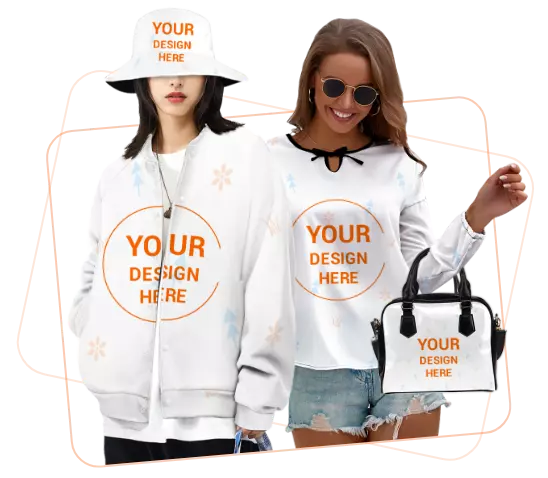


High-End Personalized Products: Building a Premium Customization Experience
High-end personalization is no longer a novelty in luxury commerce; it is the default expectation. Affluent customers want products and experiences that feel like they were made for them, while brands need pathways to deliver that intimacy at scale without diluting craftsmanship or margin. As a mentor to founders and operators in on‑demand printing and dropshipping, I see personalization excel when it combines disciplined assortment design, immersive digital tools, and white‑glove clienteling grounded in data ethics and accessibility. This article lays out a practical roadmap to build a premium customization experience end to end, with definitions, market signals, execution guidance, risk controls, and care and buying tips that protect both the customer and the brand.
What “Premium Customization” Really Means
Luxury personalization ranges from simple monograms to true bespoke. A monogram or engraving is a light‑touch identity marker added to a finished or semi‑finished product. Configurable made‑to‑order extends that with curated choices of materials, colors, trims, or accessories assembled after purchase. Made‑to‑measure adjusts a base pattern to the customer’s dimensions, producing a closer fit without starting from scratch. Bespoke is the apex: a unique pattern cut for one client, handcrafted with multiple fittings and extensive handwork. As Houghton Mackay explains, bespoke differs fundamentally from made‑to‑measure because the pattern, construction, and finish are created anew, not adjusted from a stock template. Knowing where your offer sits on this spectrum is the first strategic decision; it determines tooling, lead times, price architecture, staffing, and your service posture.
Why Personalization Is Surging Now
The luxury sector rebounded strongly in recent years, but the rules have changed. ConfigureID reports global luxury retail on pace to hit about $354.81 billion by Q4 2023, with ecommerce expanding from 9% of personal luxury sales in 2017 to 22.7% in 2022. After experiencing tailored recommendations, 71% of consumers now expect personalization, and 76% become frustrated when it is missing, according to ConfigureID. Demographics are shifting at the same time; Millennials and Gen Z accounted for roughly 72% of global luxury sales in 2022 in that dataset. Euromonitor finds that more than 70% of affluent consumers now prioritize experiences over goods, and 54% of connected consumers prefer immersive, engaging stores. The implication is clear: brands that blend meaningful customization with experiential design win the next dollar of discretionary spend.
Strategically, the industry is also recalibrating. McKinsey notes that price increases drove more than 80% of personal luxury goods growth from 2019 to 2023, with volumes rising only moderately. In 2025 the sector faces a slowdown and a ceiling on further price hikes, which elevates product excellence, true craftsmanship, and unique experiences as the primary value levers. McKinsey recommends a strategic reset: clarify core values, focus on priority clients, and invest in data, AI, and clienteling that create money‑can’t‑buy moments while realigning scale with craftsmanship. Personalization is a practical way to enact this reset because it reframes value around identity, participation, and care rather than price alone.
The Digital–Luxury Handshake: Tools That Feel Human
The premium experience starts online now, even when a sale closes in a salon or boutique. ConfigureID outlines several technologies that make digital feel like couture: photorealistic 3D visualization that lets the client rotate materials and finishes, “shop the look” bundling that composes outfits or kits in a single frame, and augmented reality try‑ons paired with AI sizing advice to reduce uncertainty about fit. Clienteling translates those insights into high‑touch human outreach. Endear describes clienteling as relationship‑driven selling fueled by customer data, where a stylist or associate initiates timely, relevant conversations that reference anniversaries, preferences, and prior purchases, and then follows through with reservations, gift wrapping, or appointment‑only viewings. Clientbook similarly emphasizes phygital journeys where the store and the site share a unified profile, allowing outreach and recommendations that feel coherent across touchpoints. When these tools are orchestrated well, the client experiences seamless continuity and intentionality rather than the noise of generic promotions.
Accessibility is part of luxury now. Klein Epstein Parker articulates an approach aligned to WCAG 2.1 Level AA, including readable fonts, keyboard navigation, text‑to‑speech, and color contrast controls. Whether you build or buy a configurator, ensure it meets accessibility standards and works with major screen readers. This is an ethics and compliance issue in the U.S. and Europe, and it is good business; inclusive design expands your audience and reinforces trust.
Designing the Assortment: Curate, Don’t Clutter
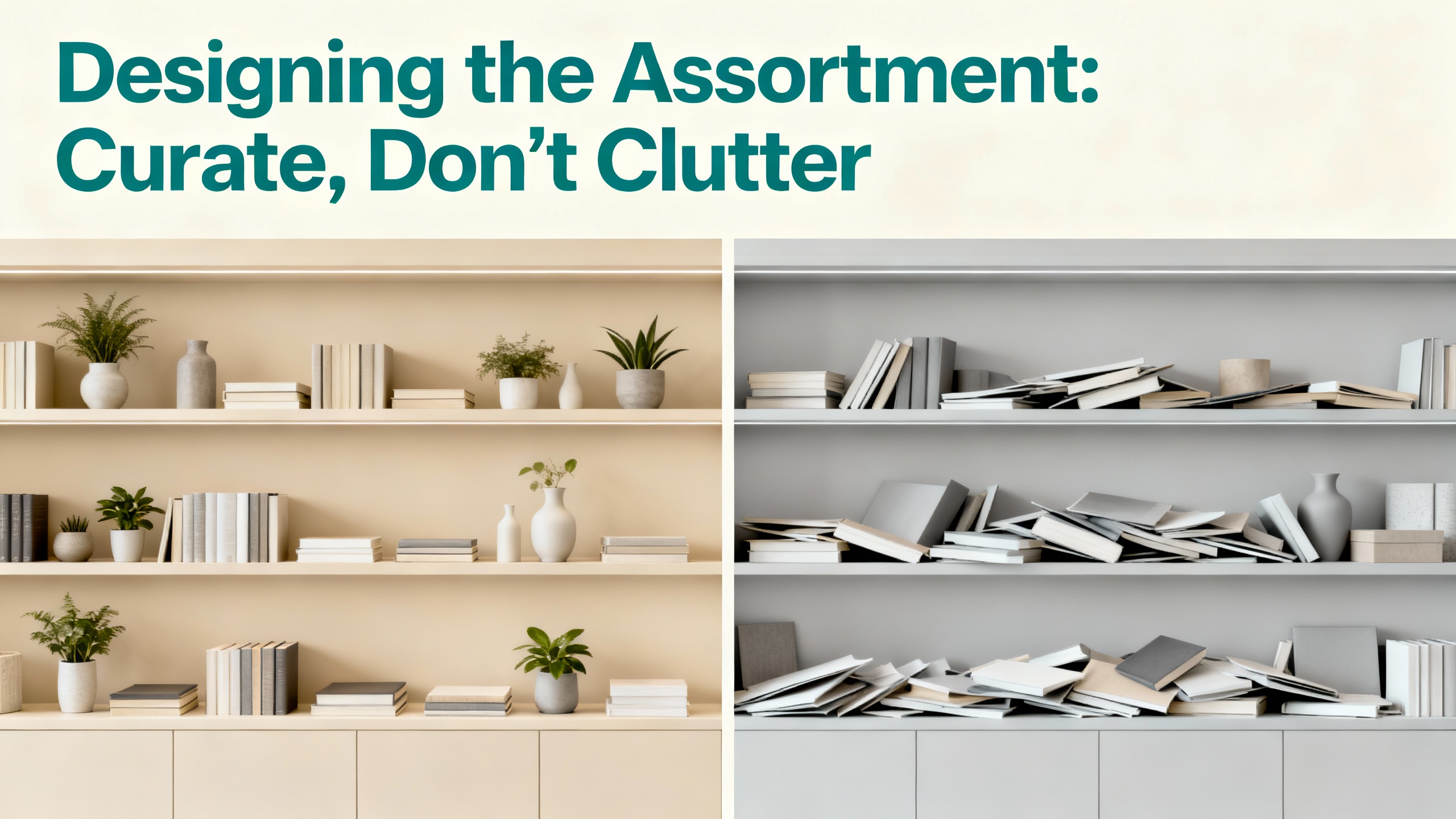
Personalization fails when it turns into an overwhelming menu. LUX Life notes that curated options, guided configurators, and modular product platforms make on‑demand personalization scalable. The principle is simple: present the client with a narrow set of meaningful choices that shape identity and use. For a leather tote, that might be two premium hides, three hardware finishes, one of two handle lengths, a few interior modules, and a monogram with selected fonts. ConfigureID highlights bundling and text personalization, which work best with a disciplined palette and templates that protect aesthetics. When you add optional technology components, ensure the choices are compatible and validated in your product lifecycle management system so manufacturing errors do not creep in.
Packaging and unboxing are part of the experience. Corporate gifting platforms such as Swag.com show how custom boxes and inserts can carry a story and a note from the giver; boutique firms like GildedBox go further by translating a partner’s values into a cohesive selection with premium materials and a narrative that frames the relationship. For consumer and B2B clients alike, presentation signal matters as much as the item itself.
Economics and Operations: ROI With Guardrails
The financial case for personalization is compelling when scoped properly. ConfigureID cites an average order value increase of about 50% and a conversion lift of around 40% when intuitive, visually rich customization is offered. LUX Life points to reduced return risk when fit and preferences are aligned through made‑to‑order flows, AI‑assisted sizing, and curated choices. Measurement should be rigorous. Track baseline and post‑launch AOV, conversion rate, return rate, production lead time, customization adoption, and satisfaction or NPS. In my mentoring work, I encourage teams to review these metrics weekly in the first quarter after a launch and to adjust option sets, photography, and page flow based on actual behavior rather than gut feel.
Operationally, speed and quality need explicit guardrails. LUX Life advises service‑level targets and quality gates to manage lead times and complexity. Near‑shore or domestic micro‑batches help when your promise is measured in days instead of weeks, and they mitigate risk for made‑to‑order SKUs. McKinsey’s warning about the limits of price‑only growth reinforces the need to realign scale with craftsmanship; bring key processes in‑house, invest in apprenticeships as Houghton Mackay recommends, and standardize certain sub‑assemblies even while final touches remain artisanal. Be transparent about timelines and communicate proactively throughout production; luxury is as much about minimizing anxiety as it is about maximizing delight.
Selected Data Points and Sources
Insight | Figure | Source |
|---|---|---|
Global luxury retail projection by Q4 2023 | $354.81 billion | ConfigureID |
Ecommerce share of personal luxury sales in 2022 | 22.7% (up from 9% in 2017) | ConfigureID |
Consumers expecting personalization | 71% | ConfigureID |
Consumers frustrated when personalization is missing | 76% | ConfigureID |
Share of luxury sales by Millennials and Gen Z (2022) | 72% | ConfigureID |
AOV increase with customization | About 50% | ConfigureID |
Conversion increase with customization | About 40% | ConfigureID |
Affluent consumers prioritizing experiences | More than 70% | Euromonitor |
Connected consumers preferring immersive stores | 54% | Euromonitor |
Growth driver caution | >80% growth from price increases (2019–2023) | McKinsey |
Craft Meets Tech: Story, Heritage, and Authenticity
High‑end personalization must showcase craft, not obscure it. Houghton Mackay’s lens on true bespoke—original patterns, multiple fittings, hand stitching—underscores why scarcity and mastery uphold value. Where you introduce technology, do it to illuminate craft. Use 3D models to zoom in on stitching, AR to visualize how a hand‑finished patina ages, and short films showing artisans at work. Block & Tam emphasize that storytelling outperforms facts alone in memorability, and the best stories are anchored in real processes, real people, and real places. Sotheby’s Institute frames luxury marketing through emotions, exclusivity, experiences, and extension. Personalization sits at the heart of all four by translating a brand’s codes into a personal expression that the client helped design.
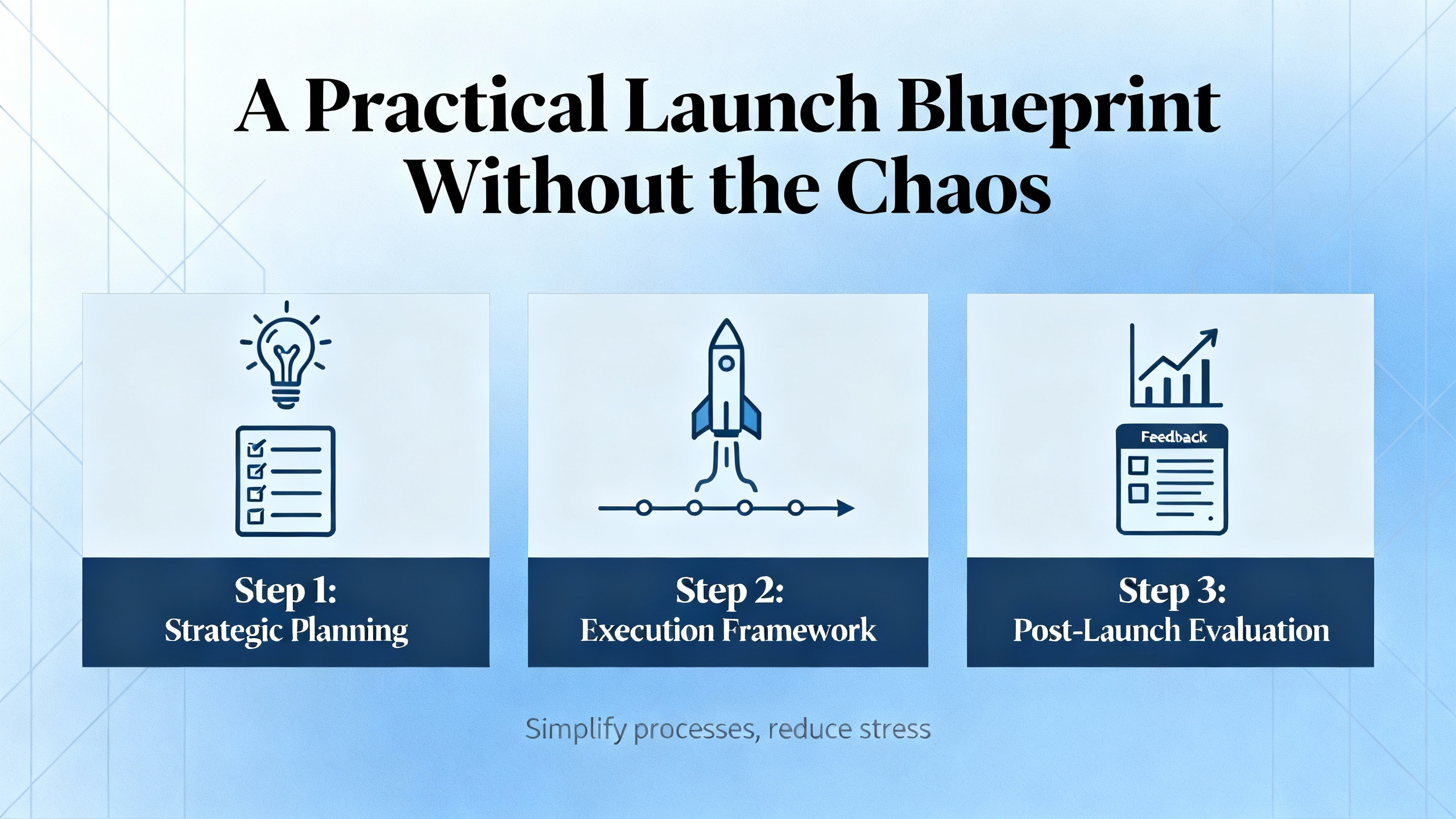
A Practical Launch Blueprint Without the Chaos
Start narrow and intentional rather than broad and brittle. LUX Life recommends piloting a single hero line with limited configurable options. Choose an item with proven baseline demand and a high willingness to pay for individuality. Scope a concise option set that protects aesthetics. Implement a guided configurator with photorealistic 3D and, where fit matters, AI sizing or a clear measurement guide. Integrate your configurator with your order management and PLM so custom SKUs flow through production without manual rekeying. Train client advisors to co‑design with customers, both in‑store and via video consultation, and give them a clienteling platform like Endear to orchestrate bespoke outreach. Turn the first hundred deliveries into a brand moment with thoughtful unboxing, a care guide tailored to the customization, and a follow‑up appointment to check fit or answer questions.
On day one, define a measurement plan and the governance to act on it. Target AOV uplift, conversion lift, adoption rate, return rate, and cycle time. Calibrate your lead time promise based on recent throughput, not aspirational estimates. If results are strong, extend to adjacent SKUs. If funnel friction appears, iterate photography and copy to simplify choices, and prune options that drive cart abandonment or production errors.
Pros and Cons to Weigh Before You Scale
Personalization strengthens product‑market fit, raises perceived value, and creates experiences that live longer than the object itself. It deepens loyalty because the item becomes a reflection of the customer’s identity. It can also reduce returns for fit‑sensitive categories when supported by robust sizing and guided choices, as LUX Life suggests. The downsides are real. Complexity can overwhelm teams, lead times can slip without tight controls, and production errors can erode trust. Costs rise as you add variant management, photography, configurator development, and quality assurance. McKinsey’s caution about diluted exclusivity in rapid expansions is especially relevant; adding options is not the same as adding desirability. Scale only where you can protect craft and clarity.
Data, Privacy, and Trust by Design
Privacy and consent must be explicit, since personalization depends on data. LUX Life recommends a clear value exchange for first‑party preference data, such as tailored edits, priority access, or care plans. Clientbook and Endear demonstrate how unified profiles power relevance across channels; protect that data with strong security practices. Transparency on materials, sourcing, and timelines builds credibility with Millennial and Gen Z buyers who value sustainability and community impact, as ConfigureID notes. Accessibility compliance matters as part of trust. Align configurators and content to WCAG 2.1 Level AA practices outlined by Klein Epstein Parker to ensure the experience works for all clients. Finally, offer traceability, repair, and refurbishment where feasible to extend product life; on‑demand customization pairs naturally with lower overproduction and better lifecycle stewardship as LUX Life observes.
Care and Buying Tips for Personalized High-End Products
Personalized leather goods require simple, consistent care. Wipe with a dry, soft cloth after use, avoid prolonged sun or heat, and condition sparingly with a brand‑approved product. Keep monogrammed areas away from abrasive surfaces, and store in a breathable dust bag rather than plastic. For fine jewelry, especially with custom engravings, a mild soap bath and soft brush are safest; dry thoroughly and avoid chemicals that can dull finishes. For mechanical watches with caseback engravings, avoid polishing compounds on the engraved surface and follow the brand’s service intervals to maintain water resistance. In apparel, made‑to‑measure garments hold their shape best when rested between wears, brushed to remove surface dust, and hung on shaped hangers. For tech customization, such as personalized cases or modular accessories, follow the manufacturer’s cleaning guidance and avoid solvents. One more buying tip matters across categories: verify return and exchange policies before personalizing. Many luxury houses exclude personalized items from standard returns, so confirm fit with try‑ons or send measurements carefully, and consider a final consultation to validate details. Warranty coverage should explicitly include customized components when they do not alter core function.
Building for the Next Generation of Luxury
Younger luxury customers expect the brand to mirror their values. ConfigureID points to quality over quantity, authenticity, and support for the artisan community as messages that resonate with Millennial and Gen Z buyers. Euromonitor finds that wellness and experiences function as modern status markers, and McKinsey highlights the shift toward unique, money‑can’t‑buy experiences that deepen client bonds. This is good news for founders who master personalization because co‑creation is inherently a values‑aligned act. Your task is to curate choices carefully, bring the human element forward in story and service, and architect operations that keep promises under pressure.
Practical Measurement Plan You Can Use Tomorrow
Treat your first ninety days as a live lab. Define baselines for AOV, conversion, return rate, cycle time, and customer satisfaction. Launch your hero configurator with a short option list and photorealistic assets. Track behavior daily at first, then weekly, with heatmaps and session replays to find friction. Use Endear‑style clienteling to reach out personally to high‑intent visitors who did not convert, offering a short consultation or a styling suggestion. For top clients, create an appointment‑only atelier moment in a flagship or pop‑up to bridge digital excitement with tactile confidence. If options confuse, collapse them. If lead times stretch, raise transparency and introduce production slots with clear estimated ship dates. Personalization succeeds when the client feels seen and the operation delivers steadily.
Takeaway
High‑end personalization is a discipline, not a widget. The winners curate choices that express brand codes, deploy immersive tools that feel human, invest in clienteling and accessibility, and run operations with clear guardrails. The market signals are strong—personalization adds conversion and margin according to ConfigureID—and the generational tilt toward experiences and wellness identified by Euromonitor and McKinsey makes co‑creation a durable strategy. Start with one hero product, build a guided flow that showcases craft, measure ruthlessly, and scale only where you can keep promises. That is how personalization becomes a premium experience rather than a complicated checkbox.
FAQ
What is the difference between made‑to‑measure and bespoke?
Made‑to‑measure starts from a base pattern and adjusts it to the client’s measurements, while bespoke creates a unique pattern from scratch with multiple fittings and extensive handcraft. Houghton Mackay emphasizes that bespoke involves a deeper level of rarity, precision, and handwork compared to pattern adjustments.
How much does personalization actually improve sales performance?
ConfigureID reports that intuitive customization can raise average order value by about 50% and increase conversions by around 40%. Results vary by category and execution quality, so measurement and iteration are essential.
Do younger luxury shoppers really care about customization?
Yes, and for reasons beyond novelty. ConfigureID notes Millennials and Gen Z account for a majority of recent luxury spend, and Euromonitor indicates that affluent consumers prioritize experiences. Personalization turns an object into an experience of co‑creation, which resonates strongly with these cohorts.
How do I keep lead times under control for made‑to‑order products?
Limit options to a curated set, validate every combination in your PLM, and set clear service‑level targets for each production step. LUX Life highlights the value of curated options and quality gates, and near‑shore micro‑batches can help you keep promises measured in days rather than weeks.
What data and accessibility standards should a configurator meet?
Adopt a clear consent model for first‑party data with a value exchange, protect profiles in your CRM, and align your configurator to WCAG 2.1 Level AA so it works with major assistive technologies. Klein Epstein Parker’s approach illustrates practical accessibility features, and Clientbook and Endear show how unified data can power respectful, relevant outreach.
Are personalized items returnable or covered by warranty?
Many luxury houses exclude personalized items from standard returns, which is why fit validation and final confirmations matter before production. Warranty coverage should clarify how customized components are handled. Review policies carefully and keep documentation of specifications to simplify service and care.
Appendix: Personalization Tiers at a Glance
Tier | Core Idea | Typical Lead Time | Price Impact | Fit/Function Risk | Best For |
|---|---|---|---|---|---|
Monogram/Engraving | Identity mark on finished item | Minimal | Low | Low | Leather goods, jewelry, tech accessories |
Configurable Made‑to‑Order | Curated materials, colors, modules | Short to moderate | Moderate | Low to moderate | Bags, footwear, small leather goods, home |
Made‑to‑Measure | Adjust base pattern to measurements | Moderate | Moderate to high | Moderate | Apparel, suiting, some footwear |
Bespoke | Original pattern and handcraft | Long | High | Low after fittings | Couture, suiting, high jewelry |
Sources for concepts and data in this article include ConfigureID, McKinsey, Euromonitor, Endear, Clientbook, Houghton Mackay, LUX Life, Klein Epstein Parker, Block & Tam, and Sotheby’s Institute.
References
- https://www.glion.edu/magazine/luxury-brand-management/
- https://www.blockandtam.com/insights/strategies-for-selling-to-luxury-consumers
- https://www.clientbook.com/blog/everything-you-need-to-know-about-the-luxury-shopper
- https://smart.dhgate.com/luxury-gift-ideas-for-the-discerning-general-contractor/
- https://editionstudios.com/understanding-the-luxury-consumer-and-building-a-brand-that-connects/
- https://endearhq.com/blog/clienteling-in-luxury-retail
- https://www.euromonitor.com/article/beyond-possessions-the-new-landscape-of-luxury
- https://www.gildedbox.com/page/start-207
- https://lux-life.digital/customizable-luxury-the-rise-of-personalized-fashion-in-the-high-end-market/
- https://www.marq.com/blog/how-to-build-strong-luxury-brand