

Personalized BPA‑Free Bottles: Safe Custom Hydration Solutions
Personalized water bottles sit at the intersection of wellness, sustainability, and self-expression. For founders building an on-demand printing or dropshipping catalog, “BPA-free” is no longer a differentiator; it’s the price of entry. The winning play is to pair credible safety with thoughtful customization, crystal-clear care guidance, and merchandising that matches how customers actually hydrate at work, at the gym, on the trail, and on school runs. This guide synthesizes lessons from reputable health and product-testing sources and translates them into a practical blueprint for safe, custom hydration SKUs that convert and retain.
What “BPA‑Free” Really Means, And Why It’s Not Enough
BPA is short for bisphenol A, an industrial chemical used in some plastics and resins. It can behave like an endocrine disruptor, with human studies associating higher exposure with cardiovascular disease and Type 2 diabetes, and lab animal work showing reproductive effects. The most common exposure pathway is dietary, including leaching into drinks—especially when plastics are heated or sun-exposed. This context is summarized by Culligan and echoed by Everyday Health.
BPA-free labeling reduces one known risk, but it does not guarantee a bottle is free of all concerning chemicals. Health writers at Branch Basics note that more than 50 BPA substitutes such as BPS and BPF are now common and may have similar hormonal activity. Heat, UV light, and time can increase leaching, which is why everyday care guidance matters on your product page and packaging. The most persuasive, customer-trusting stance for a modern brand is: BPA-free plus independent, published test results; no BPA substitutes in food-contact components; and clear do/don’t usage instructions to minimize heat and UV exposure.
Heavy metals require equal attention. The World Health Organization and the CDC communicate that there is no known safe blood lead level, and even low exposures can harm children’s development. Branch Basics highlights that some stainless bottles use lead within vacuum seals; most manufacturers isolate it behind an external disc, but damage can theoretically bring it into contact. A practical approach is to prioritize verified lead-free seals or, at a minimum, ensure the seal is intact and offer replacement guidance if it is compromised. Lead Safe Mama has publicly favored Hydro Flask for adopting a lead-free sealing process in the early 2010s; Branch Basics cites 2012, while The Filtery recounts 2014. Taken together, the signal for merchants is to request documentation for sealing methods and avoid ambiguous supply where possible.
Choosing Safe Substrates For Customization
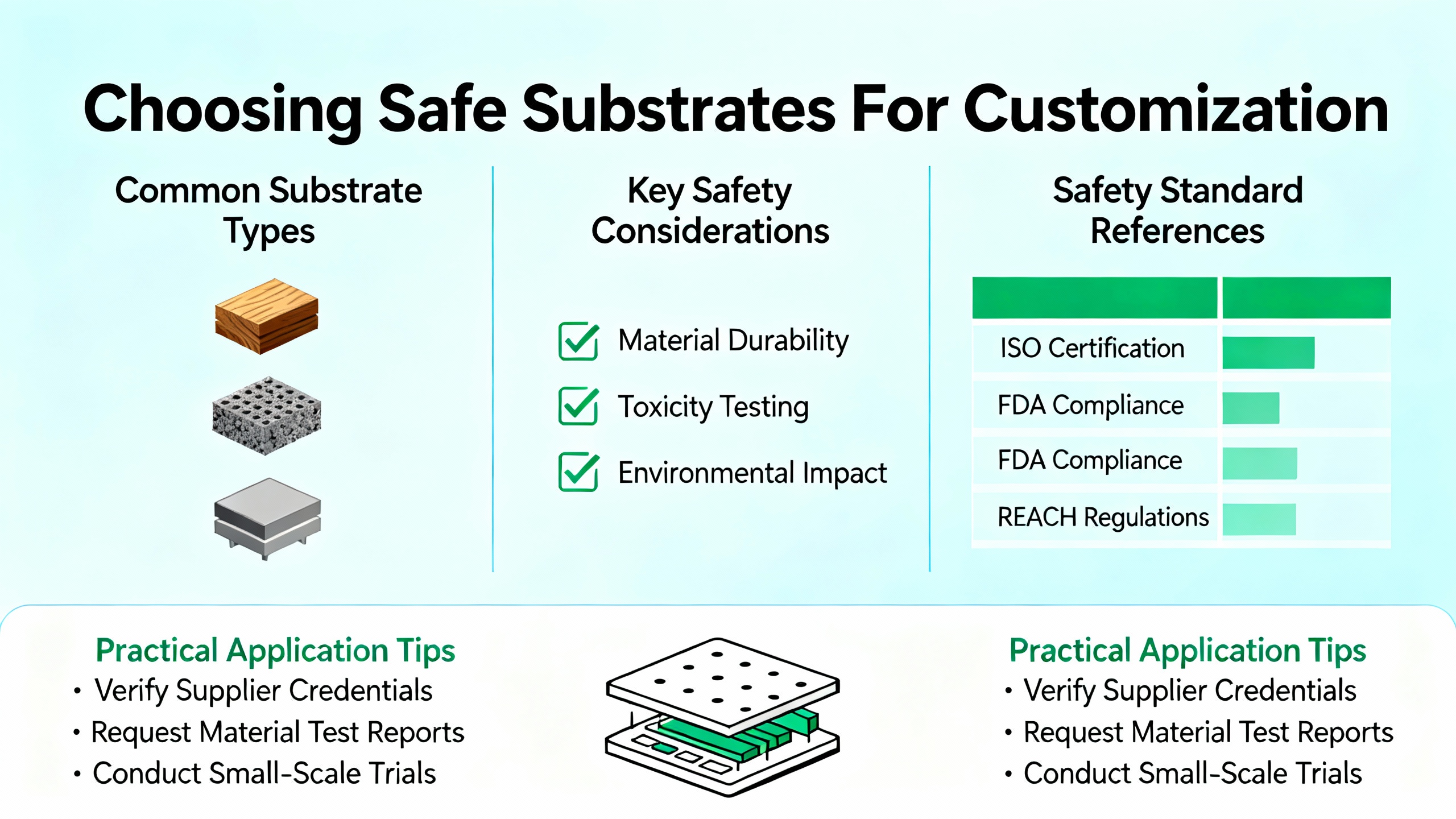
For custom drinkware, you are picking both a safety profile and a print canvas. Different materials influence taste, durability, insulation, and how print methods adhere.
Glass: Pure Taste, Desk-Perfect, Handle With Care
Glass is chemically inert and taste-neutral, a frequent top pick for purity by Branch Basics and Everyday Health. It doesn’t leach microplastics or phthalates and cleans easily. The drawback is breakability. Silicone sleeves mitigate drops without adding off-flavors. For filtration-friendly glass designs, Black+Blum notes that a steel coil is required to secure a Binchotan charcoal stick, preventing rattling and stress in the glass. That kind of simple safety detail is exactly what customers remember; include it on your PDP and insert card.
Stainless Steel: Durable, Insulated, And The Lead-Seal Question
Food-grade stainless steel stands out for durability and temperature retention. Everyday Health calls it a win-win for health and flavor stability, and testers at The Strategist, Wirecutter, and CNN Underscored consistently rate insulated steel bottles highly for real-life usability. The practical caveat is the legacy use of lead in some vacuum-seal processes; leading brands isolate it under a bottom disc, while others, such as Hydro Flask, have adopted lead-free seals. Branch Basics also cautions that very hot or acidic liquids could increase leaching risk if poor manufacturing exposes internal solder; the operational fix is to source from manufacturers with proven, published materials tests and to advise customers to avoid filling stainless bottles with hot acidic beverages unless the maker explicitly approves it.
There’s a niche consideration about metals and electromagnetic fields noted by Branch Basics: some consumers prefer glass to avoid concentrating RF energy near stored water. If you serve wellness-focused segments, a brief, honest footnote acknowledging that preference can earn trust.
BPA‑Free Plastics Including Tritan: Lightweight And Affordable, With Boundaries
BPA-free plastics, including branded copolyesters like Tritan, offer impact resistance and low weight—useful for ultralight hiking and kids’ gear. GoodStuff references taste advantages when plastics are high quality and well maintained, and Everyday Health warns that even BPA-/phthalate-free plastics can shed microplastics and that heat can accelerate component loss. Branch Basics emphasizes that BPA-free is not risk-free and that substitutes can act like endocrine disruptors. In practice, plastics are best framed as situational tools: ideal when weight, cost, or squeezability matters, and safe when used cool, cleaned gently, and replaced at the first sign of wear.
Silicone And Collapsible Designs: Travel Specialists
Silicone bottles excel at travel portability and compact storage. Everyday Health describes silicone as a nontoxic polymer that resists leaching under heat and cold. BottlePro notes the importance of lid design, since many “plastic-free” claims fail at the cap interface. If your value prop includes plastic-free water contact, be explicit that the beverage side touches only stainless steel, glass, and silicone.
Material Comparison At A Glance
Material | Safety Profile (sources) | Standout Pros | Known Tradeoffs | Personalization Fit |
|---|---|---|---|---|
Glass | Inert, taste-neutral; no microplastic leaching (Branch Basics; Everyday Health) | Clean flavor; easy to sanitize; premium feel | Breakable; heavier; requires sleeves for daily carry | Excellent for UV print; etch for upscale look |
Stainless steel | Durable, non-corrosive; insulation; verify lead-free seals (Everyday Health; Branch Basics) | Temperature retention; rugged; outdoor-friendly | Potential legacy lead in vacuum seals; heavier | Laser engraving shines; powder coat improves ink adhesion |
BPA-free plastic (e.g., Tritan) | BPA-free reduces one risk; substitutes and microplastics remain concerns; avoid heat (Branch Basics; Everyday Health; Culligan) | Lightweight; affordable; kid- and sport-friendly | Heat/UV accelerate wear and leaching; taste carryover possible | Screen/UV print works; keep ink away from rim |
Silicone | Nontoxic polymer; good heat stability (Everyday Health; BottlePro context) | Collapsible; travel-ready; impact-proof | Softer feel; not for long hot-hold; form factor limits | Deboss or external wrap branding; keep water-contact silicone-only |
Printing, Engraving, And Coatings Without Compromising Safety
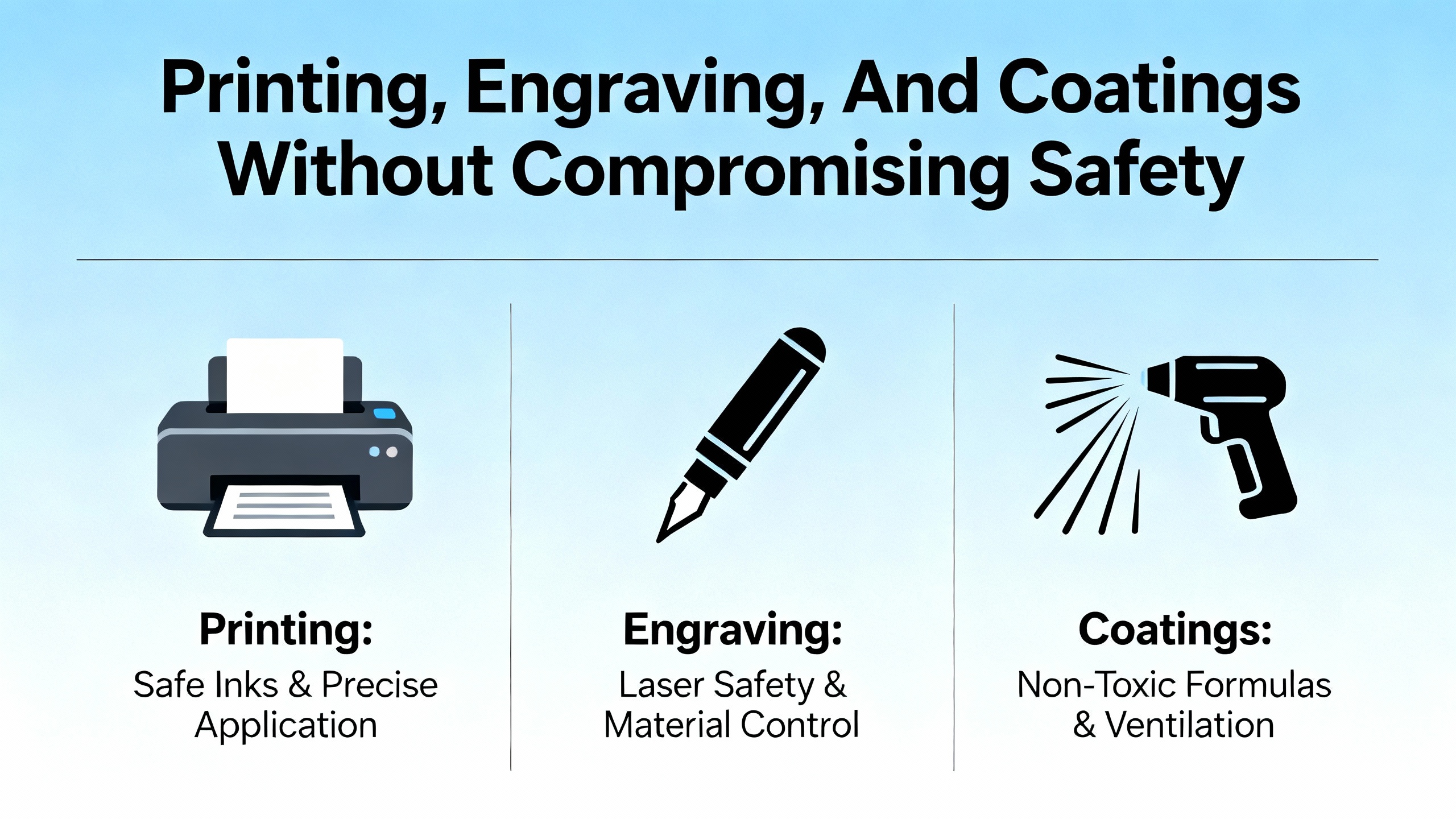
The safest default is to keep decorative layers off the rim and any surface that regularly touches the mouth or beverage. In practice, that means exterior-only printing, sufficient cure times, and, on steel, a powder-coated base layer that reduces chipping and makes color accurate. Laser engraving on stainless steel avoids inks entirely and is robust for dropshipping. On glass, light etching or ceramic ink with a manufacturer’s food-contact data sheet builds confidence. This guidance aligns with the general principle from IP Products that food-contact materials are regulated; if a decorative finish is anywhere near beverage contact, ask the supplier for food-contact documentation. When I help founders vet vendors, I request a single PDF packet: metal grade, seal method, and recent third-party reports covering lead, cadmium, BPA/BPS/BPF, and overall FDA food-contact compliance. That packet de-risks customer questions and accelerates marketplace approvals.
Filters, Accessories, And What To Avoid
Add-ons can increase average order value, but they must be safe and compatible. Black+Blum’s Binchotan charcoal filter illustrates the level of detail customers appreciate: the brand instructs glass users to add a steel coil that keeps the charcoal stable and reduces rattling and stress in the vessel. This is the kind of accessory upsell that belongs in your bundle builder, with a short care line in your instruction card.
Straw lids and flip caps are popular, but they can hide gunk. Wirecutter notes that complex lids require more thorough cleaning and replacement parts should be easy to buy. CNN Underscored stresses drinkability and leak testing under inversion and jostling. If your audience is skewed toward kids and athletics, prioritize lids that disassemble for cleaning and publish cleaning steps on the PDP in plain English.
What Product Testers Teach Us About What Sells
Editors at The Strategist and testers at Wirecutter repeatedly highlight the same practical themes: one-handed operation while driving, lockable lids that actually prevent spills, and straw systems that encourage sipping and therefore higher intake. CNN Underscored’s testing adds durability and cleaning ergonomics, noting that after about 12 hours most insulated bottles perform similarly on temperature retention, so day-to-day usability becomes the tie-breaker. OutdoorGearLab’s methods reinforce closure reliability, insulation, ergonomics, and material quality with drops, leak tests, and heat checks. For a seller, the implication is simple: lead with use cases and lid ergonomics in your product description—customers buy outcomes, not just materials.
Merchandising The Right Capacities And Lids
Customers intuitively sort sizes by scenario. Golmate’s guide frames small bottles at 16–20 fl oz as packable, medium at 24–32 fl oz for daily use, and large at 40+ fl oz for long workdays and hikes. Everyday Health echoes that capacity should match carry constraints like cup holders and backpack sleeves. Families and coaches often seek drop-resistant 12 fl oz kids’ bottles for school and 20–32 fl oz insulated steel for sports. The Strategist calls Hydro Flask a durable, widely-loved insulated steel option, while Wirecutter profiles the Owala FreeSip Sway as a one-handed, lockable straw/chug hybrid that resonates with parents. These editorial cues help you choose your default variants and the lids to stock.
If you personalize, combine sizes and lids deliberately: a laser-engraved 20 fl oz steel with a standard screw cap for corporate gifts and a UV-printed 32 fl oz with a straw lid for fitness creators. Based on typical DTC experience, this kind of pairing reduces returns and clarifies the use case at a glance. Confidence: medium.
A Practical Safety Checklist For Your PDP And Insert Card
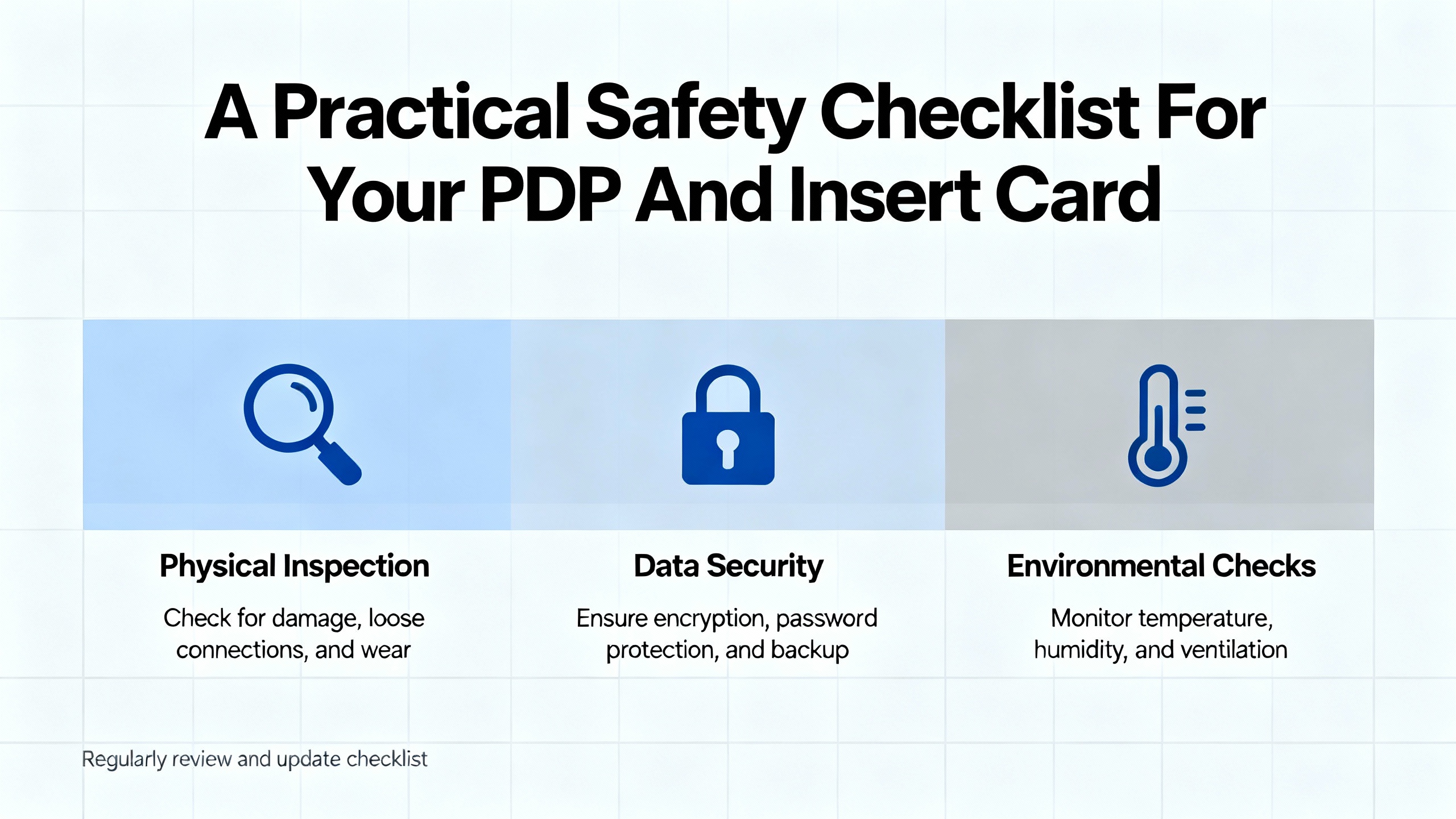
Customers buy faster when they know how to use and care for a bottle safely. Everyday Health warns against dishwashing plastics because heat accelerates component loss; hand-wash plastics in cool water. Clean Water In Homes recommends mild detergent, warm water for steel and glass, avoiding abrasive brushes, air-drying with lids slightly ajar, and replacing bottles that show cracks or discoloration. Branch Basics and Culligan underscore avoiding heat and sunlight for plastic bottles, keeping them out of hot cars, and replacing worn plastics. From BottlePro’s lid guidance, if your brand promises plastic-free water contact, specify the lid model and materials that achieve that. Close your insert with a simple line about inspecting the external bottom disc on insulated steel; if it is compromised, stop use and contact support. Confidence: high for cited care practices, medium for the disc inspection instruction.
Compliance And Documentation You Should Require
Health-forward shoppers increasingly ask for proof. Branch Basics advocates third-party testing and publishing results, especially for lead, cadmium, and bisphenols; they also note that children are especially vulnerable to heavy metals. IP Products reminds that the FDA regulates food-contact materials; a vendor’s statement of compliance and corresponding lab results are table stakes. REI’s category guidance implies verifying not only “BPA-free” but “BPS/BPF-free” to avoid the common swap. When you list a bottle as lead-free stainless steel, back it with a test report, and if any component uses a sealed lead process, say so clearly, explain the seal, and provide a path to replacement if it becomes damaged. It is not only safer; it also produces fewer returns and better reviews.
Innovation Worth Considering For Premium SKUs
Two modern ideas resonate with tech-leaning buyers. LARQ’s UV-C self-cleaning claim of up to 99.9% germ neutralization and LifeStraw’s integrated filter for bacteria, parasites, and microplastics are highlighted by Clean Water In Homes. If you list these capabilities, keep the product copy constrained to what the manufacturer claims, include a short statement about intended use, and avoid implying potability from unknown sources unless the filter is rated for it. Confidence in consumer appeal: high; confidence in unit economics for dropship depends on supplier terms: medium.
Care, Warranty, And Returns That Reduce Support Tickets
Customers commonly ask about dishwashers, stoves, and freezers. The safest cross-material policy is to hand-wash lids, avoid freezers and microwaves for any bottle, and keep plastics out of dishwashers and hot environments. Clean Water In Homes suggests storing bottles with lids slightly open; it prevents odors. OutdoorGearLab and editorial testers reinforce periodic deep-cleaning and straw maintenance. Include a 12-month workmanship warranty focused on lid failures and coating defects; Wirecutter’s testers note that spring mechanisms wear with time, so offering replacement lids for a reasonable price improves satisfaction and keeps bottles in use.
Pricing, Margins, And Packaging For On‑Demand Personalization
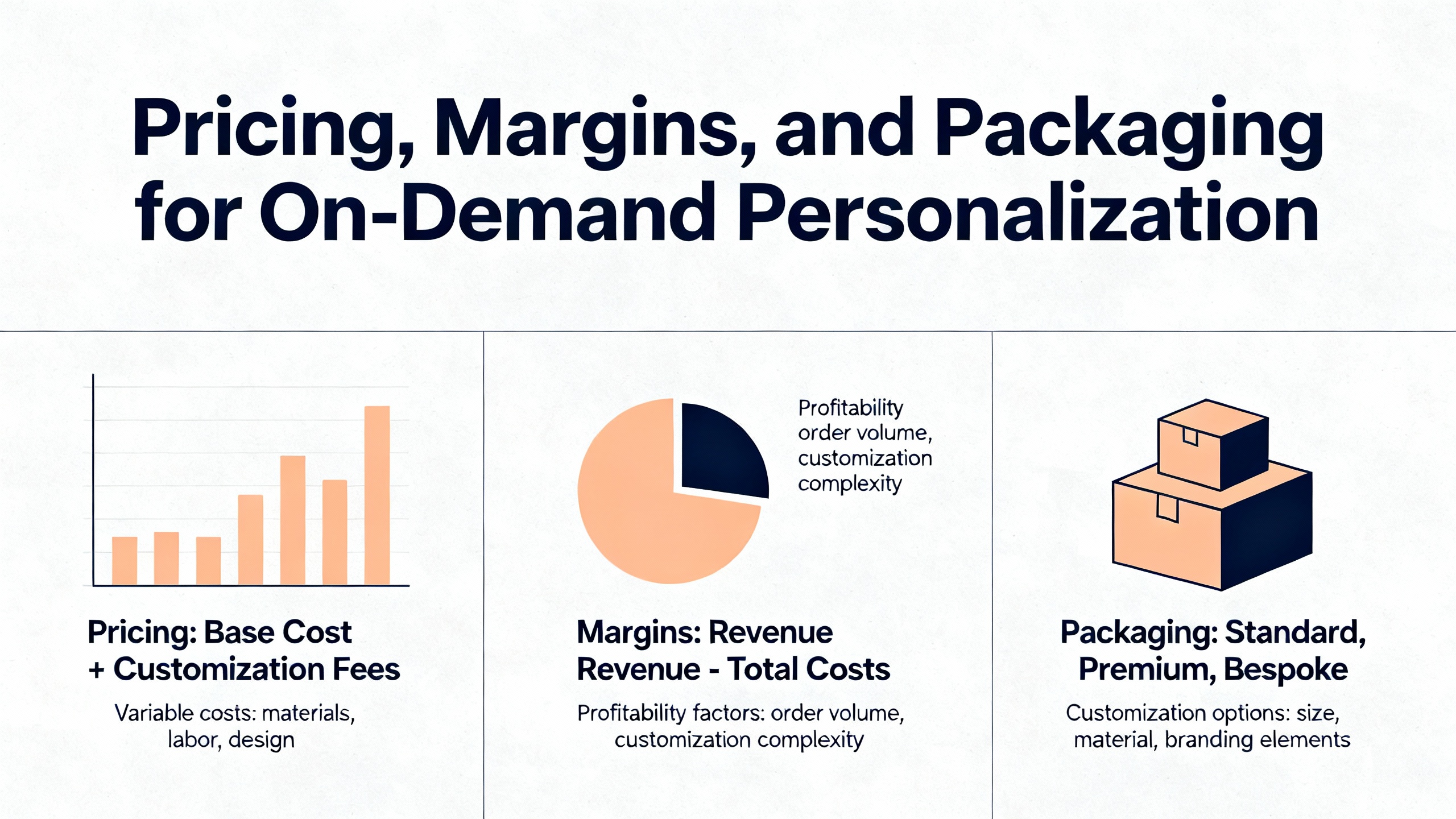
From a practical merchant perspective, your margin levers are material selection, finish complexity, and personalization coverage area. Laser engraving on stainless steel is fast, durable, and typically less prone to returns than full-color wraps, which can chip during mishandling. For dropshipping, a recyclable kraft carton with a molded paper or cardboard insert adds protection without foam and aligns with the sustainability story customers expect from a reusable bottle. These operational recommendations reflect common e-commerce practices; exact margin impact varies by supplier and channel. Confidence: medium.
A Short Word On Brands And Trends Your Customers Already Know
Hydro Flask, Yeti, Owala, Nalgene, and Klean Kanteen appear frequently in editor tests from The Strategist, Wirecutter, CNN Underscored, and OutdoorGearLab. Referencing these brands’ well-known strengths in your comparison copy—durability, insulation, or kid-friendliness—helps shoppers anchor your own private-label options without overpromising. Nalgene’s positioning as “the original, BPA-free” is widely recognized; if you sell Tritan-based items in that lane, be transparent about care boundaries and stress the lightweight advantage.
Takeaway: The Playbook For Safe, Personalized Hydration
The winning SKU mix blends materials to fit real use cases, prints and engraves with safety in mind, and answers care and compliance questions up front. Anchor your collection with lead-free stainless steel where possible, add a premium glass line with sleeves for the flavor purists, and reserve BPA-free plastics for ultralight or kid-centric designs accompanied by heat-avoidance guidance. Pair each with a lid that matches the job to be done, publish your testing, and keep replacements easy to buy. Do these things consistently and your personalization options won’t just look great; they’ll be credibly safe and hard to return.
FAQ
Q: Are BPA‑free plastic bottles completely safe for daily use? A: “BPA‑free” removes one known risk, but substitutes like BPS and BPF can behave similarly according to Branch Basics. Everyday Health adds that plastics can shed microplastics and that heat accelerates component loss. If you must choose plastic, use it with cool liquids, avoid heat and direct sun, hand-wash in cool water, and replace at the first sign of wear.
Q: How can I verify that a stainless steel bottle is lead‑free? A: Ask suppliers for documentation on the vacuum-seal method and recent third-party heavy metal tests. Branch Basics notes that some brands historically used lead in seals but isolate it behind a bottom disc, while Hydro Flask adopted a lead-free seal in the early 2010s. If a seal uses lead but is fully encapsulated, communicate that clearly and advise customers to stop use if the bottom disc is damaged.
Q: Which size and lid combinations sell best in on‑demand personalization? A: Editorial tests from The Strategist, Wirecutter, and CNN Underscored suggest customers love one-handed, lockable straw lids for commuting and parenting, with 24–32 fl oz as the daily sweet spot and 12 fl oz for kids. For corporate gifting and minimal-maintenance merch, a 20 fl oz laser‑engraved screw-cap steel bottle consistently converts. Confidence: medium, based on patterns across cited editor picks and common DTC practice.
Q: Can I put my custom bottle in the dishwasher? A: Stainless steel bodies are often dishwasher-tolerant depending on coatings, but lids should be hand-washed. Everyday Health advises against dishwashing plastics because heat accelerates leaching risk. Clean Water In Homes recommends mild detergent, no abrasives, air-drying, and storing with lids slightly ajar to prevent odors.
Q: Do metal bottles affect water via electromagnetic fields? A: Branch Basics mentions that metals can concentrate high-frequency fields; some consumers prefer glass for this reason. This is an edge case with limited everyday impact for most users; offer both glass and stainless options so customers can choose. Confidence: low-to-medium given limited consensus in mainstream product testing.
Q: What about adding filters or charcoal sticks to personalized bottles? A: Filters add value but must be compatible and secured. Black+Blum recommends a steel coil to stabilize Binchotan charcoal in glass; it reduces rattling and stress. Always confirm accessory compatibility per model and include the instruction in your packaging.
References Noted In This Guide
Branch Basics; Everyday Health; Culligan; Black+Blum; Lead Safe Mama; The Strategist; Wirecutter; CNN Underscored; OutdoorGearLab; REI; BottlePro; Clean Water In Homes; Golmate; GoodStuff; IP Products.
References
- https://www.bottlepro.net/hydration-blog/what-is-the-safest-water-bottle-material-7-materials-ranked
- https://nalgene.com/?srsltid=AfmBOopSoWpoYqUAD8cIUdN6GaJCVaUi6sWblhMmQtKGyqP1VWZBDPMl
- https://blackblum.com/collections/water-bottles?srsltid=AfmBOooIwaZChKQ9Io4DY2918OmnVS52BTj9kC7uXdM7ofscZf7zrdY9
- https://www.bonappetit.com/story/best-water-bottles?srsltid=AfmBOoox8ahUbyoKknQe5U26kUGwsicnW9XVm-cXYEcrNDNRvjno6Np8
- https://cleanwaterinhomes.com/bpa-free-water-containers/
- https://www.culligan.com/blog/bpa-water-bottle-meaning
- https://golmate.com/bpa-free-water-bottles-safe-sustainable-and-stylish-hydration-solutions/
- https://goodstuff.co/find-the-best-bpa-free-water-bottles-for-a-healthier-hydration/
- https://ipproducts.com/comprehensive-guide-to-water-bottles/
- https://www.rei.com/s/bpa-free-water-bottles