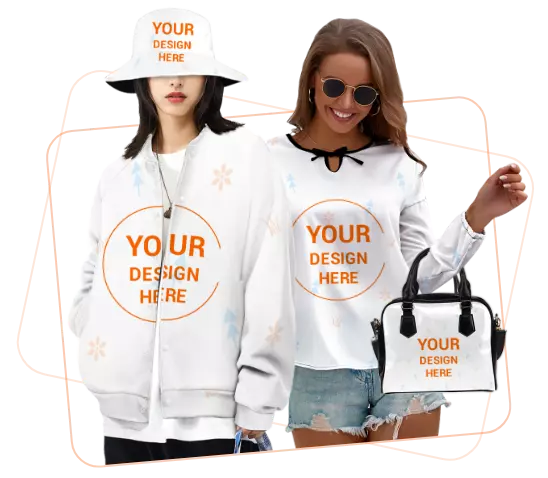


Personalized Sweatshirts: Create Unique Custom Clothing
Personalized sweatshirts are having a moment because they deliver identity, comfort, and commerce in a single product. As a mentor to founders in on‑demand printing and dropshipping, I’ve seen customized fleece become a high‑conversion hero when executed thoughtfully. The value is bigger than logos on cotton. It is about translating mood and mission into a garment people reach for every week, then telling that story clearly on a product page so it converts without a salesperson. This article distills practical guidance on design, production methods, fit and fabric, sustainability, and post‑purchase care—grounded in reputable sources and hands‑on workflow—from concept to cart to long‑term wear.
What “Personalized” Really Means for Sweatshirts
Personalization is not only a name on a chest. It encompasses design intent, decoration method, fit preferences, and the emotional message your piece carries. Fashion Week Online emphasizes the power of details to express identity, from color choices to proportion play, while a perspective on “intuitive dressing” argues that clothing is a bridge from inner world to outer world and a canvas for mood. Taken together, these ideas reinforce why a sweatshirt is an ideal personalization platform: big, visible surfaces for art, reliable comfort that keeps rotation high, and multiple touch points for subtle detail. Sumissura and The Artyologist both advocate for style clarity through moodboards and a personal style mission, which is precisely the upstream work that makes a customized sweatshirt feel “right” rather than random.
For retailers, personalization also includes how the shopper co‑creates. That can mean monograms, varsity‑style lettering, a small symbol on a cuff, or a bold back graphic with values forward. Intelistyle’s work on fashion personalization frames the broader point: tailor the experience and the product to the person. The sweatshirt is the most forgiving canvas to start.
Personalization Methods That Work on Sweatshirts
Screen printing, embroidery, direct‑to‑garment (DTG), heat transfer, and dye‑sublimation are the most common routes. Northwest Custom Apparel explains where each method excels. Printful’s embroidery guidance adds practical texture and positioning considerations. WikiHow’s DIY coverage complements these with fabric‑safe paints, dye techniques, and after‑care for customized garments.
Screen printing creates vibrant, durable results and shines when designs use fewer spot colors and you need consistency across larger batches. Setup exists, so unit economics improve as quantities grow. Embroidery stitches colored threads directly into fabric for a textured, premium look that lasts; it reads professional and upscale, especially for logos and monograms on heavier fleece. DTG prints full‑color, highly detailed artwork with no setup fees and is economical for small runs or frequent one‑off personalization. Heat transfer, whether vinyl or digital, is versatile for complex art and small orders, but the print can feel stiffer compared with screen printing or embroidery. Dye‑sublimation is a specialized option that bonds dye to polyester; it is best when you want all‑over effects on poly‑rich blanks. Those method strengths are consistent with Northwest Custom Apparel and Printful.
DIY embellishment can elevate one‑of‑one sweatshirts. WikiHow outlines safe approaches for fabric paint, appliqué, patches, and reverse dye. If you pursue bleach effects or heat‑applied motifs, follow the safety and product instructions carefully and test on a scrap or inconspicuous area first.
Quick Comparison: Picking a Decoration Method
Method | Best For | Art Complexity | Batch Size | Handfeel | Durability | Notable Constraints |
|---|---|---|---|---|---|---|
Screen Printing | Bold brand graphics and teamwear | Lower color counts excel | Medium to large | Soft when well executed | Very good | Setup and per‑color constraints per Northwest Custom Apparel |
Embroidery | Logos, monograms, badges | Simple shapes and text | Any | Textured, premium | Excellent | Fine detail and gradients limited; per Printful and Northwest Custom Apparel |
DTG | Photographic or intricate art | High detail, full color | One‑offs to small runs | Soft on the fabric | Good with proper care | Best on cotton‑rich blanks; no setup, per Northwest Custom Apparel |
Heat Transfer | Small runs, “tricky” art | High complexity | One‑offs to small runs | Can feel stiffer | Good if applied correctly | Comfort/handfeel trade‑off; per Northwest Custom Apparel |
Dye‑Sublimation | All‑over prints on poly | Any patterning | Any | In‑fabric color | Excellent | Requires polyester fabrics; per Northwest Custom Apparel |
This table synthesizes method guidance from Northwest Custom Apparel and the embroidery perspective from Printful. If your audience expects a boardroom‑ready finish, embroidery on heavyweight fleece will communicate the quality you want. If your brand is art‑driven with color gradients and limited edition drops, DTG often delivers the flexibility and detail without setup friction.
Design Principles That Make Sweatshirts Look Premium
Good customization is as much about composition as it is about ink or thread. HerStyle’s three design principles—balance, repetition, and harmony—translate well to sweatshirts. Balance distributes visual weight so a large chest motif is anchored by a sleeve detail or color echo at the hem. Repetition uses a color, line, or motif in one or two places to create unity without becoming matchy. Harmony aligns the art, silhouette, and wearer so the garment does not dominate the person. Fashion Week Online’s tips on color psychology reinforce why red can feel energetic and strong or why pastels suggest calm, which matters when your product photos need to convey mood in a second.
Borrow a page from Vogue’s capsule philosophy. If your store line‑up offers a few timeless, mix‑and‑match sweatshirts in core neutrals, you can sell personalized accents and limited art runs on that backbone without overwhelming shoppers.
Personalization Ideas That Actually Sell
Meaningful words and symbols convert because they carry identity and story. A statement piece highlighted by Self‑Made Couture shows how message‑forward design can marry purpose and style. You can adapt this power to sweatshirts with a hand‑lettered motto on the back, a small emblem on a cuff, or coordinates of a hometown at the hem. Marie Claire documented a creative comeback in DIY customization—beading, painting, and embroidery. Applied sparingly on a sweatshirt, it becomes a quiet signature rather than a busy collage. From The Artyologist and Sumissura comes the reminder to write a style mission and then serve it: if your customer is “Unconventional Classic with a Dash of History,” think collegiate typography in a historical serif, a subtle crest at the chest, and an archival reference in the back neck print.
Accessories finish the look, which the Fashion Week Online piece frames as part of personalization. Consider pairing your sweatshirt photography with repeatable accessories—signature tote, a favorite hat—to help buyers visualize the outfit and increase basket size.
From Concept to Cart: A Practical Workflow
Start with purpose and audience the way Northwest Custom Apparel advises. Is this sweatshirt meant to unify a team at an event, sell as limited art, or reward loyalty? That intent will drive fabric, method, and margin requirements. Move into planning with a lightweight brief. SNAG’s step‑by‑step approach—define personal style, set goals, research inspiration—fits for brands too. Sketch the silhouette and print placements. If you are not a technical illustrator, simple flats with callouts are enough to align your production partner.
Use mockups to reduce surprises. Northwest Custom Apparel highlights the standard workflow of digital mockups followed by client approval before production. For artwork, prepare vector files for screen printing or embroidery and high‑resolution raster files for DTG, as they recommend. If you have complex construction questions or want a luxury‑grade finish, a professional clothier’s service lens from Q Clothier can help you translate concept to precise measurement and material choices, even if you ultimately produce through print‑on‑demand.
To compress sampling time and cut waste, Style3D and similar 3D tools enable fabric simulation and real‑time edits. That lets you preview drape and scale on a body before you commit. Based on the Style3D overview, 3D/AI prototyping is especially useful for entrepreneurs without large budgets because it reduces physical samples and speeds revisions. This point is consistent with the toolmaker’s framing of accessibility and sustainability.
Fabric, Fit, and Construction Choices That Matter
Fabric determines both comfort and print compatibility. A cotton‑rich fleece usually plays best with DTG and screen printing; a polyester‑rich blend is required for dye‑sublimation according to Northwest Custom Apparel. French terry reads lighter and more breathable for transitional seasons, while brushed fleece reads plush and cozy. When you position embroidery, the heavier the fleece, the better it carries a satin stitch without distortion, which lines up with Printful’s positioning of embroidery as a premium, durable choice.
Fit communicates brand identity. Classic fits are approachable for corporate programs and teams. Drop‑shoulder and oversized silhouettes trend art‑forward and suit streetwear. This guidance is an inference from style sources that celebrate personal identity and capsule wardrobes; confidence is high that fit cues influence perceived style.
Construction details let you personalize beyond the obvious. A back neck print, a small woven label on the hem, or a tonal sleeve script are small touches that deliver delight without complicating production.
Pricing, Margin, and Positioning in POD
Personalized sweatshirts sell at prices tied to perceived craft and meaning rather than decoration alone. Embroidery and multi‑location prints increase cost but often justify a premium when the story and presentation are strong. This is practical advice from mentoring founders rather than a published benchmark; confidence is high on direction, not on specific price points. In a dropshipping workflow, order a sample first to validate color, handfeel, and sizing scale. Present SKUs with crisp naming that signals method and story, for example, “Heritage Crest Embroidered Fleece” or “Night Garden DTG Oversized Sweatshirt,” so shoppers understand what they are paying for.
Quality Control and Risk Management
Northwest Custom Apparel stresses file preparation and mockups as guardrails. Add wash testing to your process before launch; WikiHow’s care guidance suggests washing custom items inside‑out on gentle, in cold water, and line drying to preserve prints and embellishments. If you sell heat‑applied motifs, include a note in care instructions about avoiding high heat. For embroidery, protect the inside with soft backing on pieces for sensitive skin. Include a banner on the product page about small color variation across screens so expectations are set before checkout; this is mentorship‑based guidance with high confidence as a best practice.
Sustainability and Modular Thinking
MIT CSAIL’s “Refashion” project demonstrates that modular, reconfigurable garments extend life through reversible connectors and panels. While sweatshirts are not built from modular panels today, you can borrow the logic. Think detachable patches secured with reversible fasteners, replaceable chenille letters, or upgradable back panels produced as limited drops. Style3D’s digital workflow reduces material waste by cutting physical sampling, aligning with sustainability goals. Both insights are grounded in MIT CSAIL’s research summary and Style3D’s tooling perspective.
Care and Maintenance for Longevity
Care drives customer satisfaction and repeat purchase rates because a favorite sweatshirt is worn weekly. WikiHow recommends practical habits that apply here. Advise customers to wash inside‑out, use cold water on gentle settings, and line dry to preserve color and adhesives. Suggest avoiding fabric softeners before applying any DIY dye or paint, and encourage testing paints and adhesives on scraps. For embroidery, normal washing is typically safe, and for screen printed art, a low‑heat tumble is often acceptable, but line drying preserves finish better over time. These are generalizations from garment customization guidance; confidence is high for direction and care logic, not for brand‑specific guarantees.
Buying Tips for Consumers
Start with purpose because use case dictates method. Northwest Custom Apparel’s matrix can guide you. Choose embroidery when you want a refined, durable, textured mark that reads premium. Pick DTG when artwork is intricate and quantities are low. Use screen printing when you want bold color, lasting wear, and you are producing at scale. Ensure the fabric composition suits the method; polyester‑rich blanks are essential for dye‑sublimation. Ask the seller for a mockup and confirm whether the art was prepared in vector for line‑based work or high‑resolution raster for image‑based designs, aligning with the file prep advice from Northwest Custom Apparel. If you are particularly sensitive to handfeel, inquire about the layering method because heat transfer can feel stiffer than other options, as that source cautions. Finally, check the size chart and the return policy even if you usually wear the same size; minor silhouette differences matter with fleece.
Common Pitfalls and How to Avoid Them
Overdecorating is the fastest way to cheapen a sweatshirt. HerStyle warns against clustering detail in one area; distribute interest so the eye moves. Repeating a color or motif once is often enough; more repetition risks looking contrived. Another pitfall is method mismatch, such as highly detailed watercolor art forced into embroidery, which seldom works. Use DTG for that art instead, per Northwest Custom Apparel’s rationale. A third pitfall is ignoring harmony with the wearer. If your buyer’s style skews minimalist, offer tonal embroidery on a neutral base rather than a multicolor chest print. These fixes are rooted in the design and method references cited above.
Case Snapshots and Inspiration
Message‑driven garments can be powerful when purpose and design align, as the Self‑Made Couture example shows with values‑forward tailoring. Translate the same intent to fleece with a clear, legible statement set in a typeface that echoes your brand voice. The Marie Claire account of customization trends notes a creative wave of embroidery, beading, and painting. Bring that spirit to sweatshirts with a tasteful sleeve beading accent or a hand‑painted micro motif scaled for longevity. The Artyologist and Sumissura both remind makers to define a style mission and filter what does not fit. When you filter well, you produce fewer, better designs that customers love wearing on repeat, which dovetails with Vogue’s capsule wardrobe recommendation to build around quality staples.
Frequently Asked Questions
How do I choose between embroidery and DTG for my sweatshirt design? Choose embroidery when you want a textured, long‑lasting, professional look with simpler shapes and text. Choose DTG when your art is intricate, full‑color, or gradient‑heavy and you plan to sell smaller batches without setup fees. This aligns with Northwest Custom Apparel’s method guidance and Printful’s embroidery positioning.
Will a heat‑transfer design feel different from screen printing or embroidery? Yes. Northwest Custom Apparel notes that heat‑transfer prints can feel stiffer than screen printing or embroidery. If handfeel is a priority, either adjust placement to lower‑contact areas or choose a different method.
What fabric works best for dye‑sublimation? Polyester‑rich blanks are required for dye‑sublimation to bond color well, according to Northwest Custom Apparel. If your brand identity demands natural handfeel and you prefer cotton, use DTG or screen printing instead.
How should I care for customized sweatshirts so the personalization lasts? Wash inside‑out on gentle using cold water, and line dry to preserve dyes, paints, heat‑applied motifs, and prints. These practices are consistent with WikiHow’s customization care guidance. Embroidery generally tolerates normal laundering well, but gentler cycles still extend life.
Is there a simple rule for placing graphics so the sweatshirt looks balanced? Distribute visual weight so the eye travels. Use one focal area and echo a color or small mark elsewhere for cohesion. This follows the balance and repetition principles highlighted by HerStyle. If you are torn between placements, create two mockups and choose the one where you notice the person first, not the print.
Can I prototype designs without making physical samples? Yes. Style3D shows how AI‑driven 3D tools simulate drape, scale, and fit so you can iterate digitally, reduce waste, and speed decisions before ordering a physical sample.
Takeaway
Personalized sweatshirts succeed when three forces meet: a clear style mission that makes the design feel inevitable on the wearer, a production method matched to fabric and art, and a buying experience that sets accurate expectations and teaches care. The method matrix from Northwest Custom Apparel, the premium signal of embroidery emphasized by Printful, the creative personalization playbook from Fashion Week Online and Marie Claire, the planning discipline from SNAG and Q Clothier, and sustainability and prototyping insights from MIT CSAIL and Style3D give you a robust foundation. Start with purpose, translate it into an elegant, balanced composition, choose the right method for your fabric and art, validate with a sample, and teach your customer how to care for what they co‑created. Do this consistently and you will convert better, retain longer, and build a sweatshirt line that feels uniquely yours.
Confidence note on inferences: Pricing and naming guidance, along with some fit positioning suggestions, reflect mentorship practice rather than a published benchmark; confidence is high on direction, not on specific numerical outcomes. All technical method, care, and design principles are grounded in the cited publishers.
References
- https://news.mit.edu/2025/refashion-software-designs-eco-friendly-clothing-that-can-reassemble-new-items-1017
- https://cs231n.stanford.edu/2024/papers/dress-up-a-deep-unique-personalized-fashion-recommender.pdf
- https://nwcustomapparel.net/the-process-of-making-your-own-custom-clothes/
- https://fashionweekonline.com/6-tips-for-using-fashion-details-to-personalize-your-style
- https://www.printful.com/custom-clothing
- https://www.wikihow.com/Customize-Clothes
- https://www.gennychia.com/blog/how-to-dress-your-personality-style
- https://www.intelistyle.com/fashion-personalisation-the-ultimate-guide/
- https://outfitsstyling.com/7-beat-tips-for-creating-a-awesome-sense-of-individual-style/
- https://www.refinelife.studio/blog/129873