

Slub Fabric: What It Is, Types, Benefits & Best Uses

Slub Fabric: What It Is, Types, Benefits & Best Uses

Jul 29, 2026 by Gina POD Products Ideas

Key Takeaways

  • Slub fabric gets its distinctive texture from uneven yarn, rather than a specific fiber, so its feel and performance can vary by material.
  • Cotton, linen, rayon, polyester, and other fibers can all be used for slub fabric, with different options suited to different apparel needs.
  • For POD sellers, slub T-shirts are an easy starting point, while tanks, hoodies, linen apparel, and kids' clothing open up different product opportunities.
  • DTG, screen printing, and embroidery can all be options for slub apparel, but the right choice depends on the fabric, artwork, and order volume.
  • Slub and regular cotton each have their place: choose slub when the blank contributes to the product concept, and regular cotton when print consistency is the priority.

Slub fabric is known for its slightly uneven texture, which gives T-shirts and other apparel a more relaxed, natural look than smooth, uniform fabrics. But what exactly creates that texture, and how does it compare with regular cotton when it comes to comfort, appearance, and printing?

This guide covers the basics of slub fabric, from how it's made and the different types to its pros and cons, printing considerations, and the best ways to use it in custom apparel.


What Is Slub Fabric?

Slub fabric is a textile made with slub yarn, a type of yarn that has intentionally uneven thickness. These thicker and thinner sections create the small irregularities and subtle texture you can see across the surface of the fabric.

One important thing to know is that slub does not describe the fiber itself. It describes the texture created by the yarn. Slub fabric can be made from cotton, linen, rayon, polyester, wool, or blends, so its softness, breathability, weight, and durability can vary depending on the material.

This is also why two slub fabrics can feel very different. A cotton slub T-shirt may feel soft and breathable, while a polyester slub fabric may be more durable and resistant to wrinkles.

What Are the Benefits of Slub Fabric?

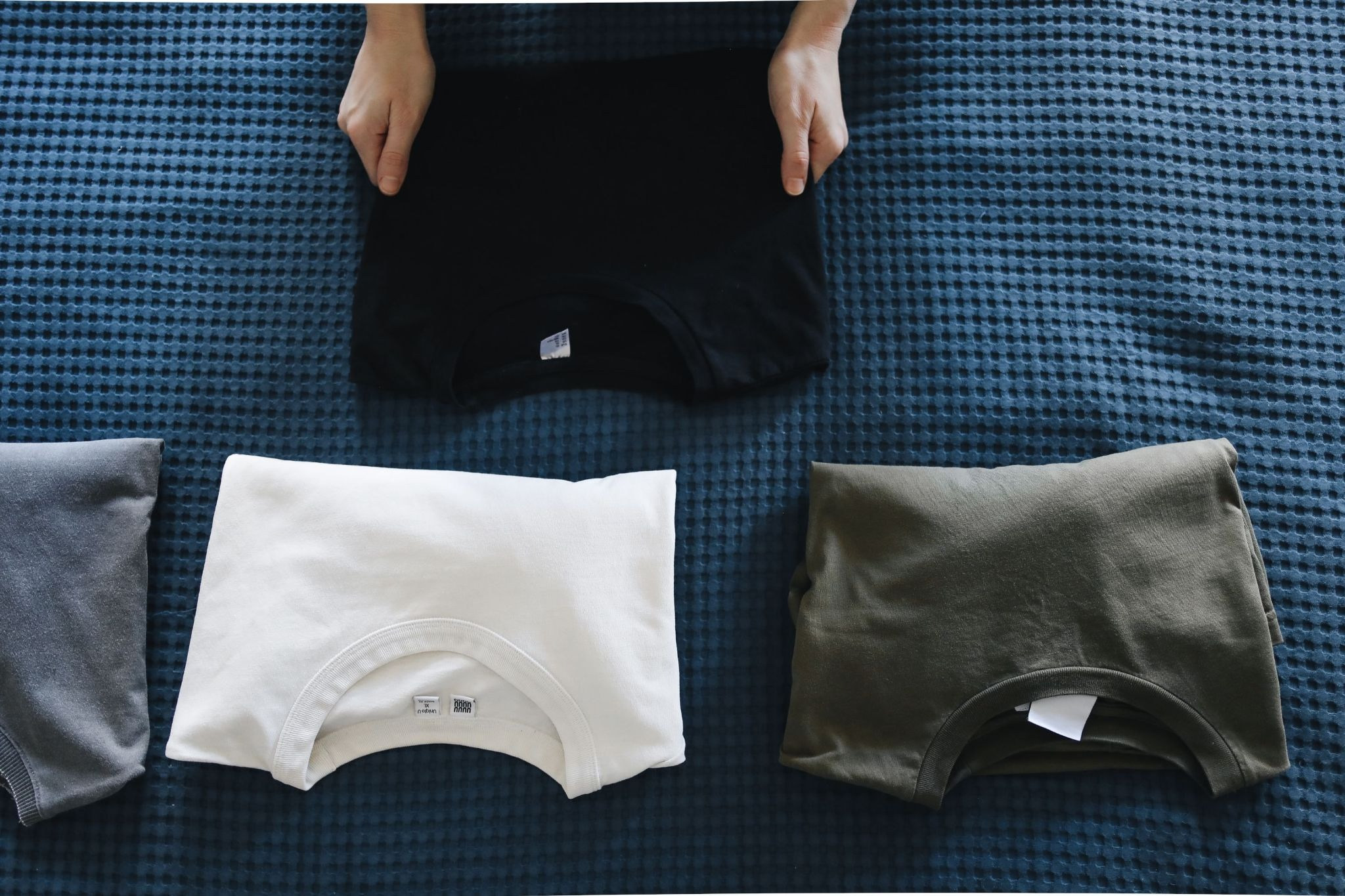
The appeal of slub fabric largely comes from its texture. Instead of looking completely smooth and uniform, the uneven yarn creates subtle variations across the surface. Light catches these raised areas differently, giving the garment more depth and visual character.

This makes even a simple T-shirt look more distinctive without relying on a bold graphic or complicated pattern.

Some of the main benefits of slub fabric include::

  • A distinctive texture: The irregular surface gives basic garments more visual interest.
  • A relaxed, casual appearance: Slub fabric works particularly well for everyday and vintage-inspired apparel.
  • A more tactile feel: The uneven surface gives the garment a texture that smooth fabrics don't have.
  • Better product differentiation: For custom apparel, the fabric itself can become part of the product's visual appeal.


How Does Slub Fabric Look After Dyeing?

The uneven texture of slub yarn can also affect how color appears on the finished fabric. Because the yarn varies in thickness, thicker and thinner sections may absorb or reflect dye differently, creating subtle variations in shade.

This can give slub garments a slightly washed, dimensional, or lived-in appearance—one reason the fabric works well for vintage and casual apparel.


How Is Slub Fabric Made?

The process starts with spinning the yarn. Mills intentionally create variations in yarn thickness, with thicker and thinner sections running along the yarn. When this slub yarn is knitted or woven into fabric, these variations create the characteristic textured surface.

Unlike regular yarn, slub yarn does not follow a completely uniform pattern. The size and frequency of the thicker sections can vary, which means the finished fabric may have subtle differences in texture from one batch to another.

Why Is Slub Fabric Popular for POD Apparel?

Slub fabric can be particularly useful in POD because the blank itself brings some visual character to the product. Instead of relying entirely on a complex graphic to make a basic T-shirt look different, sellers can use the fabric's texture as part of the overall product aesthetic.

Helps Basic Apparel Stand Out

For POD sellers, this gives you another variable to work with when building a product. Instead of competing only through artwork, you can also differentiate through the blank itself, which is particularly useful when several sellers are targeting the same niche.

A simple typography design, small logo, or minimal graphic can feel more distinctive on a textured blank than it might on a completely smooth one.

This can be especially useful for sellers who prefer a smaller, focused catalog. Instead of creating increasingly complex artwork, you can also differentiate products through the blank, color, texture, and overall garment style.
slub shirt

Works Well With Certain Design Styles

Because slub fabric already has a visible texture, it tends to work best with designs that complement rather than compete with the surface of the garment.


Some styles that pair naturally with slub apparel include:

  • Vintage-inspired designs: Washed colors and textured fabric can reinforce a worn-in, retro feel.
  • Minimalist graphics: Small logos, simple typography, and understated artwork let the fabric remain part of the design.
  • Nature and lifestyle themes: Organic illustrations, outdoor graphics, and earthy color palettes can work well with the natural look of textured fabric.
  • Casual everyday apparel: Simple designs can fit naturally with the relaxed appearance of slub T-shirts and tops.

The key is balance. If the fabric already provides visual texture, you don't always need to add a highly detailed or heavily layered graphic on top of it.

What Are the Different Types of Slub Fabric?

Slub fabric can be made with different fibers and fabric constructions, and each combination creates a different balance of texture, comfort, drape, and durability. The fiber and construction you choose can therefore make a noticeable difference in how the finished garment looks and feels.

Cotton Slub Fabric

Cotton is probably the easiest place to start if you're new to slub fabric. You get the familiar soft, breathable feel of cotton, but with a little more texture and visual interest from the slub yarn. That's what makes cotton slub such a versatile option for everyday T-shirts, tanks, and other casual wear.

Typical applications:

  • Tshirts
  • Casual button-up
  • Bralette / Tank-top
  • Loungewear
  • Tote bags

Linen Slub Fabric

Linen slub has a more noticeable texture than cotton slub, with the naturally airy, slightly crisp feel that linen is known for. The result is a fabric that looks relaxed and a little more rustic, which makes it a good fit for summer clothing and other pieces with a light, natural aesthetic.

Common uses include:

  • Summer tops
  • Dresses
  • Beach cover-ups
  • Lightweight shirts
  • Home textiles such as napkins and table linens

Other Types of Slub Fabric

Cotton and linen are common choices, but there are also slub fabrics made from other fibers, each with its own characteristics and applications.

Type Key Characteristics Common Uses
Rayon slub Soft, smooth, and drapey Dresses, tops, and fashion apparel
Polyester slub Durable, wrinkle-resistant, and easy to care for Casualwear, active-inspired apparel
Wool slub Warm, textured, and more substantial Sweaters, scarves, winter apparel
Silk slub Smooth, lightweight, and subtly textured Blouses, scarves, premium apparel

The fiber makes a significant difference in how a slub fabric feels and performs, so “slub” alone isn't enough to determine whether a fabric will be soft, lightweight, breathable, or durable.

Slub Fabric by Construction

The fiber is only part of the equation. How the fabric is knitted or woven also affects its stretch, drape, structure, and overall feel.

Slub knit: A knitted construction that generally offers more stretch and flexibility, making it suitable for T-shirts, tops, and other movement-friendly apparel. Jersey slub is a common type of slub knit known for its soft feel and natural drape.

Slub woven: A woven construction with a firmer, more structured feel, which can work well for shirts, overshirts, and lightweight jackets.


Best Slub Fabric Products for POD Sellers

Once you know how slub fabrics differ, the next question is what to sell. Rather than adding every slub item to your catalog, start with products that fit your niche and give you room to expand later.

Slub T-shirts

If you're trying slub fabric for the first time, T-shirts are probably the easiest place to start. They're already a familiar product for most POD shoppers, so you don't have to build demand for a completely new product category from scratch.

They also give you plenty of room to test, so you can add a slub version to an existing T-shirt collection, see how your customers respond, and decide whether it's worth expanding into other apparel.

Why start with them?

  • Easy to add alongside your existing T-shirt range
  • Familiar product with a broad customer base
  • Simple way to test a new fabric without changing your whole catalog
  • Easy to expand a successful design into other apparel

Slub Tank Tops and Lightweight Tops

If a niche is already working well on your T-shirts, adding tank tops gives customers another way to shop the same idea. It's also a practical way to expand your product range without having to test an entirely new niche.

They're particularly worth considering for:

  • Summer and vacation collections
  • Fitness and lifestyle niches
  • Beach and resort-inspired apparel

Slub Hoodies and Sweatshirts

Fall and winter are when hoodies and sweatshirts naturally become a bigger part of customers' wardrobes, making this a good time to add heavier slub apparel to your POD lineup.

This also gives you a chance to build a more complete seasonal collection before the Q4 shopping rush. Start testing your designs early, then keep the strongest performers running through fall, Halloween, Thanksgiving, and the holiday shopping season.

They work particularly well for:

  • Fall and winter collections
  • Halloween and holiday-themed apparel
  • Streetwear and casual niches
  • Matching or group apparel
  • Designs that have already performed well on T-shirts

Slub Linen Apparel

Linen slub works particularly well when your store already has a clear lifestyle angle. For example, a beachwear, resort, travel, or relaxed summer collection can feel more cohesive when several products share the same seasonal direction.

Potential products include:

  • Lightweight shirts
  • Dresses
  • Beach cover-ups
  • Relaxed tops

Slub Baby and Kids Clothing

Kids' apparel doesn't always need a complicated graphic to look distinctive. The subtle variation in slub fabric can add a little visual character to otherwise simple children's designs, which works particularly well with hand-drawn illustrations, small graphics, and personalized details.

This can be useful for POD sellers targeting boutique-style or personalized children's clothing. Instead of covering the garment with a large print, you can let the fabric texture become part of the overall look and keep the design relatively simple.

They work particularly well for:

  • Personalized kids' clothing: Names, initials, and small personalized graphics can stand on their own without competing with a busy background.
  • Hand-drawn and illustrated designs: Simple animals, plants, doodles, and playful illustrations can pair naturally with a textured blank.
  • Parent-and-child matching outfits: The same design concept can be adapted across adult and kids' products while keeping the overall collection cohesive.
  • Boutique-style children's apparel: A textured blank can help simple designs feel less like generic mass-market basics.

Printing Methods and Design Tips for Slub Apparel

The right printing method keeps both the design and the fabric's texture looking their best—and that matters even more with slub fabrics than with plain cotton.

Best Printing Methods for Slub Fabric

The right printing method depends on the fabric, design, and order size. Here's a quick guide to help you choose:

DTG (Direct-to-Garment)

  • Best for: Cotton slub T-shirts with colorful graphics, illustrations, or detailed artwork.
  • Why: Works well for one-off and small-batch POD orders without requiring screens or setup for each design.
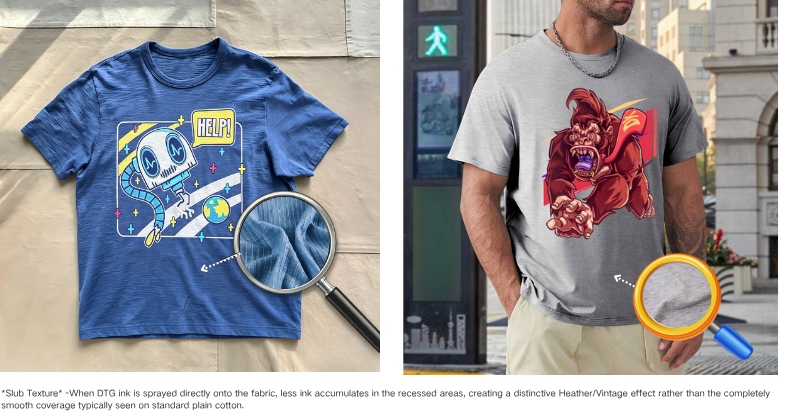
  • Watch out for: A heavily textured surface can affect very fine details and large solid areas, so test the actual blank before launching.
DTG slub shirt vs DTG cotton shirt

Screen Printing

  • Best for: Bold typography, logos, and simple graphics with a limited number of colors.
  • Why: Makes more sense when you're producing the same design in larger quantities.
  • Watch out for: It's less flexible for one-off POD orders or designs that change frequently.

Embroidery

  • Best for: Small logos, initials, symbols, and simple artwork, especially on slub hoodies and sweatshirts.
  • Why: Adds a raised finish that can give simple designs more visual dimension.
  • Watch out for: Avoid very fine details and complicated artwork, which can be difficult to reproduce cleanly in thread.

Designs That Work Well on Slub Apparel

When you're designing for a textured blank, a few practical tips can help: 

  • Keep very small details to a minimum. Tiny text and extremely fine lines may be harder to reproduce clearly on a textured surface.
  • Give typography enough breathing room. Short phrases, larger lettering, and clean layouts are generally easier to read.
  • Consider the print area. A large, highly detailed graphic may compete with the garment's surface, while a smaller placement can create a more balanced result.
  • Match the design to the garment. A small chest graphic may work well on a slub sweatshirt, while a larger illustration may make more sense on a T-shirt.
  • Test the actual blank before launching. Slub fabrics can differ in texture, fiber, color, and construction, so don't assume a design will print exactly the same way on every blank.

Designs That May Need Extra Care

Some designs are more sensitive to an uneven surface and may need additional testing before you put them into your store.

  • Very small text
  • Extremely fine line drawings
  • Highly detailed photographic artwork
  • Designs that depend on perfectly flat color blocks
  • Complex patterns with many tiny elements

These designs aren't necessarily off-limits, but they should be tested on the actual blank before you make them part of your core collection.

Slub Fabric vs Regular Cotton: Which Is Better for POD?

There's no one-size-fits-all answer here. It comes down to how much you want the blank to contribute to the product and how consistent you need the printing surface to be.

Dimension Slub Fabric Regular Cotton
Surface Visible variation and texture Flat, smooth, and uniform
Design focus The garment and artwork can work together as part of the overall look Gives the artwork a more neutral background
Product positioning A good fit for design-led, boutique, and lifestyle collections Works well for everyday basics and broad-market apparel
Design flexibility Works particularly well when the fabric is part of the product concept A straightforward choice for highly detailed or print-focused designs
Best use When you want the blank itself to help differentiate the product When the print is the main selling point


Final Thoughts

Slub fabric doesn't have to replace the regular cotton products in your POD store. Think of it as another blank you can use when the standard smooth T-shirt doesn't quite fit the product you're trying to create.

Most importantly, don't judge a slub blank from the fabric description alone. Order a sample, test your printing method, and see how the actual garment looks with your designs. Once you know what works, you can gradually build slub products into your catalog without changing your entire POD strategy.

Ready to try slub apparel? Explore Inkedjoy's slub product options and test a few blanks to find the right fit for your next collection.

Find this slub fabric guides helpful?

Make Inkedjoy a Preferred Source on Google


FAQ

What is a slub shirt?

A slub shirt is made from fabric produced with slub yarn, which has intentional variations in thickness. These variations create the uneven texture visible on the finished garment.

What is slubbed cotton?

Slubbed cotton is cotton fabric made with unevenly spun yarn, creating the characteristic variations in texture across the surface.

What is slub material?

Slub material refers to fabric made with slub yarn. The yarn can be used with different fibers, including cotton, linen, rayon, polyester, and blends.


Is slub fabric good for Direct-to-Garment (DTG) printing?

Yes, but it produces a distinct look. Because of the uneven yarn thickness, DTG ink settles differently across the surface, creating a subtle heathered or vintage appearance rather than a completely smooth, opaque cover.

Is slub fabric good for summer?

It can be, depending on the fiber and construction. Lightweight cotton or linen slub can be a good choice for summer apparel, while other slub fabrics may be better suited to different conditions.

Does slub shrink easily after washing??

It depends on the fiber content. Cotton and linen slub fabrics can shrink slightly if washed in hot water or tumble-dried on high heat. We recommend washing in cold water and air-drying to preserve both the fabric texture and the DTG print.

What's the difference between cotton and cotton slub?

Regular cotton fabric is generally made with more uniform yarn, while cotton slub uses intentionally uneven yarn to create variations in thickness and texture. In other words, cotton describes the fiber, while slub describes the yarn texture.

Is slub cotton of good quality?

Slub cotton can be a high-quality fabric, but the presence of slub texture alone doesn't determine quality. Fiber quality, yarn construction, fabric weight, finishing, and manufacturing all matter.

Read more

G

Written by

Gina

Senior POD Apparel & Fabric Specialist at Inkedjoy

Gina has over 6 years of hands-on experience in textile selection, print-on-demand (POD) product development, and garment printing technologies. Specializing in Direct-to-Garment (DTG) and fabric-ink interaction, she has helped thousands of e-commerce sellers optimize their apparel lines and reduce product return rates. Prior to joining Inkedjoy, Gina worked as a textile quality auditor and apparel sourcing strategist for leading fashion print suppliers.



Like the article

0
Slub Fabric: What It Is, Types, Benefits & Best Uses

Slub Fabric: What It Is, Types, Benefits & Best Uses

Key Takeaways

  • Slub fabric gets its distinctive texture from uneven yarn, rather than a specific fiber, so its feel and performance can vary by material.
  • Cotton, linen, rayon, polyester, and other fibers can all be used for slub fabric, with different options suited to different apparel needs.
  • For POD sellers, slub T-shirts are an easy starting point, while tanks, hoodies, linen apparel, and kids' clothing open up different product opportunities.
  • DTG, screen printing, and embroidery can all be options for slub apparel, but the right choice depends on the fabric, artwork, and order volume.
  • Slub and regular cotton each have their place: choose slub when the blank contributes to the product concept, and regular cotton when print consistency is the priority.

Slub fabric is known for its slightly uneven texture, which gives T-shirts and other apparel a more relaxed, natural look than smooth, uniform fabrics. But what exactly creates that texture, and how does it compare with regular cotton when it comes to comfort, appearance, and printing?

This guide covers the basics of slub fabric, from how it's made and the different types to its pros and cons, printing considerations, and the best ways to use it in custom apparel.


What Is Slub Fabric?

Slub fabric is a textile made with slub yarn, a type of yarn that has intentionally uneven thickness. These thicker and thinner sections create the small irregularities and subtle texture you can see across the surface of the fabric.

One important thing to know is that slub does not describe the fiber itself. It describes the texture created by the yarn. Slub fabric can be made from cotton, linen, rayon, polyester, wool, or blends, so its softness, breathability, weight, and durability can vary depending on the material.

This is also why two slub fabrics can feel very different. A cotton slub T-shirt may feel soft and breathable, while a polyester slub fabric may be more durable and resistant to wrinkles.

What Are the Benefits of Slub Fabric?

The appeal of slub fabric largely comes from its texture. Instead of looking completely smooth and uniform, the uneven yarn creates subtle variations across the surface. Light catches these raised areas differently, giving the garment more depth and visual character.

This makes even a simple T-shirt look more distinctive without relying on a bold graphic or complicated pattern.

Some of the main benefits of slub fabric include::

  • A distinctive texture: The irregular surface gives basic garments more visual interest.
  • A relaxed, casual appearance: Slub fabric works particularly well for everyday and vintage-inspired apparel.
  • A more tactile feel: The uneven surface gives the garment a texture that smooth fabrics don't have.
  • Better product differentiation: For custom apparel, the fabric itself can become part of the product's visual appeal.


How Does Slub Fabric Look After Dyeing?

The uneven texture of slub yarn can also affect how color appears on the finished fabric. Because the yarn varies in thickness, thicker and thinner sections may absorb or reflect dye differently, creating subtle variations in shade.

This can give slub garments a slightly washed, dimensional, or lived-in appearance—one reason the fabric works well for vintage and casual apparel.


How Is Slub Fabric Made?

The process starts with spinning the yarn. Mills intentionally create variations in yarn thickness, with thicker and thinner sections running along the yarn. When this slub yarn is knitted or woven into fabric, these variations create the characteristic textured surface.

Unlike regular yarn, slub yarn does not follow a completely uniform pattern. The size and frequency of the thicker sections can vary, which means the finished fabric may have subtle differences in texture from one batch to another.

Why Is Slub Fabric Popular for POD Apparel?

Slub fabric can be particularly useful in POD because the blank itself brings some visual character to the product. Instead of relying entirely on a complex graphic to make a basic T-shirt look different, sellers can use the fabric's texture as part of the overall product aesthetic.

Helps Basic Apparel Stand Out

For POD sellers, this gives you another variable to work with when building a product. Instead of competing only through artwork, you can also differentiate through the blank itself, which is particularly useful when several sellers are targeting the same niche.

A simple typography design, small logo, or minimal graphic can feel more distinctive on a textured blank than it might on a completely smooth one.

This can be especially useful for sellers who prefer a smaller, focused catalog. Instead of creating increasingly complex artwork, you can also differentiate products through the blank, color, texture, and overall garment style.

slub shirt

Works Well With Certain Design Styles

Because slub fabric already has a visible texture, it tends to work best with designs that complement rather than compete with the surface of the garment.


Some styles that pair naturally with slub apparel include:

  • Vintage-inspired designs: Washed colors and textured fabric can reinforce a worn-in, retro feel.
  • Minimalist graphics: Small logos, simple typography, and understated artwork let the fabric remain part of the design.
  • Nature and lifestyle themes: Organic illustrations, outdoor graphics, and earthy color palettes can work well with the natural look of textured fabric.
  • Casual everyday apparel: Simple designs can fit naturally with the relaxed appearance of slub T-shirts and tops.

The key is balance. If the fabric already provides visual texture, you don't always need to add a highly detailed or heavily layered graphic on top of it.

What Are the Different Types of Slub Fabric?

Slub fabric can be made with different fibers and fabric constructions, and each combination creates a different balance of texture, comfort, drape, and durability. The fiber and construction you choose can therefore make a noticeable difference in how the finished garment looks and feels.

Cotton Slub Fabric

Cotton is probably the easiest place to start if you're new to slub fabric. You get the familiar soft, breathable feel of cotton, but with a little more texture and visual interest from the slub yarn. That's what makes cotton slub such a versatile option for everyday T-shirts, tanks, and other casual wear.

Typical applications:

  • Tshirts
  • Casual button-up
  • Bralette / Tank-top
  • Loungewear
  • Tote bags

Linen Slub Fabric

Linen slub has a more noticeable texture than cotton slub, with the naturally airy, slightly crisp feel that linen is known for. The result is a fabric that looks relaxed and a little more rustic, which makes it a good fit for summer clothing and other pieces with a light, natural aesthetic.

Common uses include:

  • Summer tops
  • Dresses
  • Beach cover-ups
  • Lightweight shirts
  • Home textiles such as napkins and table linens

Other Types of Slub Fabric

Cotton and linen are common choices, but there are also slub fabrics made from other fibers, each with its own characteristics and applications.

Type Key Characteristics Common Uses
Rayon slub Soft, smooth, and drapey Dresses, tops, and fashion apparel
Polyester slub Durable, wrinkle-resistant, and easy to care for Casualwear, active-inspired apparel
Wool slub Warm, textured, and more substantial Sweaters, scarves, winter apparel
Silk slub Smooth, lightweight, and subtly textured Blouses, scarves, premium apparel

The fiber makes a significant difference in how a slub fabric feels and performs, so “slub” alone isn't enough to determine whether a fabric will be soft, lightweight, breathable, or durable.

Slub Fabric by Construction

The fiber is only part of the equation. How the fabric is knitted or woven also affects its stretch, drape, structure, and overall feel.

Slub knit: A knitted construction that generally offers more stretch and flexibility, making it suitable for T-shirts, tops, and other movement-friendly apparel. Jersey slub is a common type of slub knit known for its soft feel and natural drape.

Slub woven: A woven construction with a firmer, more structured feel, which can work well for shirts, overshirts, and lightweight jackets.


Best Slub Fabric Products for POD Sellers

Once you know how slub fabrics differ, the next question is what to sell. Rather than adding every slub item to your catalog, start with products that fit your niche and give you room to expand later.

Slub T-shirts

If you're trying slub fabric for the first time, T-shirts are probably the easiest place to start. They're already a familiar product for most POD shoppers, so you don't have to build demand for a completely new product category from scratch.

They also give you plenty of room to test, so you can add a slub version to an existing T-shirt collection, see how your customers respond, and decide whether it's worth expanding into other apparel.

Why start with them?

  • Easy to add alongside your existing T-shirt range
  • Familiar product with a broad customer base
  • Simple way to test a new fabric without changing your whole catalog
  • Easy to expand a successful design into other apparel

Slub Tank Tops and Lightweight Tops

If a niche is already working well on your T-shirts, adding tank tops gives customers another way to shop the same idea. It's also a practical way to expand your product range without having to test an entirely new niche.

They're particularly worth considering for:

  • Summer and vacation collections
  • Fitness and lifestyle niches
  • Beach and resort-inspired apparel

Slub Hoodies and Sweatshirts

Fall and winter are when hoodies and sweatshirts naturally become a bigger part of customers' wardrobes, making this a good time to add heavier slub apparel to your POD lineup.

This also gives you a chance to build a more complete seasonal collection before the Q4 shopping rush. Start testing your designs early, then keep the strongest performers running through fall, Halloween, Thanksgiving, and the holiday shopping season.

They work particularly well for:

  • Fall and winter collections
  • Halloween and holiday-themed apparel
  • Streetwear and casual niches
  • Matching or group apparel
  • Designs that have already performed well on T-shirts

Slub Linen Apparel

Linen slub works particularly well when your store already has a clear lifestyle angle. For example, a beachwear, resort, travel, or relaxed summer collection can feel more cohesive when several products share the same seasonal direction.

Potential products include:

  • Lightweight shirts
  • Dresses
  • Beach cover-ups
  • Relaxed tops

Slub Baby and Kids Clothing

Kids' apparel doesn't always need a complicated graphic to look distinctive. The subtle variation in slub fabric can add a little visual character to otherwise simple children's designs, which works particularly well with hand-drawn illustrations, small graphics, and personalized details.

This can be useful for POD sellers targeting boutique-style or personalized children's clothing. Instead of covering the garment with a large print, you can let the fabric texture become part of the overall look and keep the design relatively simple.

They work particularly well for:

  • Personalized kids' clothing: Names, initials, and small personalized graphics can stand on their own without competing with a busy background.
  • Hand-drawn and illustrated designs: Simple animals, plants, doodles, and playful illustrations can pair naturally with a textured blank.
  • Parent-and-child matching outfits: The same design concept can be adapted across adult and kids' products while keeping the overall collection cohesive.
  • Boutique-style children's apparel: A textured blank can help simple designs feel less like generic mass-market basics.

Printing Methods and Design Tips for Slub Apparel

The right printing method keeps both the design and the fabric's texture looking their best—and that matters even more with slub fabrics than with plain cotton.

Best Printing Methods for Slub Fabric

The right printing method depends on the fabric, design, and order size. Here's a quick guide to help you choose:

DTG (Direct-to-Garment)

  • Best for: Cotton slub T-shirts with colorful graphics, illustrations, or detailed artwork.
  • Why: Works well for one-off and small-batch POD orders without requiring screens or setup for each design.
  • Watch out for: A heavily textured surface can affect very fine details and large solid areas, so test the actual blank before launching.

DTG slub shirt vs DTG cotton shirt

Screen Printing

  • Best for: Bold typography, logos, and simple graphics with a limited number of colors.
  • Why: Makes more sense when you're producing the same design in larger quantities.
  • Watch out for: It's less flexible for one-off POD orders or designs that change frequently.

Embroidery

  • Best for: Small logos, initials, symbols, and simple artwork, especially on slub hoodies and sweatshirts.
  • Why: Adds a raised finish that can give simple designs more visual dimension.
  • Watch out for: Avoid very fine details and complicated artwork, which can be difficult to reproduce cleanly in thread.

Designs That Work Well on Slub Apparel

When you're designing for a textured blank, a few practical tips can help: 

  • Keep very small details to a minimum. Tiny text and extremely fine lines may be harder to reproduce clearly on a textured surface.
  • Give typography enough breathing room. Short phrases, larger lettering, and clean layouts are generally easier to read.
  • Consider the print area. A large, highly detailed graphic may compete with the garment's surface, while a smaller placement can create a more balanced result.
  • Match the design to the garment. A small chest graphic may work well on a slub sweatshirt, while a larger illustration may make more sense on a T-shirt.
  • Test the actual blank before launching. Slub fabrics can differ in texture, fiber, color, and construction, so don't assume a design will print exactly the same way on every blank.

Designs That May Need Extra Care

Some designs are more sensitive to an uneven surface and may need additional testing before you put them into your store.

  • Very small text
  • Extremely fine line drawings
  • Highly detailed photographic artwork
  • Designs that depend on perfectly flat color blocks
  • Complex patterns with many tiny elements

These designs aren't necessarily off-limits, but they should be tested on the actual blank before you make them part of your core collection.

Slub Fabric vs Regular Cotton: Which Is Better for POD?

There's no one-size-fits-all answer here. It comes down to how much you want the blank to contribute to the product and how consistent you need the printing surface to be.

Dimension Slub Fabric Regular Cotton
Surface Visible variation and texture Flat, smooth, and uniform
Design focus The garment and artwork can work together as part of the overall look Gives the artwork a more neutral background
Product positioning A good fit for design-led, boutique, and lifestyle collections Works well for everyday basics and broad-market apparel
Design flexibility Works particularly well when the fabric is part of the product concept A straightforward choice for highly detailed or print-focused designs
Best use When you want the blank itself to help differentiate the product When the print is the main selling point


Final Thoughts

Slub fabric doesn't have to replace the regular cotton products in your POD store. Think of it as another blank you can use when the standard smooth T-shirt doesn't quite fit the product you're trying to create.

Most importantly, don't judge a slub blank from the fabric description alone. Order a sample, test your printing method, and see how the actual garment looks with your designs. Once you know what works, you can gradually build slub products into your catalog without changing your entire POD strategy.

Ready to try slub apparel? Explore Inkedjoy's slub product options and test a few blanks to find the right fit for your next collection.

Find this slub fabric guides helpful?

Make Inkedjoy a Preferred Source on Google


FAQ

What is a slub shirt?

A slub shirt is made from fabric produced with slub yarn, which has intentional variations in thickness. These variations create the uneven texture visible on the finished garment.

What is slubbed cotton?

Slubbed cotton is cotton fabric made with unevenly spun yarn, creating the characteristic variations in texture across the surface.

What is slub material?

Slub material refers to fabric made with slub yarn. The yarn can be used with different fibers, including cotton, linen, rayon, polyester, and blends.


Is slub fabric good for Direct-to-Garment (DTG) printing?

Yes, but it produces a distinct look. Because of the uneven yarn thickness, DTG ink settles differently across the surface, creating a subtle heathered or vintage appearance rather than a completely smooth, opaque cover.

Is slub fabric good for summer?

It can be, depending on the fiber and construction. Lightweight cotton or linen slub can be a good choice for summer apparel, while other slub fabrics may be better suited to different conditions.

Does slub shrink easily after washing??

It depends on the fiber content. Cotton and linen slub fabrics can shrink slightly if washed in hot water or tumble-dried on high heat. We recommend washing in cold water and air-drying to preserve both the fabric texture and the DTG print.

What's the difference between cotton and cotton slub?

Regular cotton fabric is generally made with more uniform yarn, while cotton slub uses intentionally uneven yarn to create variations in thickness and texture. In other words, cotton describes the fiber, while slub describes the yarn texture.

Is slub cotton of good quality?

Slub cotton can be a high-quality fabric, but the presence of slub texture alone doesn't determine quality. Fiber quality, yarn construction, fabric weight, finishing, and manufacturing all matter.

Read more

G

Written by

Gina

Senior POD Apparel & Fabric Specialist at Inkedjoy

Gina has over 6 years of hands-on experience in textile selection, print-on-demand (POD) product development, and garment printing technologies. Specializing in Direct-to-Garment (DTG) and fabric-ink interaction, she has helped thousands of e-commerce sellers optimize their apparel lines and reduce product return rates. Prior to joining Inkedjoy, Gina worked as a textile quality auditor and apparel sourcing strategist for leading fashion print suppliers.


Like the article

0