
Sweatshirt vs Hoodie vs Jacket: Which Is Best for Your Brand?
Choosing between a sweatshirt and a hoodie usually comes down to one key feature: the hood.
Key takeaways:
- Sweatshirts and hoodies share similar fabrics and casual designs, but the hood is the biggest feature that sets them apart.
- Sweatshirts usually have a crewneck and a cleaner silhouette, making them a versatile option for everyday wear, layering, embroidery, and simple graphics.
- Hoodies add a hood, and many styles also include drawstrings or a front pocket. They are often associated with streetwear, sportswear, team apparel, and relaxed everyday outfits.
- Both styles are available as pullovers, but hoodies also come in zip-up versions for easier layering.
- The better choice depends on your audience, design style, climate, and how you plan to position the product in your store.
Sweatshirt vs Hoodie vs Jacket: Quick Comparison
The simplest difference is the garment's role. A sweatshirt is a clean casual layer, a hoodie adds a hood and relaxed utility, and a jacket is designed primarily as outerwear. The table below gives a fast comparison before we look at fabrics, popular styles, and customization choices in more detail.
| Feature | Sweatshirt | Hoodie | Jacket |
| Layer type | Casual mid-layer | Casual mid-layer | Outer layer |
| Hood | No | Yes | Optional |
| Pockets | Uncommon | Kangaroo or front | Common, varied |
| Neckline | Usually crewneck | Hooded opening | Collar or hood |
| Common fabrics | Cotton, fleece, blends | Cotton, fleece, blends | Nylon, denim, canvas, leather |
| Best for | Clean graphics, basics | Streetwear, casual comfort | Protection, structured style |
What Is a Sweatshirt?
A sweatshirt is a casual pullover designed for everyday comfort. Most styles feature a crewneck, long sleeves, ribbed cuffs, and a simple silhouette without a hood.
Cotton jersey, French terry, fleece, and cotton-polyester blends are common. Its simple structure gives consumers an easy everyday layer and gives custom apparel sellers a broad, uninterrupted area for graphics, embroidery, or all-over patterns.
Key Features of Sweatshirts
- Most sweatshirts feature a classic crewneck design with long sleeves, ribbed cuffs, and a simple everyday silhouette.
- Unlike hoodies, sweatshirts do not have an attached hood, giving them a cleaner look that is easy to layer.
- Common materials include cotton, fleece, French terry, and blended fabrics, offering different levels of softness, warmth, and durability.
- Sweatshirts come in different fits, including classic, oversized, and relaxed styles, to match various fashion preferences.
- The simple structure provides a clean surface for customization, making sweatshirts suitable for graphics, embroidery, logos, and minimalist designs.
The sweatshirt is also the foundation of the modern hoodie. Add an attached hood, and often a kangaroo pocket, and the basic sweatshirt form becomes a hoodie.
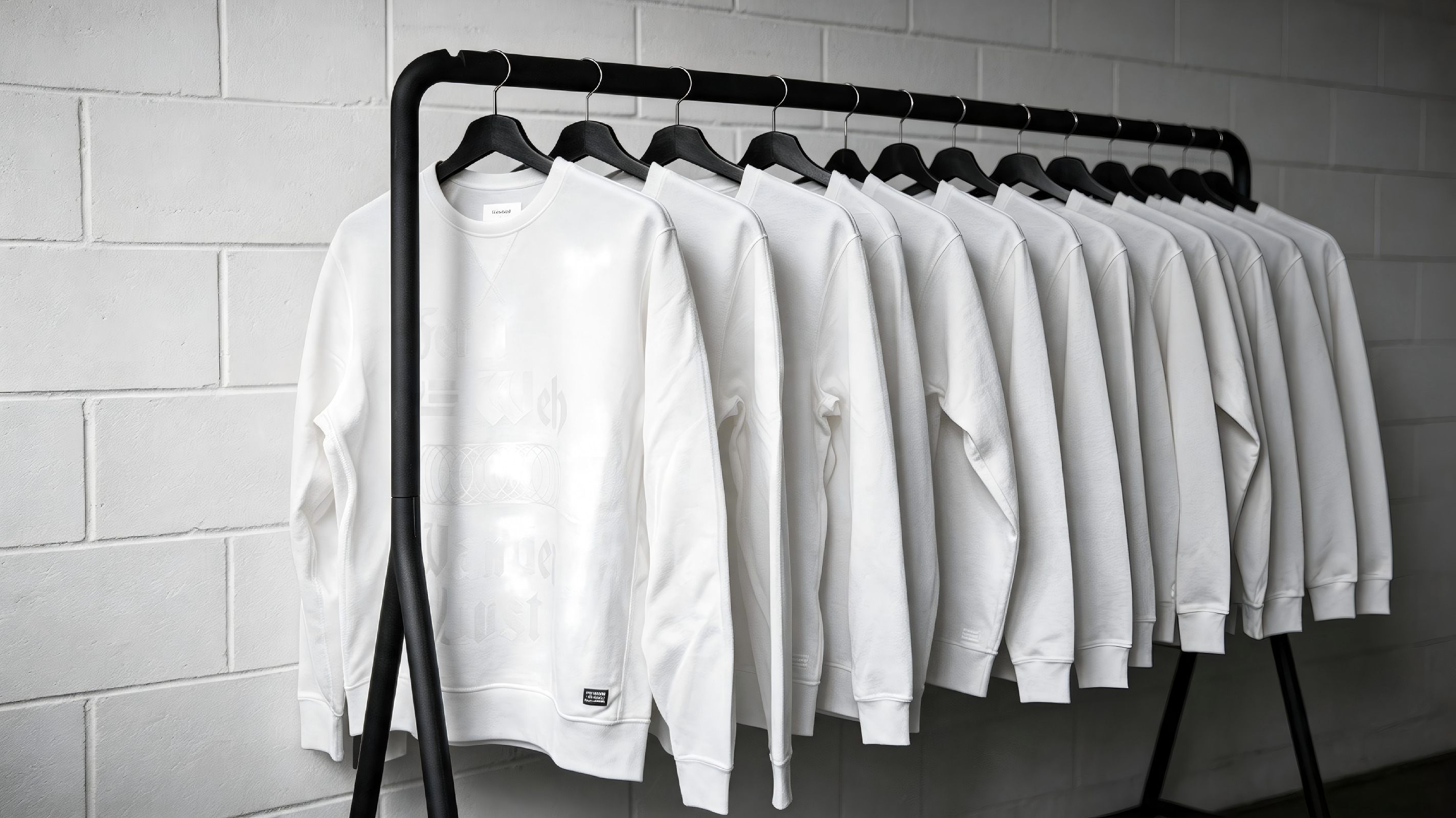
Sweatshirt Fabrics: Comfort, Cost, and Sustainability Compared
Cotton: Best for Everyday Comfort
Cotton is a popular choice for sweatshirts because it feels soft, breathable, and comfortable for everyday wear. It works well for premium basics, minimalist designs, and casual collections.
Cotton fabrics can also provide a smooth surface for printing and embroidery, depending on the product. For POD sellers, checking fabric weight and print compatibility before choosing a blank is recommended.
Polyester and Blends: Affordable and Durable
Polyester and cotton-polyester blends are commonly used for sweatshirts because they are durable, easy to care for, and often more budget-friendly. They work well for larger collections and products designed for frequent wear.
Some polyester fabrics also support sublimation printing, depending on the blank. Since fabric feel can vary between products, ordering a sample before launching is a good idea.
Organic Cotton and Recycled Fabrics: More Sustainable Options
Organic cotton and recycled fabrics helps brands create more sustainability-focused collections. However, sellers should avoid making broad eco-friendly claims unless the supplier provides clear material certifications or documentation.
Popular Sweatshirt Styles and Uses in 2026
Classic Crewneck Sweatshirts
The classic crewneck remains useful because its clean neckline and simple shape can move between casual basics, collegiate graphics, retro themes, work-from-home clothing, and branded merchandise. For sellers, it is an uncomplicated starting point: the product is familiar, design placement is easy to explain, and the same silhouette can support either bold artwork or restrained branding.
Oversized Sweatshirts
A Visible 2026 Direction
Oversized sweatshirts continue to be popular in casual and streetwear-inspired collections in 2026.
An oversized sweatshirt gives bold graphics more room and can create a modern lifestyle look, but sellers need accurate measurements and clear model photography because “oversized” is not a standardized fit. Use size charts, state whether customers should order their usual size, and show the garment from more than one angle.
Vintage and Washed Sweatshirts
Vintage references continue to appear through faded colors, retro lettering, worn-in textures, and old-school sports styling. Looking toward 2027, washed finishes can help nostalgic designs feel more authentic. A seller can pair this look with location graphics, club-inspired typography, outdoor themes, or limited drops. Verify how the wash varies between units and avoid promising every garment will have an identical finish.
Embroidered & Minimal Sweatshirts:
Good Choice for Independent Brands
Small embroidery, chest logos, and simple typography can give hoodies a more premium feel while keeping the design clean and easy to wear. This style works well for niche collections such as coffee brands, pet communities, outdoor lifestyles, fitness groups, and wellness-focused products.
Instead of creating too many unrelated designs, brands can build a stronger collection around one clear visual style. A quality blank, consistent branding, and thoughtful product presentation can help create a more recognizable identity.
Explore Inkedjoy Sweatshirt Collections
What Is a Hoodie?
A hoodie is essentially a sweatshirt-style garment with an attached hood. It may be a pullover or a zip-up style and often includes drawstrings, a kangaroo pocket, or separate front pockets. The hood adds coverage and gives the garment a more relaxed visual identity. Hoodies are popular in casual clothing, streetwear, team merchandise, creator brands, and community-based apparel.
Key Features of Hoodies
- The attached hood is the main feature that separates hoodies from sweatshirts, adding extra coverage and a more casual appearance.
- Many hoodies include details like drawstrings, kangaroo pockets, or zip closures, depending on the style.
- They are commonly made with cotton, fleece, French terry, and blended fabrics for different comfort and warmth levels.
- Hoodies are available in a range of fits, from classic cuts to oversized styles, making them popular for casual wear and streetwear collections.
- Hoodies offer multiple customization areas, including the chest, back, and sleeves, but designs need to consider pockets, seams, and zippers.
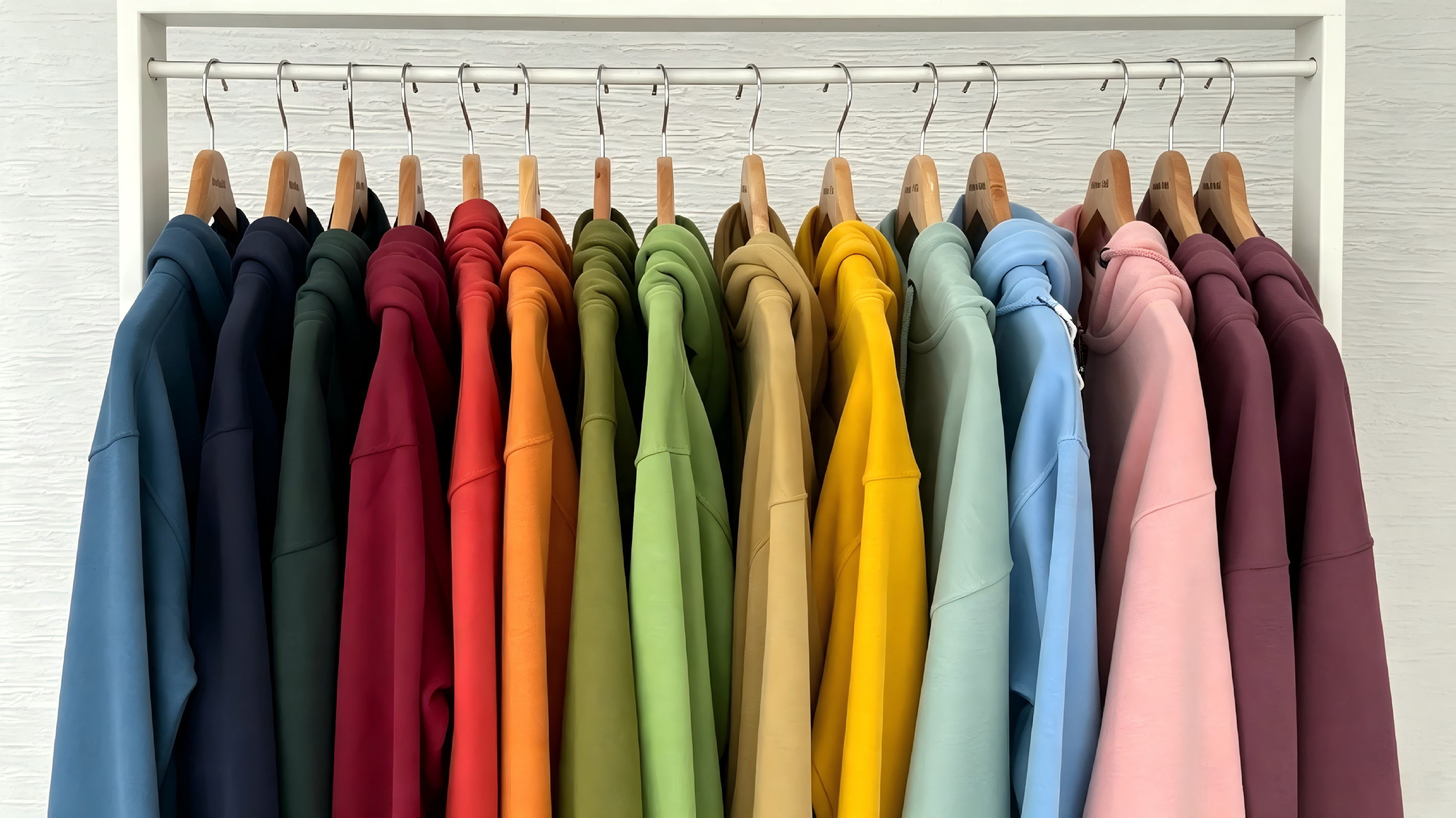
Hoodie Fabrics: Comfort, Performance, and Brand Style
Cotton Hoodies: A Classic Lifestyle Choice
Cotton hoodies are popular because they balance comfort and everyday wearability. They work well for lifestyle collections, creator merchandise, and premium casual products where softness and feel are part of the buying decision.
Fleece Hoodies: Warm and Cozy
Fleece hoodies feature a soft brushed interior that makes them warmer and more comfortable for colder seasons. They are a popular choice for winter collections, casual basics, and comfort-focused brands.
Since fleece thickness and construction can vary between products, sellers should check fabric details and order samples before choosing a blank.
Polyester and Blended Hoodies: Durable and Accessible
Polyester and blended hoodies are known for their durability, easy care, and ability to hold their shape over time.
They work well for larger collections, sportswear-inspired designs, and some all-over print applications. Because fabric feel can vary between blends, testing the actual product is important before launching.
Popular Hoodie Styles and Uses in 2026–2027
Classic Pullover Hoodies
Classic pullover hoodies feature a simple design with an attached hood, relaxed fit, and often a kangaroo pocket. They are a popular choice for graphic apparel, casual brands, and everyday collections. The large back area works well for statement designs, while the chest area is suitable for smaller logos or branding.
Oversized Hoodies
Oversized hoodies offer a relaxed fit with extra volume, making them a popular choice for streetwear and casual collections. Their larger surface area creates more room for bold graphics, sleeve designs, and all-over prints. They also work well for brands targeting a comfort-focused, modern style.
Zip-Up Hoodies
Zip-up hoodies are easy to layer and provide more flexibility when adjusting to different temperatures. They work well for matching sets, small logos, sleeve graphics, and everyday apparel collections. When adding designs, sellers should consider the zipper placement to avoid splitting important artwork.
Minimal and Embroidered Hoodies
Minimal hoodies use simple designs like small embroidery, tonal graphics, or chest logos to create a more premium casual look. They are suitable for lifestyle brands, community merchandise, and elevated basics. Since embroidery works differently on various fabrics, testing the final product can help ensure a clean result.
Explore Inkedjoy Hoodies Collections
What Is a Jacket?
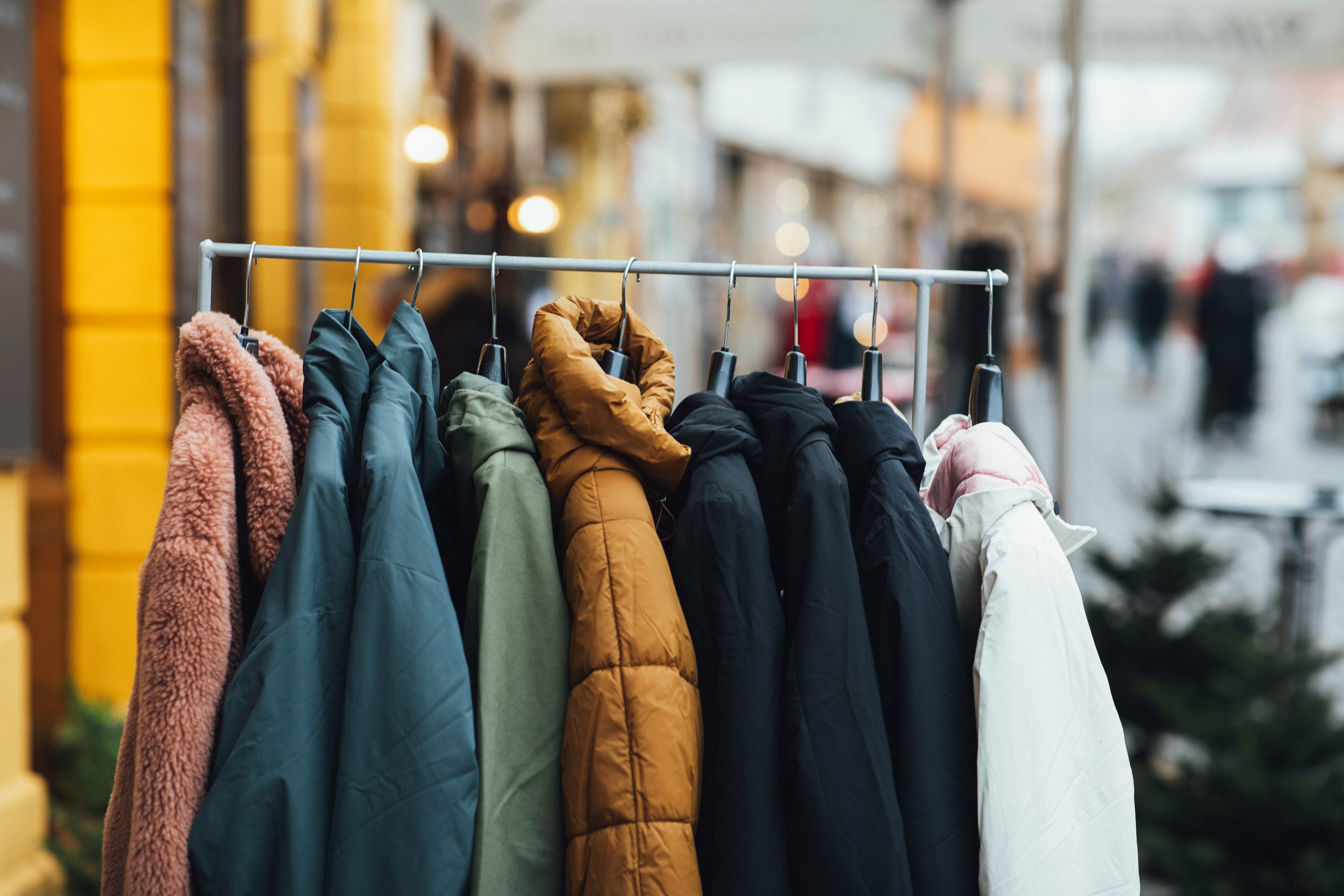
A jacket is a structured outer layer designed for protection, warmth, or style, with popular options including windbreakers, denim jackets, bombers, and other fashion-focused styles.
Key Features of Jackets
Jackets are designed as outer layers, with more structure and functional details than sweatshirts or hoodies. Features like zippers, collars, pockets, cuffs, and linings not only affect the overall look but also influence comfort and performance.
However, these construction details can limit available print areas and make customization more complex. While jackets usually come with higher production costs, they can create a more premium feel for brands looking to offer distinctive outerwear products.
Jacket Fabrics: Function, Style, and Product Appeal
Nylon and Polyester: Lightweight and Functional
Nylon and polyester shells are common in lightweight jackets, windbreakers, and sporty outerwear. They can feel light, resist wind to different degrees, and create an outdoor or active look. Performance depends on the exact construction and finish, so do not assume every synthetic jacket is waterproof. Decoration may require a method approved for the fabric to avoid heat damage or poor adhesion.
Denim and Canvas: Casual and Vintage Appeal
Denim and canvas provide durable texture, a timeless casual appearance, and enough structure for patches or embroidery. They suit vintage-inspired brands, workwear aesthetics, music merchandise, and lifestyle collections. Thick seams and pockets create placement limits, but those same details can become part of the design. Small chest embroidery and back patches often fit the garment better than a generic full-front print.
Leather: A Premium Fashion Statement
Leather and leather-look jackets carry a strong visual identity and can support higher perceived value. They are usually better for fashion-led collections with a clear customer than for low-cost design testing. Material quality, care, fit, hardware, and customization technique matter greatly. Sellers should avoid making broad durability or material-origin claims unless the current product specification documents them.
Is a Jacket a Good Choice for POD Products?
When Jackets Can Work for POD
Jackets can be a good POD option when a brand already has a clear style direction and customers willing to pay for premium outerwear. Embroidery, patches, small logos, cut-and-sew construction, or product-specific all-over printing may suit selected styles.
A jacket makes more sense for a focused, higher-value collection with clear audience demand than for a seller uploading dozens of untested graphics.
Challenges of Selling Jackets Through POD
Zippers, seams, pockets, collars, linings, and mixed materials affect where and how a design can be applied. Jackets may also carry higher production and shipping costs, which can make shoppers more price-sensitive and reduce impulse purchases. Strong photography, a detailed size guide, a clear material description, and a believable brand story are especially important when the retail price is higher.
For beginners testing many simple graphic ideas, a sweatshirt or hoodie is usually easier. Jackets are better treated as a deliberate outerwear category rather than a direct replacement for an entry-level printed top.
Sweatshirt vs Hoodie vs Jacket: What's the Difference?
Sweatshirts, hoodies, and jackets all have their own role in a wardrobe. Sweatshirts offer a simple, classic look that works well for everyday wear and layering. Hoodies add a hood and a more casual feel, while jackets provide more structure and protection as an outer layer. The right choice depends on factors like fabric, fit, weather, and how you plan to wear it.
For shoppers, the decision often comes down to personal style and comfort. For POD sellers, it also affects product cost, design options, and how the final product fits into their brand.
Sweatshirt vs Hoodie vs Jacket: When to Choose
| Feature | Sweatshirt | Hoodie | Jacket |
| Typical cost | Lower to moderate | Moderate | Moderate to high |
| Design space | Clean front and back | Front, back, sleeves, hood | Panel-dependent |
| Premium appeal | Fabric and finish led | Streetwear and comfort led | Structure and function led |
| Best design style | Graphics, minimal, vintage | Bold, community, streetwear | Embroidery, patches, cut-and-sew |
| Customization difficulty | Low to moderate | Moderate | Moderate to high |
| Best fit for | Basics and easy testing | Lifestyle and streetwear | Focused outerwear lines |
Sweatshirts are a good choice for brands looking for an easy-to-wear product with simple design placement.
Hoodies work well for casual and streetwear-focused collections that benefit from extra coverage and more customization areas.
Jackets are better suited for brands building premium outerwear products and are willing to invest more time in sampling, production, and presentation.
Conclusion
A sweatshirt is the simplest and cleanest casual layer, a hoodie adds an attached hood and relaxed character, and a jacket is a more structured outer layer. The best choice depends on what you want the product to achieve. Sweatshirts are easier entry products, hoodies bring stronger casual appeal, and jackets work better for brands building a more premium outerwear collection.
For custom apparel, sweatshirts and hoodies are often easier places to start because they provide practical print space and familiar product shapes. Inkedjoy offers current all-over print and custom apparel options that creators can review without committing to a bulk product range. Check each product page, download the correct design template, order a sample, and confirm the latest specifications before launch.
Enjoy this sweatshirt vs hoodie vs jacket guides content?
Make Inkedjoy a Preferred Source on GoogleFAQ: Sweatshirt vs Hoodie vs Jacket
What is the difference between a sweatshirt and a hoodie?
A hoodie is a sweatshirt with an attached hood, while a sweatshirt usually has a crewneck and no hood. Both can use similar fabrics like cotton, fleece, and blends.
Is a hoodie a jacket?
A zip-up hoodie can work as a light outer layer, but it is still a hoodie. Jackets usually have more structure and features like collars, closures, or weather-resistant materials.
What is the difference between a jacket and a hoodie?
A hoodie is a soft casual layer, while a jacket is a more structured outer layer designed for protection, warmth, or style.
Is a hoodie warmer than a sweatshirt?
Not always. A hoodie may feel warmer because of the hood, but warmth mainly depends on the fabric, thickness, and construction.
Can you wear a hoodie under a jacket?
Yes. A hoodie under a jacket is a common layered look. Choose a jacket with enough room to stay comfortable.
Is a jacket better than a hoodie for winter?
For cold or wet weather, a proper jacket usually offers better protection. A thick hoodie can work well in milder conditions or as a layering piece.
Which is better for all-over printing: a sweatshirt, hoodie, or jacket?
Sweatshirts and hoodies are usually easier to customize because they have simpler shapes. Jackets offer a premium look but may require more careful design placement.
Read more
Written by
Gina
A skilled marketing specialist with expertise in e-commerce marketing, and print-on-demand product research. She has extensive experience in keyword research, market analysis, and content strategy, helping brands find uncover profitable opportunities, improve search visibility, and drive sustainable growth through data-driven marketing.