

Vintage Custom Items: Classic Retro Personalized Gifts That Win Customers in 2025
The Case for Vintage and Retro Personalization in 2025
Shoppers are voting with their wallets for meaning over mass production. Across the 2025 holiday cycle and beyond, customers are seeking gifts that tell a story, feel discovered rather than manufactured, and align with values like sustainability and craftsmanship. Editorial coverage from independent curators underscores this shift toward unique vintage pieces with provenance and character. I see the same pattern repeatedly with founders I mentor: classic designs from enduring eras coupled with thoughtful personalization outperform trendy gadgets on conversion, retention, and word‑of‑mouth.
The cultural backdrop is powerful. The slow gifting movement has converged with an eco‑conscious mindset, where reuse and repair are celebrated as much as novelty. Publishers emphasizing thoughtful curation and high‑quality materials note that older dinnerware, crystal stemware, jewelry, and artisan glassware hold up beautifully in daily use and become conversation starters. Luxury vintage gift boxes and “Thriftmas” storytelling, as spotlighted by DLISH Magazine, illustrate an elevated take on secondhand that blends dignity with delight. The Vintage Fashion Guild adds a practical lens for giving vintage: pick condition‑appropriate pieces, lean into categories with fewer fit issues, and personalize by era, birth year, initials, or significant places.
In short, the strongest play for on‑demand printing and dropshipping merchants is to merge the romance of vintage design with the scalability of modern personalization. Done well, the result is a catalog that feels timeless and emotionally resonant yet operationally efficient.
What Counts as Vintage, Antique, Vintage‑Style, and Personalized
A shared vocabulary keeps teams aligned from design through fulfillment. Here is the working taxonomy I use with clients.
Term | What it means | Example | Where it shines | Caveats |
|---|---|---|---|---|
Antique | Generally 100 years or older | 1920s Art Deco cocktail shaker | Investment pieces, heirloom gifts | Scarcer supply, higher authentication burden |
Vintage | Older, previously owned, typically 20–99 years | Mid‑century teak serving tray | Uniqueness, patina, story value | Condition management, supply variability |
Vintage‑style | Newly made but era‑inspired aesthetics | Art Nouveau‑inspired candlestick | Consistent supply, modern materials | Avoid looking costume‑y; be authentic to the era |
Personalized | Any item customized to the recipient | Monogrammed barware, engraved cutting board | Emotional impact, premium price | Manage proofing, errors, and lead times |
Media sources across home, design, and gifting use similar definitions; the distinctions above reflect common trade usage and what buyers expect when they read item descriptions.
Why This Category Converts: Emotion, Story, and Sustainability
Vintage gifting wins because it serves three core human desires. First, it offers authenticity and uniqueness. There is only one cut‑crystal decanter with that exact wear and that exact maker’s mark, which signals thoughtfulness in a way mass items struggle to match. Second, it carries stories. An Art Deco necklace or a 1950s pair of crystal coupes bridges eras at the dinner table and keeps memories alive. Third, it aligns with eco values. Fashion and home editors remind us that rehoming quality pieces extends their lifespan and reduces waste. Vogue’s sustainability coverage cites industry estimates that clothing is too often discarded while still wearable, and resale players argue that the vast majority of garments tossed could be reworn or recycled. When you position vintage thoughtfully, you speak to both the heart and the conscience.
On the personalization side, mainstream publishers like Wirecutter highlight how customized classics—from embroidered sneakers to engraved jewelry—let givers fine‑tune a gift to the recipient’s tastes. Customization makes even familiar silhouettes feel singular, which is why thoughtful monograms, coordinates, or handwritten‑style engravings consistently earn social shares and referrals in my clients’ stores.

Trend Signals You Can Act On
The goal is not to chase every trend but to choose period‑correct styles your brand can execute with integrity. Coverage in Veranda points to rising interest in Art Nouveau and Art Deco, “frilly Murano” glass, apothecary jars used as lamps or planters, painted furniture, chinoiserie papier‑mâché, and a renewed appetite for dark wood anchored by the idea that every room benefits from a brown statement. That same reporting notes a 1stDibs insight about Gustavian pieces gaining traction, with purchases up significantly, which suggests early‑mover value for merchants willing to stage the look well.
Country Living’s trend roundup highlights real‑world price bandwidths on specific collectible categories such as perpetual calendars, scarab bracelets, and mahjong sets. Even if you do not trade those exact items, these signals help calibrate your sourcing filters and merchandising tone. For the mainstream nostalgia wave, Good Housekeeping’s coverage of retro gifting reminds us that the appetite spans generations, from classic board games to vintage‑looking barware and decor. The takeaway for e‑commerce founders is practical: select two or three era lanes that match your brand DNA, and build lines that can sustain consistent storytelling across seasons.

A Product Development Playbook for Vintage‑Inspired Personalization
Start with a clear era and aesthetic. If your brand leans toward mid‑century modern, anchor around warm woods, clean lines, and understated glassware. If you favor Art Deco, emphasize geometric patterns, symmetrical composition, and glam accents in silver, crystal, or polished lacquer. Then select a personalization method that feels true to the era: monograms in period‑appropriate typefaces for Deco, hand‑painted motifs or engraved florals for Nouveau, or subtle laser etching on teak and leather for mid‑century.
Create collections that pair a personalized hero item with a complementary vintage or vintage‑style accessory. A personalized Murano‑style carafe, for instance, gains status when paired with a small‑batch bitters and a story card about Venetian glassmaking. DLISH and other luxury curators demonstrate how presentation and provenance elevate perceived value. In my own launches, handcrafted story cards and era‑specific color palettes reduce time‑to‑add‑to‑cart because customers can picture the unboxing moment as soon as they land on the product page.
For print‑on‑demand products, build templates that turn data into narrative. Star maps for anniversary dates, blueprint‑style art for historic hometown theaters, Deco travel poster reissues with custom text, or city grid prints with marked coordinates all make timeless wall pieces that scale efficiently. Keep material choices premium with thicker paper stocks or framed options, and ensure your color profiles do justice to vintage tones.
Sourcing Authentic Vintage Without the Headaches
Authenticity and condition matter. The Chairish blog and other trade sources emphasize foundational skills like reading maker’s marks, understanding era‑specific construction, and embracing honest patina while avoiding functional damage. The Antiqued Journey adds sustainable sourcing techniques and quality checkpoints: inspect stability, chips, cracks, odors, and verify maker stamps to avoid reproductions when authenticity is the selling point.
Lauren’s sourcing guidance from LES Collection is a practical masterclass. Antique malls and fairs reward meticulous route planning and repeated passes; eBay favors specific keywords and judicious use of offer tools; live auctions can deliver exceptional pieces but often layer buyer premiums in the mid‑teens to mid‑twenties plus shipping. The smart move is to ask for item weights up front to avoid shipping shock on heavy items and to prefer auction houses offering in‑house shipping on smalls when possible. Marketplaces like Chairish and 1stDibs provide curation and discovery tools but may price at a premium or take notable platform fees, which you should model into your margins. Etsy can bridge gaps for targeted sourcing, especially when you bundle multiple items from a single seller to improve pricing.
The Vintage Fashion Guild offers a gift‑centric lens that translates well to retail: choose categories with fewer fit risks such as scarves, robes, hats with flexible sizing, or jewelry; match pieces to birth years, initials, hometowns, favorite teams, or preferred eras; and clean, mend, and present small flaws honestly when patina adds charm rather than detracts from function.
Channel | Speed to source | Typical cost profile | Biggest advantage | Watch‑outs |
|---|---|---|---|---|
Antique malls and fairs | Moderate | Wide range | Hands‑on inspection, serendipity | Time‑intensive, travel costs |
eBay and similar | Fast | Often efficient | Keyword precision, offer tools | Mislabeling risk, shipping surprises |
Live auctions | Variable | Can spike with premiums | Rare finds, adrenaline | Buyer’s premiums, shipping logistics, heavy items |
Vetted marketplaces | Fast | Higher averages | Curation, discovery tools | Platform fees, price inflation |
Local estate sales | Moderate | Often favorable | Negotiation, bundles | Early lines, size and condition traps |
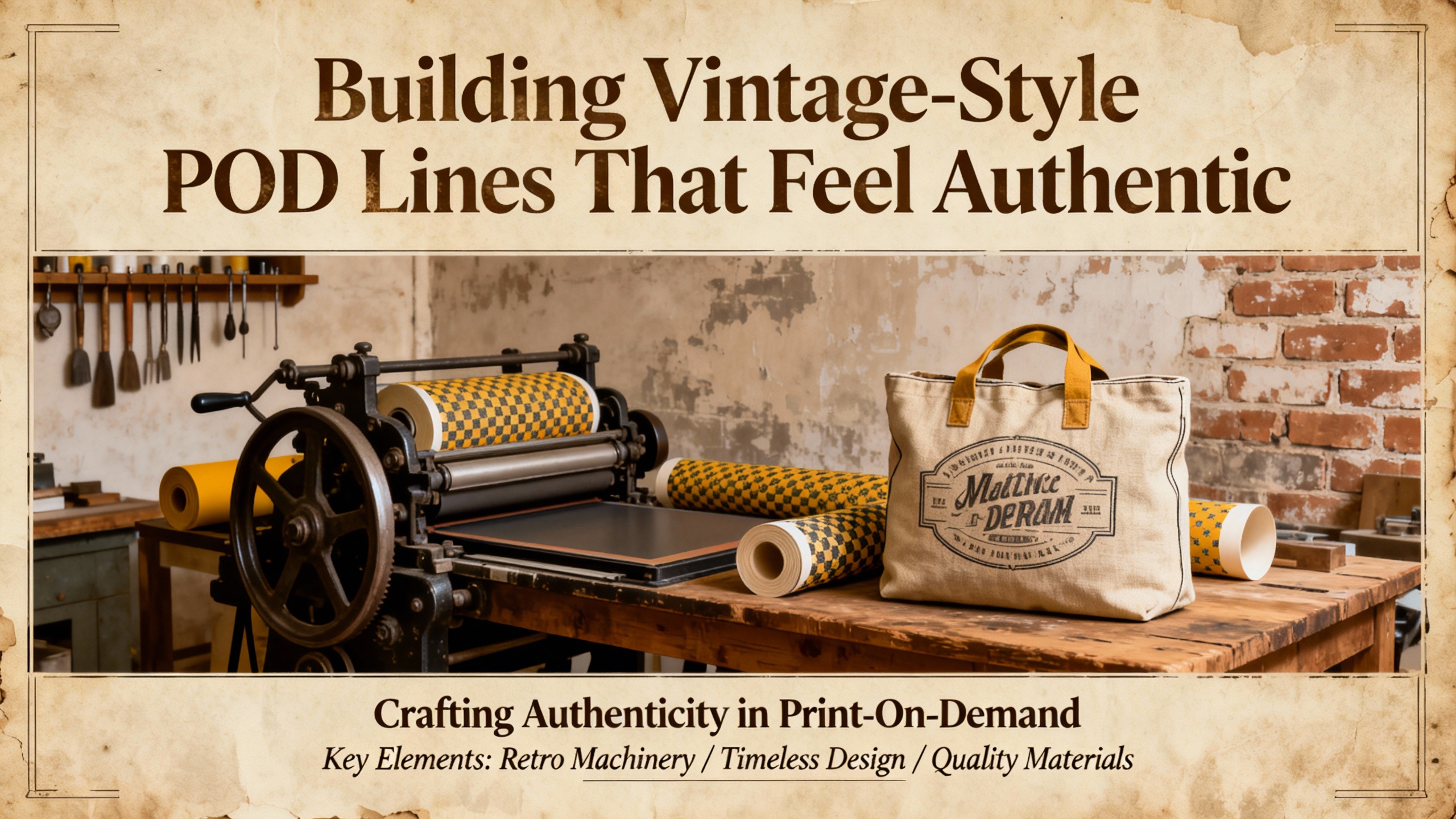
Building Vintage‑Style POD Lines That Feel Authentic
Personalized POD is a gift powerhouse when executed with taste and operational clarity. The Etsy‑focused guidance from Sale Samurai suggests doubling down on high‑intent keywords in titles, descriptions, and tags, and then supporting discovery with evergreen content and seasonal refreshes. Create artwork systems that replicate period details credibly: Deco geometry with restrained metallic accents, mid‑century palettes with warm, restrained woods and glass textures, or Nouveau florals drawn with graceful asymmetry. Offer consistent personalization inputs that can be rendered quickly by your production partners, and incorporate digital proofs for higher‑ticket items to reduce costly errors.
Build listings around use moments rather than product features. A monogrammed cutting board becomes the star of Sunday suppers and holiday spreads. A pair of custom bar glasses level up a new apartment party. A personalized city poster with engagement coordinates celebrates an anniversary without feeling saccharine. When you broaden a listing’s lifestyle context, you improve relevance and your odds of year‑round sales, not just December peaks.
Personalization Techniques That Feel Period‑Correct
Match method to material and era. Engraving suits metals, woods, and crystal stemware; etching or sandblasting complements glass; embroidery elevates textiles; foil‑stamped monograms add restraint to leather or stationery. Choose typefaces and ornamentation that belong to the period you are referencing. Deco demands geometric lines and symmetry. Nouveau calls for nature‑inspired curves and botanical motifs. Mid‑century asks for clean sans‑serifs and a modest approach to embellishment.
Avoid anachronisms that undermine credibility. A script that screams early web on a claimed 1930s motif will feel off to design‑savvy buyers. Where possible, include a brief style note in your product descriptions explaining the typeface or motif choice in human language, not design jargon. Many of my clients add a short story card with a line or two on the motif’s origin, which increases post‑purchase delight and makes recipients more likely to share the gift on social channels.
Pricing, Packaging, and Presentation
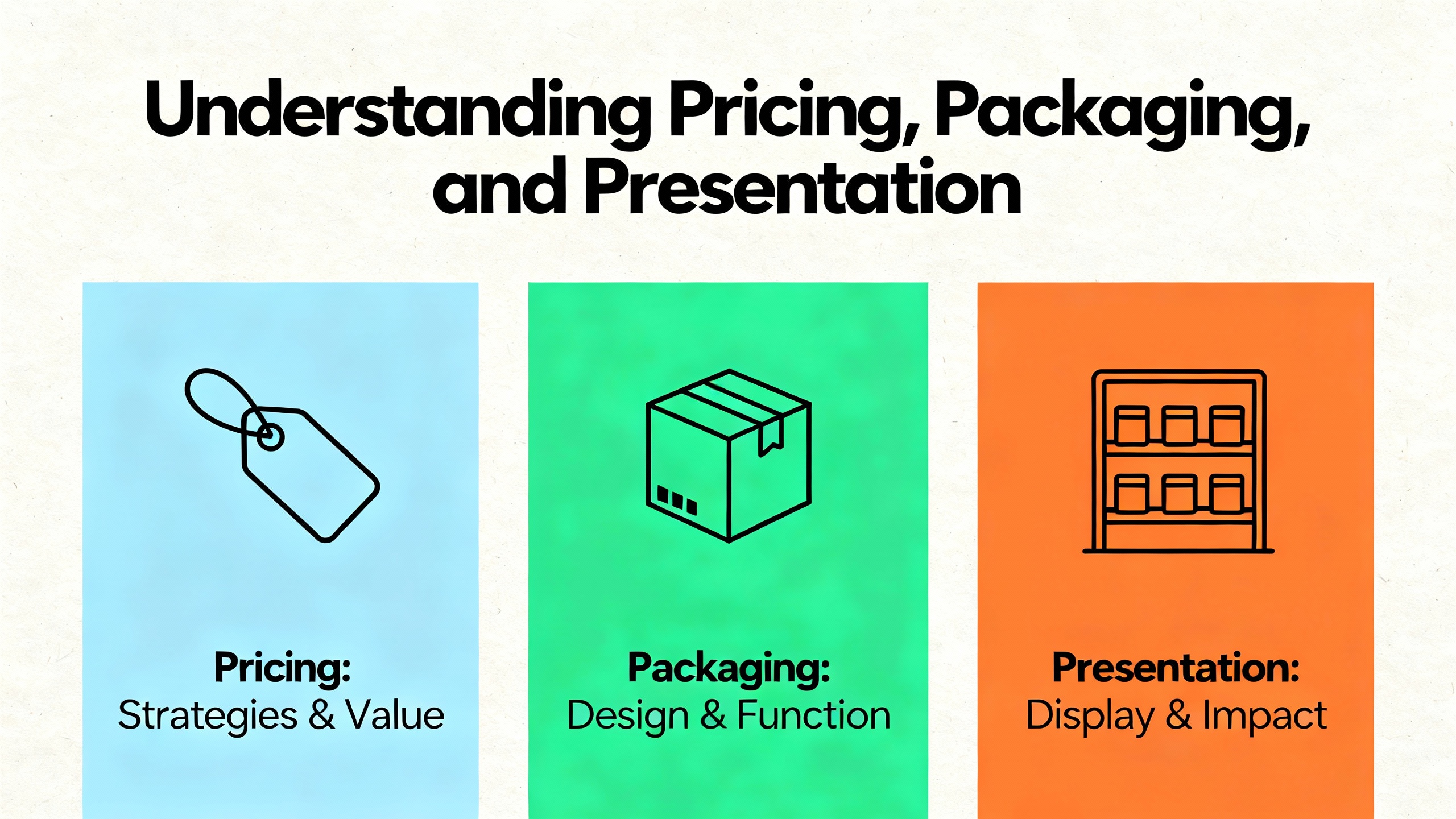
Vintage and personalized both support tiered pricing. Luxury curators have shown workable ranges that help with assortment planning. Accessible gifts like pressed glass dishes, small ceramics, or vintage books can be staged in the fifty to one‑hundred‑fifty‑dollar bracket. Mid‑range statement pieces such as cut‑glass decanters, silver‑plated trays, or Murano‑style glassware often live between one hundred fifty and five hundred dollars. High‑value heirloom candidates like sterling tea services, genuine crystal stemware sets, or signed studio pottery sit above five hundred dollars. These ranges are editorially observed rather than prescriptive; the point is to design an assortment with a clear entry, middle, and top tier that feels coherent to your audience.
Presentation multiplies perceived value. Luxury vintage boxes with handwritten story cards are effective because they turn an object into an experience. If you fulfill via dropship partners, you can still replicate this magic by including printed story inserts, tissue color that matches the era palette, and unboxing instructions that invite the recipient to slow down and notice details. I advise founders to standardize a small set of period‑specific packaging patterns and keep them in stock so that unboxing is consistent across SKUs.
Marketplace Strategy and SEO for Vintage and Personalized
Search drives discovery, and Etsy remains a top venue for personalized gifts. Practical, non‑gimmicky tactics perform well. Populate product titles with buyer language and long‑tail phrases that match intent for the occasion and recipient. Clarify how personalization works in the description and surface the input fields early. Use tags that combine era, material, style, and occasion. Turn on advertising before demand peaks such as Valentine’s Day, Mother’s Day, and Christmas. Support visibility with short‑form video demonstrating the personalization moment: a name engraving pass, a before‑and‑after proof, or a close‑up of period‑correct motifs. Micro‑influencers in the gifting niche respond to well‑packaged stories, especially when you give them a prompt that highlights the era narrative rather than pushing code‑heavy promotions.
For digital downloads such as custom wall art, move fast on proofs and provide concise instructions on printing and framing. Instant download options for template‑based goods can raise conversion when paired with a made‑to‑order tier that includes professional printing and a frame. The goal is to meet customers where they are—DIY buyers and convenience buyers both exist in this category.
Risk Management: Authenticity, Condition, and Compliance
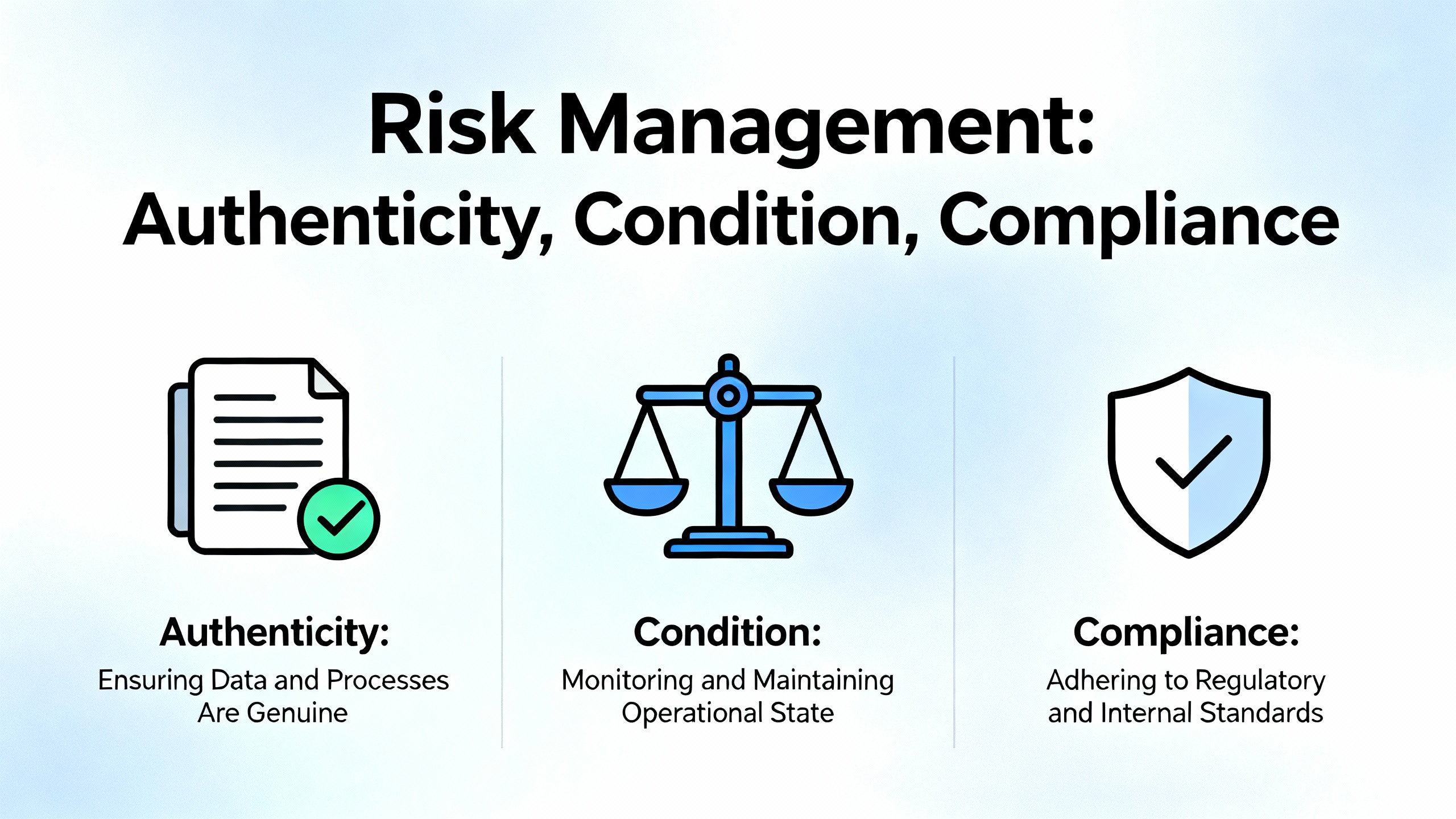
A few disciplines reduce headaches while preserving margins. Authenticity starts with education and documentation: maker’s marks, hallmarks, labels, or provenance notes build trust. Condition decisions benefit from a documented threshold. Original patina on a brass candlestick is desirable; a wobble that compromises safety is a drop. Size and weight diligence matters more than you expect. Merchants frequently over‑absorb shipping costs because an item is heavier or larger than it appeared in photos. Asking sellers for weight and exact dimensions before you commit saves avoidable losses.
Compliance is essential for personalized goods. Avoid copyrighted logos or character likenesses unless you have explicit rights. Focus your design language on public domain motifs, original artwork, or customer‑provided content with a robust license statement. For high‑ticket personalized items, digital proofs protect you from costly remakes; some teams create templated proofing workflows that still feel human and premium.
Operations: Fulfillment, Returns, and Scalability
Hybrid catalogs—authentic vintage, vintage‑style new goods, and personalized POD—scale well when you segment fulfillment. For fragile vintage, consider double boxing, corner protection, and insurance. For customized POD, select partners with dependable turnaround times and predictable color profiles. Offer clear return policies that balance customer empathy with the realities of one‑off personalization. My clients have seen success offering reprint discounts for minor typos when the proof was approved, and full remakes when the production partner errors are clear.
Plan a merchandising calendar that connects eras to US holidays and gifting moments. Art Deco cocktail sets and personalized barware sparkle in December party season. Mother’s Day favors mid‑century serving pieces with monogrammed textiles. Father’s Day invites personalized workshop decor or leather goods. Back‑to‑school can highlight study nooks outfitted with vintage‑style lamps and framed blueprint prints of campus landmarks.
A Simple Pros and Cons Snapshot
Model | Strengths | Challenges | When to prioritize |
|---|---|---|---|
Authentic vintage | One‑of‑a‑kind, high story value, eco‑aligned | Sourcing time, condition variance, authentication | Brand authority, premium positioning, PR moments |
Vintage‑style POD | Scalable, consistent quality, fast iteration | Must avoid pastiche, requires tasteful design | Year‑round cadence, SEO flywheel, evergreen SKUs |
Hybrid gift boxes | Elevated experience, strong AOV, giftable | More curation work, packaging logistics | Corporate gifting, milestones, high‑touch customers |
Inspiration from the Field
Luxury curators demonstrate that a 1970s Italian shaker paired with artisanal bitters and a story card can feel timeless and unforgettable. Designers and collectors share that auction finds can be exceptional when you account for buyer premiums and shipping, that platform fees on vetted marketplaces require margin planning, and that image search tools help with attribution. Lifestyle editors show customers gravitating toward mid‑century silhouettes, Art Deco glamour, and whimsical Murano forms, and they point to practical categories with broad appeal like jewelry, barware, and decor that require fewer fit decisions. Mainstream gifting coverage shows how personalization of familiar icons—from sneakers to cutting boards—lets buyers tune a gift to the recipient without the risk of getting era style wrong. All of these ideas translate into profitable, durable SKUs when you respect the period, mind the details, and package the story.
FAQ
What if I cannot reliably source authentic pieces at scale? Blend. Lead with one‑of‑a‑kind vintage as halo products that tell your brand story and generate press, then let vintage‑style personalized goods carry volume. Use consistent era palettes and packaging to unify the catalog.
How do I keep personalization from looking cheap? Limit the palette and fonts to period‑correct choices, restrain the size of monograms or engravings, and place them where the original designer might have. Invest in proofs for premium orders and in photography that shows the personalization at natural viewing distance, not just extreme close‑ups.
Can I mail high‑value fragile items without breakage and returns killing profit? Yes, if you design for shipping. Double box with corner protection, keep heavy items centered, avoid void‑fill that shifts, and insure shipments. Photograph items before packing for claims. For especially fragile glass or crystal, ship sets in smaller sub‑packages rather than a single heavy carton.
Final Thoughts
As a mentor who has guided many founders through vintage and personalization, I return to one principle: honor the era and honor the recipient. When you combine credible period design with thoughtful customization, you create gifts that feel like they were meant for one person, from one specific time, now in one unforgettable moment. That is the kind of commerce that earns loyalty and lasts.
References
- https://vintagefashionguild.org/blog/tips-for-giving-vintage-as-a-gift/
- https://www.marthastewart.com/best-vintage-collectibles-8786895
- https://www.admiddleeast.com/story/how-to-collect-vintage-design-expert-approved-tips-for-sourcing-authentic-pieces
- https://www.dabblinganddecorating.com/vintage-gift-ideas/
- https://www.mixmeasuremake.com/home-and-vintage-gift-ideas/
- https://salesamurai.io/how-to-succeed-in-personalized-gifts-on-etsy/
- https://sweetie-roses.com/the-rise-of-vintage-style-gifts-what-retailers-need-to-know-in-2025/
- https://theantiquedjourney.com/vintage-decor-shopping-guide-the-best-tips-for-sourcing-like-a-pro/
- https://themomedit.com/holiday-shopping-unique-vintage-gift-ideas-retro-art-jewelry-clothing-glassware-etsy-ebay-jess/
- https://www.vintageshopper.com/collections/vintage-gifts?srsltid=AfmBOoq7gAPgbP9kE__KTt04uq26a-dIP0rRstpa2SmRZ5PLneQUBJJ-