
Youth Shirt Size Guide: Size & Design Tips for Custom Printing
Key Takeaways
- Youth shirt sizes differ from toddler and adult sizes; using a specific size chart is crucial for accurate fitting.
- Physical measurements (height, chest, length) are more reliable than age or weight for determining the correct size.
- Sizing up for an oversized look is not the same as choosing a garment designed with an oversized cut; they fit differently.
- Print size must be scaled proportionally to the shirt size; one print size does not fit all youth sizes.
- Design choices should vary by age group, from simple, soft designs for toddlers to trend-based graphics for teenagers.
Finding a perfect shirt size for kids not only requires a quick guess but also some accurate numbers which can be given by a youth shirt size chart. It will save you from making mistakes if you are shopping for your child, ordering classroom or team shirts on your own, or planning to launch an online line of youthful fashion. In general, clothing sizes for youth have differences from adult sizes, and slight misfits or errors in print placement make the whole thing look wrong. This article shows you how to find out youth shirt sizes from XS to XL, the art of print sizing, and a few design tricks to keep your youths' shirts stylish, whatever the body types are.
Youth Shirt Size Chart: From XS to XL
Toddler and adult categories both being different from youth sizing make this chart one of the most useful and accurate ways to know the proper size of clothing for your kid or a customer. First, before printing or placing an order, locate where on the chart your child or customer belongs:
Toddler Shirt Sizing
Fitting shirts for toddlers can be described in sizes such as 2T, 3T, 4T, and 5T rather than standard sizes such as 2, 3, 4, or whatever. A 3T shirt is designed to fit a baby by providing a shorter body and enough space for a diaper, while the size 3 in regular baby fashion clothing is considered to be suitable for a more developed and taller frame.
Toddler 2T–5T Size Chart
| Size | Body Length | Chest Width | Suggested Height | Suggested Weight |
|---|---|---|---|---|
| 2T | 15" | 10.5" | 33"–35" | 25–28 lbs |
| 3T | 16" | 11" | 36"–38" | 28–32 lbs |
| 4T | 17" | 11.5" | 39"–41" | 32–36 lbs |
| 5T | 18" | 12" | 42"–44" | 36–40 lbs |
Toddler shirts are primarily designed to be comfortable and easy to get on and off. For this reason, styles usually have shorter and boxier cuts as opposed to more typical styles designed for older children. It is fairly common for children to move from toddler to younger kid sizes at about the age of four to five because at that stage their torso becomes longer and their shoulders are the right shape for most tops. Nevertheless, physical attributes like height and build may be more influential factors in this change than a mere birthday.
Youth Shirt Sizing
Youth sizes are generally divided into two: smaller sizes, which cover infants and toddlers, and larger ones for children close to teens. While an approximate age may guide your choice, in the end, it is measurements that best determine a child's size since kids of the same age can vary greatly in height, chest width, among others.
However, remember that due to differences in design between manufacturers and models, sizes may not exactly match. A narrow-fitting youth T-shirt and a loose-fitting one with the same label do not necessarily have the same measurements. Use the chart below for orientation and consult the specific brand's dimensions wherever it is handy.
Youth Shirt Sizing for Ages 5–12
| Size | Body Length | Chest Width | Sleeve Length (short/long) | Suggested Height | Suggested Weight |
|---|---|---|---|---|---|
| Youth XS | 18.5" | 13.5" | 5.5" / 15.5" | 43"–46" | 42–48 lbs |
| Youth S | 20" | 14.5" | 6" / 16.5" | 47"–52" | 48–58 lbs |
| Youth M | 22" | 16" | 6.5" / 17.5" | 53"–58" | 58–72 lbs |
| Youth L | 24" | 17.5" | 7" / 18.5" | 59"–63" | 72–88 lbs |
Youth Shirt Sizing for Ages 13–18
| Size | Body Length | Chest Width | Sleeve Length (short/long) | Suggested Height | Suggested Weight |
|---|---|---|---|---|---|
| Youth XL | 26" | 19" | 7.5" / 19.5" | 64"–68" | 88–110 lbs |
Older kids in this age range still have youth sizes, but lots of teens are exactly at a very borderline size between Youth XL and Adults. So is Youth XL the same as Adults'XS
Not quite. Adult tops have a wider measurement at the chest and are longer in the body, which can be even in the smallest adult size. So a teen who can fit a youth XL may find Adult XS to be really oversized on the shoulders, but it may have the right fit down at the bottom. Or the other way round.
A few hints for that in-between phase:
- After your teen's chest measurement exceeds 34 inches, try adult XS/S.
- Age is not necessarily the only factor; a 13-year-old's chest measurement does not necessarily differ from a 17-year-old's.
- Think about whether you would prefer the clothes to be tight or rather loose. If you prefer a tight look, you can stay with Youth XL for a little more while, whereas a loose style can even allow you to jump sizes to Adult S earlier.
- Measure the exact size of the item from the brand as opposed to just looking for size numbers only.
- Overlapping age groups here, rather than one fixed point. Two kids who are the same age may be in totally different sizes, so the chart should just be used as a rough guide, and final confirmation should be done by measuring.
Youth Oversize ≠ Sizing Up – What's the Difference?
You are mixing up two products if you wear an oversized youth shirt with your regularly sized one, and sizing up only the latter will give you a better fit. Sizing up means you get the larger size of the same cut; that is, a Youth M would now be a Youth L. The shirt as a whole grows proportionally. A true oversize fit, however, is a completely different design that has features like drooping shoulders, widened sleeves, and a broader body by intention.
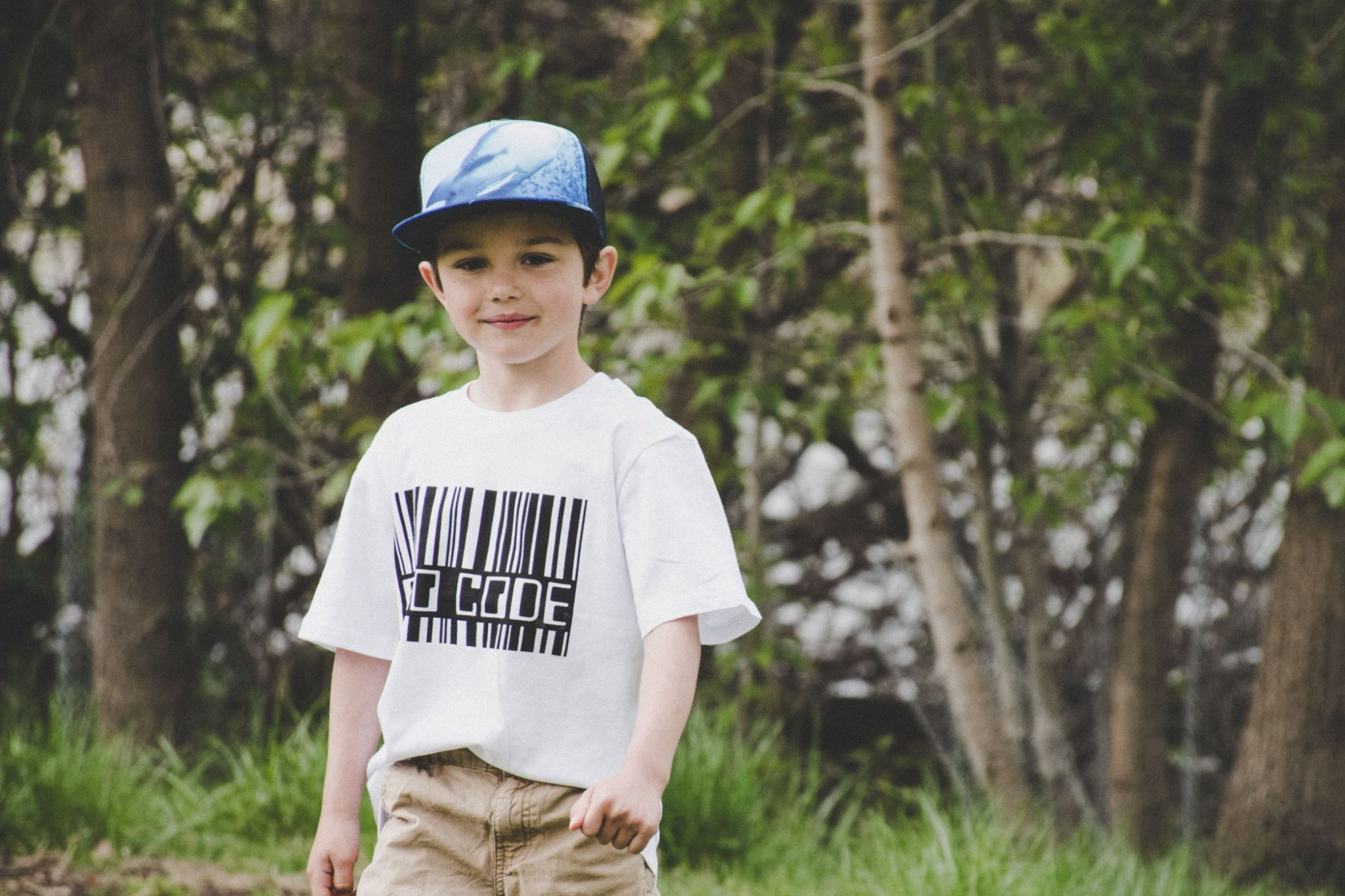
If you want to look like you're in an oversized shirt and you simply go from Youth M to Youth XL, usually, you end up getting not what you desire, but rather the opposite.
- The shoulder seam lies further down than the natural line of the collar.
- The sleeve length drops well past the elbow, not ending at a comfortable length when one just stands.
- The bottom hem comes to a very strange place; it reaches below the hip, which seems to be a mistake and not a choice of the style.
- The wrong idea about a "regular" youth shirt being "oversized" often results in many returns and many dissatisfied and angry customers who expect the typical drooping shoulder look, of it to which, however, they have no option except the plain regular youth cuts available and therefore size up one size only (e.g., Youth S to Youth M).
How to Measure Your Child for the Right Fit
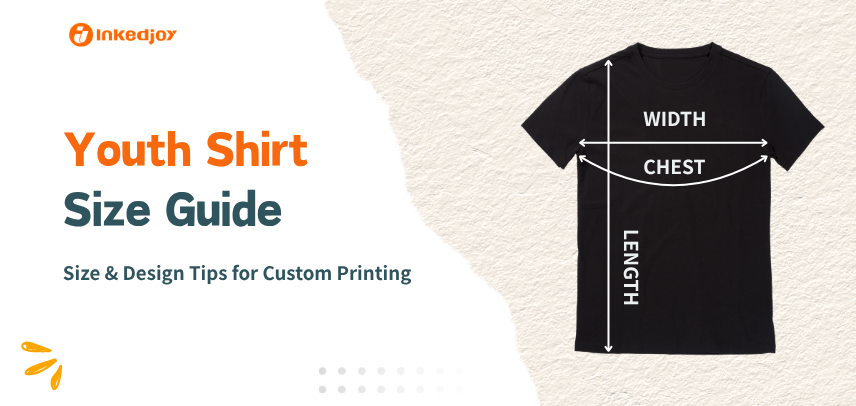
Forget it by making estimates. Instead, get yourself a soft tape measure and record the three significant dimensions:
- Standing Tall: The measurement should be from the top of the head to the heels with the child standing erect.
- Chest: It's under the arms at the widest chest area, and it's kept straight when the tape is wrapped around.
- Length: It's from the top of the shoulder to the bottom hem.
These three numbers: once you have them, you can compare them with the brand's size chart, which is specific rather than relying on a generic one.
If your child has already got a shirt that fits and is good, then just lay it flat and check the measurements.
This method can be far quicker and more precise than measuring a restless kid.
Between Two Sizes? Here's How to Choose
Not getting to decide when the measuring results are in the average between two sizes is a very common thing. Here are some clues to make it clearer:
- You'd want to size up so the child can outgrow the shirt at a later time instead of outgrow in just months.
- A tight-fitting shirt is what you want? Then the smaller size is suitable. Whereas, if the fit you want is a loose one, then the bigger size is the pick.
- The type of garment also matters. Stretchy cotton blends are more forgiving with tighter fits than fabrics that are stiff or heavyweight.
- Shrinkage after washing: The cotton garment may shrink slightly after the first few washes, so you have to account for this change.
- However, if it's a style piece that the brand already designs to be roomy, you do not have to go up a size even then. Keep the size that matches the measured dimensions of your child because the extra space you get in the fit has already been incorporated into the cutting design.
Getting the Print Size Right
With the knowledge of your shirt size, selecting a print design compatible with it becomes vital. The sizes of print and shirt complement each other, and a design that looks proportionate on one shirt size may turn out awkwardly on another.
Don't Use One Print Size Across Every Youth Size
A design that is sized to fit a Youth XL may look way too big (maybe too much) when placed on a Youth XS. As chest width and body length differences decrease a lot from smallest to largest Youth sizes, you scale your print for each size so that the proportions stay correct.
Youth vs. Adult Print Sizes
Youth shirts basically require all types of placement prints to be smaller in print size in comparison to adult sizes, due to smaller chest and back panels which are much narrower and short.
Youth T-Shirt Print Size Chart (Common Print Locations)
| Youth Shirt Size | Full Front | Full Back | Left Chest | Oversized Front | Outer Back Neck | Short Sleeve | Long Sleeve | Center Chest |
|---|---|---|---|---|---|---|---|---|
| Youth XS | 8" x 10" | 8" x 10" | 3.5" x 3.5" | 9" x 11" | 2" x 2" | 3" x 3" | 3" x 3" | 6" x 7" |
| Youth S | 9" x 11" | 9" x 11" | 3.75" x 3.75" | 10" x 12" | 2" x 2" | 3" x 3" | 3" x 3" | 6.5" x 7.5" |
| Youth M | 10" x 12" | 10" x 12" | 4" x 4" | 11" x 13" | 2.25" x 2.25" | 3.5" x 3.5" | 3.5" x 3.5" | 7" x 8" |
| Youth L | 11" x 13" | 11" x 13" | 4" x 4" | 12" x 14" | 2.25" x 2.25" | 3.5" x 3.5" | 3.5" x 3.5" | 7.5" x 9" |
| Youth XL | 12" x 14" | 12" x 14" | 4.25" x 4.25" | 13" x 15" | 2.5" x 2.5" | 4" x 4" | 4" x 4" | 8" x 9.5" |
Think more of these numbers as a reference point than a set of instructions. The cut of the garment, the style, and the brand are the major factors in deciding what the perfect print size for a shirt is. Don't just stick to a chart - it will definitely work better for you to change the dimensions based on the particular shirt in front of you.
What Print Technique to Go With?
You have to figure out what works best for your design, the garment's type of material, and how big of a batch you need. Below is a summary of the primary techniques for children's clothing printing:
DTF Printing
DTF (Direct to Film) allows for printing highly elaborate, multi - colored designs and is also perfectly good for a small or medium-sized number of clothes. If you run a print-on-demand business and want to get your prints as quickly as possible without making a large first order, DTF is a great bet for you.
DTG Printing
DTG (Direct to Garment) printing is mostly for 100% cotton articles and is particularly great at producing prints of fine details that feel gentle against human skin. That's quite a factor for children's clothes, as the children will often detect a stiff or heavy print.
Screen Printing
Screen printing is the method you want for a large batch of products and to get a simple graphic with fewer colors. It will get expensive up front for a single or small custom production, but when the amounts get quite high, it actually gets pretty affordable.
Sublimation
Only polyester fabric can be printed with the help of the sublimation technique, which makes color reproduction bright and colorfast. The reason sublimation printing is usually the one you would select is that it is a great match for garments where the entire surface area is to feature a design, as the inks combine with the fabric instead of merely resting on its surface.
Which Method Fits Your Order?
| Situation | Recommended Method |
|---|---|
| Personalized Etsy orders | DTF |
| Detailed artwork on cotton | DTG |
| School or team bulk orders | Screen Printing |
| Polyester or all-over-print youth apparel | Sublimation |
Design Tips for Smaller Shirts
Regardless of whether you're the first Etsy new seller setting up a children's t-shirt shop, or a mature brand updating your adult best-seller design for children, just making a couple of changes in your design will totally change the end product's appearance and comfort.
Scale the Design for Youth Shirts—Don't Just Shrink It
Sometimes people just put a design intended for adults on a younger child's shirt without proper scaling, which is a mistake that usually leads to disappointment in the outcome.
You should:
- Redesign the placement of graphics, text, and logos, and make the composition fit the smaller space instead of a compressed layout.
- Delete those parts and elements of the design that do not look right at a smaller size, either because they are too intricate or too faint after scaling down.
- Alter the weight of typography, the line thickness, and the proportions of graphic elements for the design to still be legible and attractive at the smaller scale.
- Make the principal visual element large and clear, and diminish or eliminate secondary elements which compete for visual attention.
Take, for instance, a coordinating daddy-baby shirt set. In the adult version, there can be a full front graphic with the subtitle at the bottom. However, the subtitle in the kids' model is often omitted, or it is very small if they decide to put it all together. The big graphic is still there, of course, and remains centered and bold, but the character is a bit smaller. Uniqlo's 30th anniversary Pokémon collection did the same.
Design for Age Group
Since the wearer, the buyer, and the use case change, the design choices for different age groups should vary accordingly.
Toddler Shirts
When it is a question of toddler shirts, the parent who buys is the one to satisfy through design. Therefore, designs should be eye-catching for the parents first of all. Make sure that the graphics are clean and simple for the parent to quickly recognize them, and the garment is comfortable as well as easy to wash.
Considerations
| Considerations | Design Tips |
|---|---|
| Design Style | Simple, bold shapes with minimal detail |
| Text | Short, playful words or none at all |
| Color | Soft, neutral tones with bright accent colors |
| Printing Area | Center chest |
| Printing Size | Recommended range: 5"–8" |
| Fabric & Fit | Soft, breathable cotton blends with tagless labels |
Youth Shirts (Ages 5–12)
Ages 5–12 represent a great stage for children forming their personalities and tastes, including the kind of clothing they want to wear on their backs. That being said, it's extremely important that the design not only interests the child, but it also makes a great impression on the parent who is going to pay for it.
Considerations
| Considerations | Design Tips |
|---|---|
| Design Style | Fun, character-driven, or theme-based graphics |
| Text | Short phrases, names, or team slogans |
| Color | Bright, high-contrast colors |
| Printing Area | Full front or left chest |
| Printing Size | Recommended range: 8"–11" |
| More Products to Add to Your Lineup | Matching hoodies, hats, or tote bags for siblings or teams |
Youth Shirts (Ages 13–18)
Middle school and high school adolescents are more fashion-forward than younger children, so their wardrobe consists more of adult style references. Thus, it makes sense to design teen clothes more in line with adult trends rather than having childish elements on the shirt, which will probably be disliked by older teenagers.
Considerations
| Considerations | Design Tips |
|---|---|
| Design Style | Streetwear-inspired, minimal, or trend-based graphics |
| Text | Bold statements, brand-style logos |
| Color | Muted or monochrome palettes with select bold accents |
| Printing Area | Full front, full back, or oversized front |
| Printing Size | Recommended range: 10"–14" |
| Transitioning to Adult Sizes | Offer the same design in Adult XS/S so teens can size up without losing the graphic they like |
Order a sample shirt printed at the size you are most likely to use for a final design if you are uncertain across different age groups. A design that you see right from the screen can look very different once it is printed on a real fabric shirt, which is why the sample is there to highlight any sizing or placement problems before you place an order.
Conclusion
Accurate youth shirt sizing requires the measurement of actual clothes, some waiting a bit, and design decisions compatible with the size of fabric you will print on. The more you learn, you will be surprised to find out that there is a size chart, knowing the print dimensions, and the correct printing method make getting perfect custom youth apparel very easy right from the start.
Are you ready to get your little ones interested in wearing what you come up with? Inkedjoy's youth shirt collection is waiting for you. Begin customizing a design that your little ones can wear with pride and confidence, front and back.
Find this youth shirt size guide helpful?
Make Inkedjoy a Preferred Source on GoogleFrequently Asked Questions
How much difference is there between kids large and adult small?
Kids large is usually smaller than adult small. Sizes vary by brand. Check actual measurements instead of labels.
What size is a youth medium shirt?
Youth medium fits kids from 53-58 inches tall with a 16-inch chest width. Numbers vary slightly by brand.
What is the youth small shirt size?
Youth small fits kids from 47-52 inches tall with a 14.5-inch chest width.
What size is a youth large T-shirt?
Youth large fits kids from 59-63 inches tall with a 17.5-inch chest width.
Can I use the same design for adult and youth shirts?
Reuses the idea but modifies the print size and placement. A design from an adult template tends to appear either too big or too cramped for youth sizes.
Should I use the same print size for youth and adult shirts?
No. Youth shirts have narrower chest widths and shorter body lengths, requiring smaller scaled-down print sizes.
What is the best print method for youth shirts?
It depends on fabric type and order volume; DTF and DTG work well for cotton and complex designs; screen prints suit bulk simple styles; sublimation works for polyester and all-over prints.
Do youth shirts shrink after washing?
Cotton youth shirts may shrink slightly after washing, but by less than 0.5 inches. Cold washing helps maintain fit close to true size.
Read more
Written by
Gina
A skilled marketing specialist with expertise in e-commerce marketing, and print-on-demand product research. She has extensive experience in keyword research, market analysis, and content strategy, helping brands find uncover profitable opportunities, improve search visibility, and drive sustainable growth through data-driven marketing.