

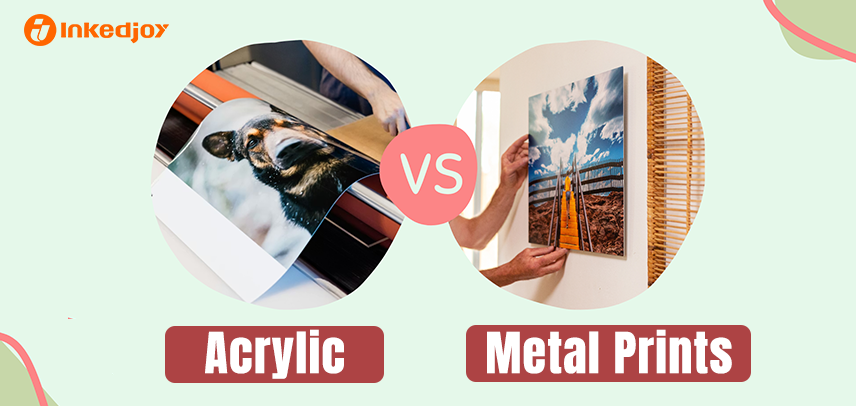
Acrylic vs Metal Prints: Which One is Best for Your Store
Key Takeaways
- Acrylic prints vs. metal prints comes down to finish, depth, durability, and where the artwork will be displayed.
- Acrylic prints offer a glossy, gallery-style look with strong color depth and a more premium, glass-like appearance.
- Metal prints are lightweight, durable, and resistant to moisture, making them a practical choice for high-traffic or humid spaces.
- If you want vivid detail and a sleek modern presentation, acrylic may be the better fit; if you want easy maintenance and toughness, metal often stands out.
- Budget, lighting, room conditions, and your preferred visual style are the main factors to compare before choosing between the two.
Table of Contents
- How to Choose the Best Print Material for Your Space, Budget, and Image Style
- What Changes Most Between the Two: Color Depth, Glare, Texture, and Visual Impact
- When Each Option Makes More Sense for Home Decor, Photography, Gifts, and Business Displays
- Cost, Durability, and Maintenance: The Tradeoffs That Matter Before You Order
- Common Buying Mistakes to Avoid When Comparing Wall Art Materials
- Our Recommendation by Use Case: What to Pick in 2026 Based on Your Priorities
How to Choose the Best Print Material for Your Space, Budget, and Image Style
In acrylic prints vs. metal prints, the right choice usually comes down to three factors: lighting, viewing distance, and how polished or industrial you want the room to feel. Acrylic adds depth and a glass like finish that makes portraits, wedding photos, and colorful travel shots look richer. Metal feels cleaner and more contemporary, with a flatter surface that suits landscapes, black and white photography, and bold graphic art.
| Factor | Acrylic | Metal |
|---|---|---|
| Visual effect | Glossy depth, vivid color | Crisp detail, modern finish |
| Budget | Usually higher | Often more cost conscious |
| Room fit | Living rooms, gift displays | Offices, kitchens, minimalist spaces |
A common mistake is choosing acrylic for a bright room with many windows. Its shine can reflect too much light and hide detail. Metal is often easier in sunlit offices, hallways, or commercial interiors. If the print will be handled often or shipped regularly in a POD workflow, weight and packaging matter too.
Metal is typically lighter and simpler to manage at scale, which is one reason many sellers compare options on print on demand platforms like Inkedjoy.

If you are deciding image by image, use acrylic for emotional, high color photos and metal for clean, sharp visuals. For more material context, this print comparison guide offers a useful baseline. If surface finish is still your sticking point, understanding print texture helps clarify what glossy depth can and cannot do. Compare print options with a supplier built for clear product workflows.
What Changes Most Between the Two: Color Depth, Glare, Texture, and Visual Impact
In acrylic prints vs. metal prints, the biggest difference is how the image behaves in real light. Acrylic tends to add depth and a glass like finish, while metal gives a cleaner, flatter, more contemporary presentation. Neither is automatically better. The right call depends on the artwork, the room, and how close people will view it.
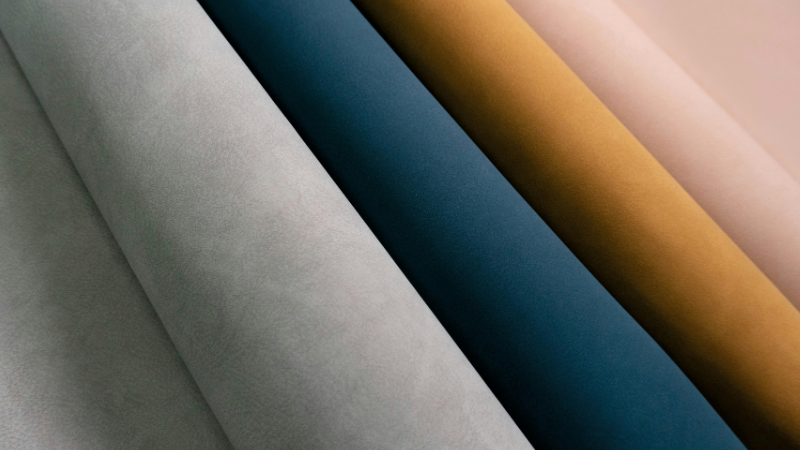
Acrylic usually makes colors look richer, especially blacks, saturated tones, and high contrast photography. Cityscapes at night, underwater scenes, and bold portraits often gain more visual depth behind acrylic. The tradeoff is glare. In rooms with windows, spotlights, or overhead fixtures, reflections can compete with the image. That is the mistake I see most often: choosing acrylic for a bright room without checking viewing angles first.
Metal prints reflect light too, but they usually feel less heavy visually. They suit modern interiors, travel photography, minimalist artwork, and images with crisp lines. Color can still look vivid, but the effect is more direct than layered. If you want the print to feel sharp rather than glossy and deep, metal often reads better.
| Factor | Acrylic | Metal |
|---|---|---|
| Color depth | Richer and more dimensional | Crisp and clean |
| Glare risk | Higher in bright spaces | Moderate, depends on finish |
| Texture feel | Smooth, polished surface | Smooth, more industrial look |
If your goal is visual drama, acrylic is often the stronger option. If your goal is clarity, modern styling, and easier placement across different rooms, metal is usually the safer choice. If product quality and sourcing details matter, it helps to review the process in one place.
When Each Option Makes More Sense for Home Decor, Photography, Gifts, and Business Displays
In practical buying decisions, acrylic prints vs. metal prints usually comes down to lighting, subject matter, and how the piece will be used over time.
For home decor, acrylic often makes more sense in living rooms, bedrooms, and spaces where you want a polished gallery look. It adds depth and a glass like finish that flatters family portraits, travel shots, and colorful wall art. The tradeoff is glare. In rooms with large windows or direct lamps, that reflective surface can become distracting.
Metal works better for modern interiors, kitchens, hallways, and apartments with simpler styling. It handles humidity well and gives landscapes, black and white photography, and bold graphic art a cleaner, more contemporary feel. A common mistake is choosing metal for soft skin tone portraits, where the finish can feel a little less warm than acrylic.
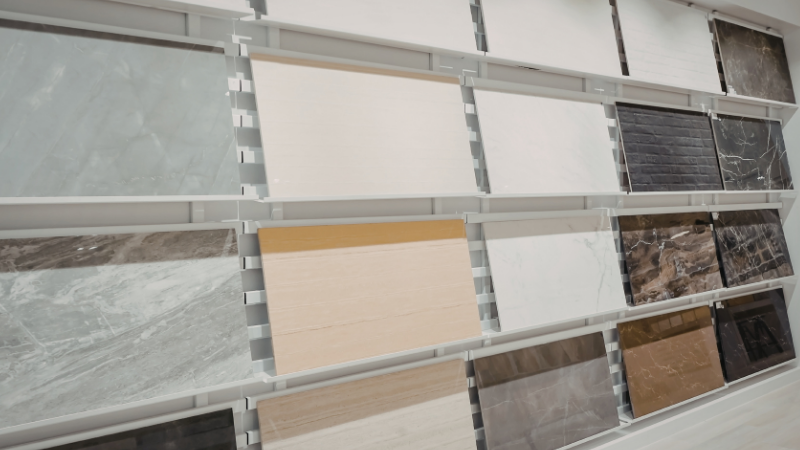
For photographers selling prints, acrylic is often the stronger option for premium portrait work and fine art presentation. Metal is a smart choice for commercial photography, cityscapes, nature images, and pieces meant for easier maintenance in busy spaces.
For gifts, acrylic generally feels more formal and display focused. Metal is often the safer pick for recipients who prefer practical decor, lighter visual weight, and lower maintenance. If you are not sure about the recipient's style, metal tends to fit more interiors without demanding attention.
Business displays are where metal frequently pulls ahead. It is durable, modern, and well suited to offices, cafes, salons, and retail walls that need clean presentation with less worry about fingerprints and reflections.
| Use case | Usually the better fit |
|---|---|
| Portrait led home decor | Acrylic |
| Modern spaces and business walls | Metal |
Cost, Durability, and Maintenance: The Tradeoffs That Matter Before You Order
In acrylic prints vs. metal prints, the smarter choice usually comes down to where the piece will live, how often it may be handled, and how much replacement risk you can tolerate. Acrylic often costs more because you are paying for thickness, polish, and a premium face mounted look. Metal is often the more efficient option for stores that need strong visual impact without pushing pricing too high, especially across multiple sizes.
| Factor | Acrylic | Metal |
|---|---|---|
| Typical price position | Higher | Often lower |
| Impact resistance | Can crack if dropped | Less likely to shatter |
| Cleaning | Needs gentle cloth and care | Generally simpler to wipe clean |
Durability is where many buyers make the wrong assumption. Acrylic has good scratch and fade resistance in normal indoor use, but it is still a rigid plastic surface that can show fingerprints, hairline marks, and edge damage if packed or cleaned poorly. Metal prints are usually easier to manage for busy homes, office walls, and higher traffic spaces because they are lighter to handle and less vulnerable to cracking during shipping.
Maintenance also matters after delivery. Acrylic needs a soft microfiber cloth and a non abrasive cleaner. Paper towels are a common mistake. Metal is more forgiving, which is useful for hospitality, commercial displays, or print on demand sellers trying to reduce post purchase complaints.
If your buyer wants a polished gallery style finish, acrylic may justify the extra care. If they want lower maintenance and fewer handling concerns, metal is often the safer operational choice.
Common Buying Mistakes to Avoid When Comparing Wall Art Materials
A common mistake in acrylic prints vs. metal prints decisions is focusing on material first and image file second. If your photo is soft, dark, or heavily compressed, neither surface will fix it. Acrylic tends to amplify depth and contrast, while metal often reveals detail with a cleaner, flatter finish. That means file quality matters even more than product descriptions suggest.
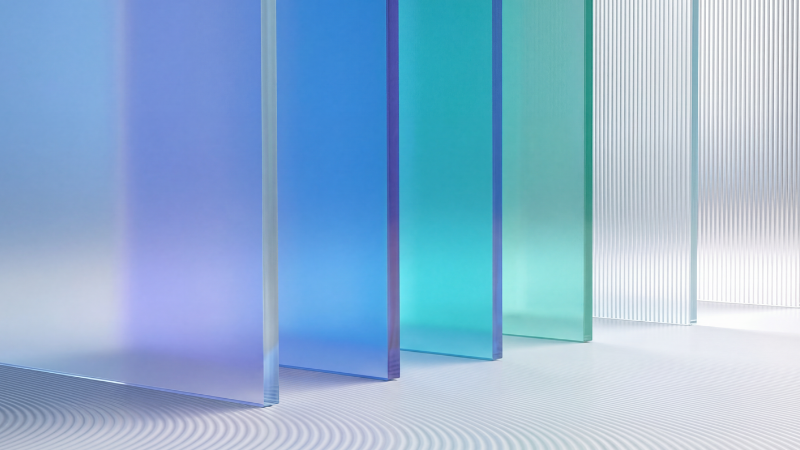
Another mistake is ignoring the room. Acrylic can look striking in controlled indoor light, but glare becomes a real issue near large windows, glass doors, or bright spotlights. Metal usually handles modern interiors well and can feel easier to place in kitchens, hallways, and workspaces where durability matters more than a gallery style shine.
| Mistake | Better check |
| Choosing based on mockups alone | Review finish, reflection, and mounting depth in real room photos |
| Comparing price without size and hardware | Check total cost including hanging system and shipping risk |
| Assuming both suit every artwork | Match acrylic to vivid portraits, metal to crisp landscapes and graphic art |
Buyers also misread durability claims. In acrylic prints vs. metal prints, both are generally more resilient than paper posters, but they fail differently. Acrylic can scratch and show fingerprints. Metal can dent if mishandled. For ecommerce sellers and dropshipping brands, that distinction affects return rates, packaging choices, and customer expectations.
If you want one practical rule, compare the image, lighting, and placement together. That usually leads to a better decision than asking which material is better in general.
Our Recommendation by Use Case: What to Pick in 2026 Based on Your Priorities
If you are deciding between acrylic prints vs. metal prints, start with the room, the image style, and your margin target. In most storefront and home decor cases, acrylic works better for color rich photos, polished interiors, and gift oriented catalogs. Metal is the stronger pick for clean modern spaces, commercial settings, and artwork that depends on contrast more than depth.
| Priority | Pick | Why |
|---|---|---|
| Luxury look for photo art | Acrylic | Adds gloss, depth, and a gallery style finish |
| Modern minimal interiors | Metal | Looks cleaner and less reflective in many setups |
| Higher average selling price | Acrylic | Customers often read it as more premium |
| Durability and easier handling | Metal | Lighter feel and fewer concerns about edge damage |
My practical rule: choose acrylic for weddings, travel photography, pet portraits, and colorful wall art. Choose metal for black and white work, abstract designs, signage adjacent decor, and humid spaces such as kitchens or bathrooms.
A common mistake in acrylic prints vs. metal prints is choosing based only on appearance in mockups. Acrylic can show glare in bright rooms, while metal can feel too industrial for warm interiors.
In 2026, shoppers still respond strongly to finish and context, so product photos should show each print in a realistic room, not on a plain white background alone. For long-term brand planning, reliable production support can make decisions easier.
FAQs
Which lasts longer: acrylic prints or metal prints?
Metal prints usually handle scratches, moisture, and temperature changes better, so they often last longer in kitchens, bathrooms, or high-humidity spaces. Acrylic prints can also be durable, but the surface is more likely to show scratches, fingerprints, or edge damage if handled often.
Are acrylic prints more expensive than metal prints in 2026?
In 2026, acrylic prints are often priced higher because they use a clear acrylic face layer and can require more complex mounting. Metal prints may be more cost-efficient for standard sizes, but pricing still depends on thickness, finish, size, and shipping weight.
Do metal prints or acrylic prints look better for colorful photos?
It depends on the look you want. Acrylic usually gives photos a deeper, glossy appearance with strong contrast, while metal often produces sharp detail and vibrant color with a cleaner, more modern finish. For acrylic prints vs. metal prints, style preference matters as much as image quality.
Which option is safer for shipping in a dropshipping business?
Metal prints are often easier to ship with lower breakage risk because they are lighter and less fragile than acrylic-front pieces. Acrylic prints can arrive with cracks, chipped corners, or scratched surfaces if packaging is weak, so supplier packaging standards matter more here.
What should I choose if I want fewer returns and customer complaints?
If your goal is lower damage risk and simpler handling, metal prints are often the safer choice. If customers want a premium glossy look, acrylic may still fit better, but clear product photos, finish descriptions, and care instructions help reduce avoidable returns.
Written by Aria
As an SEO strategist and Print-on-Demand expert, Aria helps POD brands grow by writing content that ranks and converts. Her strengths include keyword research, engaging blog posts, and persuasive product descriptions. She's always on the lookout for the next POD trend.