Best Giveaway Items for Events That Get Noticed
Key Takeaways
- Choose giveaway items for events that are practical, easy to carry, and relevant to your audience.
- Prioritize useful products like tote bags, drinkware, pens, tech accessories, or wellness items that people will keep.
- Match each giveaway to your event goals, whether you want stronger brand awareness, booth traffic, or post-event recall.
- Focus on quality and branding placement so your logo stays visible without overwhelming the item.
- Consider budget, quantity, and shipping logistics early to avoid delays and keep your event setup smooth.
Table of Contents
- How to Choose Giveaway Items for Events That Match Your Audience and Event Goals
- What Makes an Event Freebie Worth Keeping: Practical Criteria Before You Order
- Best Giveaway Items for Events in 2026 by Budget, Use Case, and Brand Impact
- When to Pick Eco-Friendly, Tech, Wearable, or Desk Items for Better Attendee Response
- Common Event Giveaway Mistakes That Waste Budget and Miss the Right Impression
- How to Build a Smarter Event Giveaway Plan From Product Selection to Post-Event Results
How to Choose Giveaway Items for Events That Match Your Audience and Event Goals
Good giveaway items for events fit three things at once: who is attending, what action you want after the event, and how the item will actually be used. If one of those is missing, the giveaway often turns into clutter.
Start with the audience. A college recruiting fair, a B2B trade show, and a local community event need different choices. Students usually keep practical, low effort items they can carry all day, such as hats, stickers, or tote bags. Business buyers respond better to items that support desk work or travel.
For consumer events, personalized or niche products can work well because they feel more relevant than generic swag. That is one reason custom categories continue to get attention in ecommerce, especially products tied to identity and interests.
| Event goal | Stronger fit | Watch out for |
|---|---|---|
| Brand recall | Useful daily items | Large logos that reduce reuse |
| Lead capture | Tiered gifts after sign up | Giving everything away upfront |
| Social sharing | Visually distinctive items | Fragile products |
Also weigh logistics early. If your team is ordering through print on demand or dropshipping workflows, product size, print area, and shipping speed matter as much as design. A custom hat is easier to notice at an outdoor event than a small desk item, but it takes more storage space.
If you need variety without heavy inventory, print on demand platforms such as Inkedjoy are useful starting points. For broader event merch trends, this event giveaway overview is a helpful benchmark.
The most common mistake is choosing by unit cost alone. Cheap items can cost more if nobody keeps them. Explore giveaway items for events with sourcing and fulfillment designed for dependable brand experiences.
What Makes an Event Freebie Worth Keeping: Practical Criteria Before You Order
The most effective giveaway items for events meet three tests: they solve a small everyday need, they are easy to carry home, and the branding does not make the item awkward to use later. If a freebie fails one of those tests, retention usually drops fast.

Start with usefulness over novelty. Attendees keep items they can use within a week, such as tote bags, drinkware, notebooks, phone accessories, or lip balm. Seed packets or highly themed novelty pieces can work for niche audiences, but they are less reliable for broad trade show traffic. A good rule is simple: if the item needs explanation, it is already harder to keep.
Brand visibility matters, but subtle placement often outperforms oversized logos. A clean design on a neutral color gives the product a longer life. That matters more than unit cost alone, because giveaway items for events create value only if people continue using them after the event.
| Criterion | Higher retention choice | Lower retention risk |
| Use case | Daily or weekly use | One time novelty |
| Portability | Light, easy to pack | Bulky or fragile |
| Branding style | Clean and wearable | Large event specific print |
This advice fits most corporate events, campus activations, and vendor booths. It is less suitable for premium invite only events, where fewer, higher value items may make more sense than mass distribution. Compare practical giveaway items for events that support clear product planning and consistent event preparation.
Best Giveaway Items for Events in 2026 by Budget, Use Case, and Brand Impact
The strongest giveaway items for events in 2026 are not the cheapest print on demand items. They are the ones people keep, use in public, and connect to the setting. A trade show booth, campus event, and wellness fair each need different logic.
Start with three filters: cost per contact, usefulness within 30 days, and logo visibility without making the item feel disposable. If an item fails two of those tests, it usually becomes table clutter.
| Budget tier | Smart picks | Best use case |
|---|---|---|
| Low | Sticker packs, pens, mints, microfiber cloths | High traffic expos and short interactions |
| Mid | Tote bags, drinkware, notebooks, phone wallets | Recruiting events, retail pop ups, community events |
| Higher | Apparel, wireless chargers, premium kits | VIP guests, press, partner events |
For broad reach, tote bags and drinkware still outperform novelty items because they travel. For niche audiences, themed products work better. Pet focused brands, for example, often get better retention from practical pet accessories than from generic office swag, which matches the broader move toward identity based merchandise in 2026.
A common mistake is printing a large logo on a low quality item. That increases visibility at the table but lowers actual use. Keep branding clean, choose neutral colors, and match the giveaway to attendee behavior. If people are commuting, portable items win. If they are sitting through sessions, notebooks and chargers make more sense.
When to Pick Eco-Friendly, Tech, Wearable, or Desk Items for Better Attendee Response
The right giveaway items for events depend on where the item will be used after the event. That is the decision point that usually matters more than price alone.
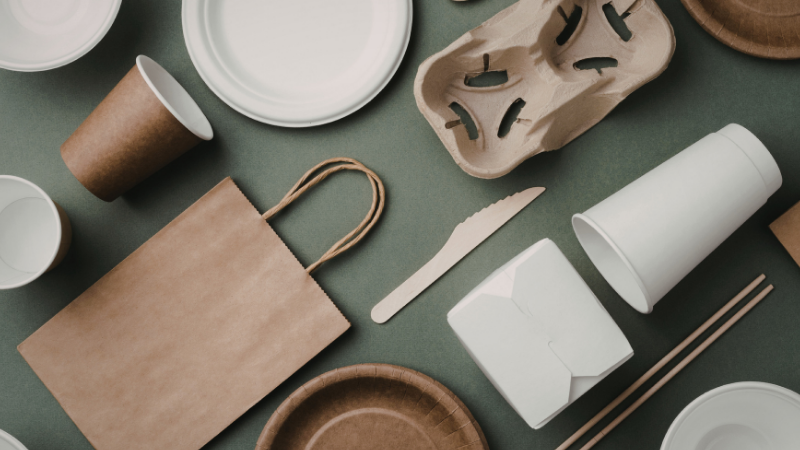
Pick eco friendly items when your audience is already sustainability aware or when the event theme makes waste visible, such as community fairs, university events, nonprofit activations, and wellness conferences.
Reusable totes, seed paper cards, or stainless drinkware tend to land better than disposable novelty items. The mistake here is choosing eco themed products that still feel low use. If attendees will not carry it, the message falls flat.
Choose tech items for professional audiences who travel, work remotely, or spend the day on phones and laptops. Cable organizers, webcam covers, and compact charging accessories usually get more repeat use than flashy gadgets. Tech works well at trade shows, but only if quality is reliable. A cheap power bank that fails can hurt brand recall more than help it.
Wearables are useful when you want visibility during and after the event. Caps, socks, and shirts perform better when the design is subtle enough for regular use. Large logos reduce wear rate. In ecommerce terms, the item needs to feel like something people would choose, not just accept.
Desk items fit B2B events, recruiting fairs, and conferences where attendees return to an office or home workspace. Pens still work, but notebooks, mouse pads, and tumblers usually create longer exposure.
| Type | Use when | Watch out for |
| Eco friendly | Values driven audiences | Low real world usefulness |
| Tech | Mobile, remote, business attendees | Quality complaints |
| Wearable | Brand visibility matters | Overbranding |
| Desk | Office based follow up | Generic item overload |
Common Event Giveaway Mistakes That Waste Budget and Miss the Right Impression
The biggest mistake with giveaway items for events is choosing for volume instead of fit. A cheap item that gets tossed in the venue trash costs more than a smaller run of something attendees actually keep. If your event audience is buyers, recruiters, or business owners, usefulness usually matters more than novelty.
Another common miss is ignoring event context. Outdoor events need portable, weather friendly items. Conference booths do better with compact products that fit in a tote.
Premium venues can make very low cost plastic items feel out of place. The giveaway should match the setting, the attendee, and the action you want next, whether that is a scan, a follow up meeting, or a social share.
| Mistake | Why it wastes budget | Better filter |
|---|---|---|
| Ordering by lowest unit price | Low retention and weak brand recall | Cost per kept item |
| Overbranding the product | Item feels disposable | Subtle branding people will reuse |
| One item for every audience | Poor relevance across segments | Tier items by attendee value |
A final mistake is forgetting logistics. Bulky, fragile, or slow to produce products can create rush fees and shipping issues that erase any savings. This advice matters most for trade shows, campus events, and brand activations with mixed audiences. For a small VIP dinner, fewer higher quality pieces usually make more sense than mass distribution.
How to Build a Smarter Event Giveaway Plan From Product Selection to Post-Event Results
A strong giveaway plan starts with one question: what action should this item support? If the goal is booth traffic, choose fast handout items with broad appeal. If the goal is qualified leads, use a tiered approach with low cost items for walkups and higher perceived value items for demos, signups, or meetings. This is where many teams miss the mark. They pick products people like, but not products tied to a measurable event outcome.
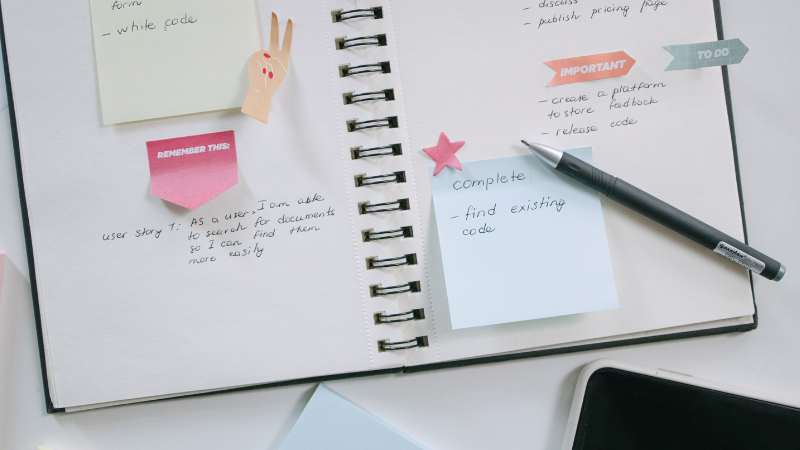
For most brands, the smarter way to select giveaway items for events is to score each option against four criteria: usefulness, portability, audience fit, and imprint visibility after the event.
A compact phone stand, tote, or sticker pack may outperform a fragile novelty item because it is easier to carry and more likely to be used again. Trend context matters too. In 2026, custom lifestyle products continue to perform well because attendees keep items that feel relevant to daily routines and personal interests.
| Item type | Works well for | Watch out for |
|---|---|---|
| Low cost bulk items | Large crowds, fast reach | Low recall, waste |
| Mid tier useful products | Better brand retention | Higher unit cost |
| Premium gated gifts | Qualified leads | Small volume only |
After the event, review redemption rates, lead quality, and leftover inventory, not just how quickly items disappeared. If attendees took everything but few followed up, the giveaway did its job poorly.
For ecommerce sellers and dropshipping brands, this approach is especially useful because it protects margin while making future event ordering easier to forecast. Find giveaway items for events that fit a reliable workflow from product research to delivery.
FAQs
What giveaway items work best for trade shows and local events in 2026?
Useful, easy-to-carry products usually perform best. Popular choices include tote bags, stickers, keychains, notebooks, phone accessories, and drinkware. For 2026, event organizers often favor practical items with repeat use because they keep brand visibility going after the event ends.
How do I choose giveaway items for events without wasting my budget?
Start with your audience, event type, and target cost per lead. Lower-cost items can work well for large crowds, while slightly higher-value products fit smaller, qualified audiences. Test one or two options first and compare pickup rate, post-event engagement, and total spend.
Is it better to offer cheap giveaways to everyone or premium items to fewer people?
It depends on your goal. Broad awareness campaigns often use lower-cost items to maximize reach. Lead-generation campaigns usually benefit more from better-quality products tied to a signup, demo, or contact form. The right choice comes down to expected conversion value, not item price alone.
What are the biggest risks when ordering event giveaway products through dropshipping?
The main risks are inconsistent print quality, delayed delivery, and ordering products that do not match the event audience. Reduce risk by checking production timelines, reviewing samples, confirming branding placement, and choosing items with stable demand and clear shipping expectations before launch.
How far in advance should I order giveaway items for an event?
For most events, ordering three to six weeks ahead is safer, especially for printed products. That gives enough time for production, shipping, and issue resolution. If the event date is fixed, build in buffer time for artwork approval, stock changes, and carrier delays.
Written by Sylvia
Sylvia is an experienced SEO blog writer specializing in creating clear, engaging, and search-optimized content for the eCommerce and digital marketing space. She combines data-driven insights with user-focused storytelling to craft articles that rank well while delivering real value to readers.