
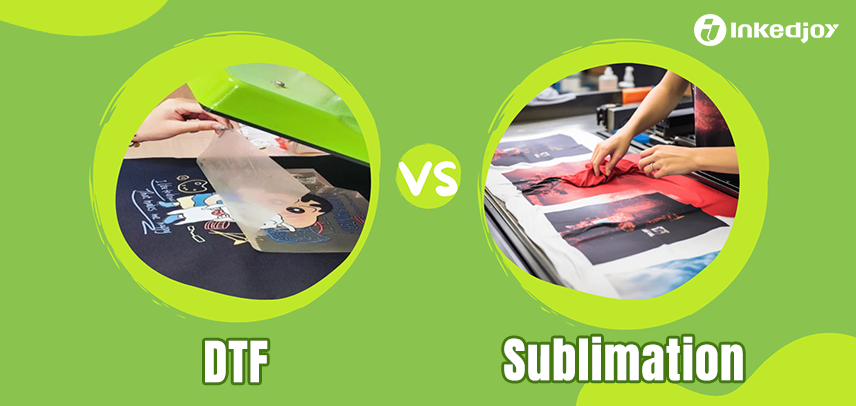
DTF vs Sublimation: Which Printing Method Is Better for Your Designs
Key Takeaways
- DTF vs sublimation depends mainly on fabric type, color needs, and the finish you want for the final design.
- DTF works on a wider range of materials, including cotton, polyester, and blends, making it more versatile for mixed apparel orders.
- Sublimation performs best on light-colored polyester and creates a smooth, permanent print that becomes part of the fabric.
- Choose DTF for bold colors and flexible material compatibility; choose sublimation for soft feel and long-lasting all-over vibrancy on polyester.
- Cost, production workflow, and order volume can also influence which method works better for your designs.
Table of Contents
- How to Choose the Right Print Method for Your Products, Fabrics, and Design Goals
- What to Compare First: Fabric Compatibility, Color Performance, Feel, and Durability
- Where Each Method Wins in 2026: Best-Fit Use Cases for Apparel, Accessories, and Small Runs
- The Real Cost Breakdown: Equipment, Materials, Labor, and Profit Margins
- Common Problems to Avoid When Picking a Print Method for Your Store or Brand
- A Simple Decision Framework for Selecting the Best Option for Your Next Design
How to Choose the Right Print Method for Your Products, Fabrics, and Design Goals
In practical terms, DTF vs sublimation comes down to three filters: fabric content, artwork style, and how the product will be used after delivery. If you skip any one of those, you can end up with strong prints on the wrong item or weak margins on the right one.
Choose DTF if you need flexibility across cotton, blends, and darker garments. It works well for shops testing varied apparel without narrowing the catalog too early. Choose sublimation if your products are mostly polyester or polymer coated blanks and you want the ink to become part of the surface rather than sit on top of it. That matters for sportswear, all over polyester items, and products like a custom beach towel.
| Decision factor | DTF | Sublimation |
|---|---|---|
| Fabric range | Broader | Mostly polyester |
| Dark garments | Good fit | Limited |
| Soft hand feel | Depends on film and press settings | Usually lighter feel |
A common mistake is choosing by color vibrancy alone. For ecommerce, returns usually come from feel, cracking expectations, or fabric mismatch, not just appearance. If your store mixes gifts, apparel, and accessories, a broader print workflow like Inkedjoy often makes product testing easier. If you are also comparing operational models, EPROLO is useful to review alongside this DTF and sublimation breakdown.

My rule of thumb: if your designs need to work across many garment types, start with DTF. If your catalog is polyester led and wash durability with a no film feel matters most, sublimation is usually the cleaner fit.
What to Compare First: Fabric Compatibility, Color Performance, Feel, and Durability
In a practical DTF vs sublimation decision, fabric usually settles the question first. Sublimation works on polyester or polymer coated surfaces because the ink bonds into the material under heat. On cotton, it simply does not perform the same way. DTF is more flexible across cotton, polyester, blends, and many performance fabrics, which makes it easier for mixed catalogs and broader apparel testing.
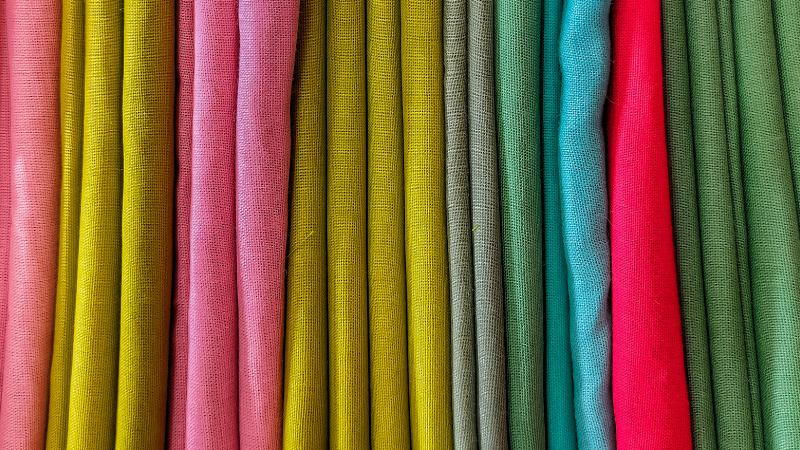
Color is the next filter. Sublimation produces very vivid results on white or light polyester, especially for all over style graphics and photo heavy art. But it struggles on dark garments unless you change the product itself. DTF handles dark fabrics better because it uses a white underbase, so logos, illustrations, and small text stay visible with stronger contrast.
| Factor | DTF | Sublimation |
|---|---|---|
| Fabric range | Broad, including cotton and blends | Mostly polyester and coated items |
| Dark garments | Strong option | Limited |
| Print feel | Light film on top | Almost no added feel |
Feel and durability require more honest tradeoff thinking. Sublimation usually feels softer because the design becomes part of the fabric. DTF leaves a transfer layer, so large solid prints can feel heavier. For activewear and soft hand fashion pieces, sublimation often reads cleaner.
For cotton tees, hoodies, and dark retail basics, DTF is often the more realistic production choice. A common mistake is choosing by image quality alone and ignoring garment fiber content, which is where most costly mismatches start.
Where Each Method Wins in 2026: Best-Fit Use Cases for Apparel, Accessories, and Small Runs
In practical DTF vs sublimation decisions, the winner usually depends on fabric type, artwork style, and order size more than print theory. If you sell across mixed catalogs, DTF covers more scenarios. If your store leans into polyester performance wear or all over hard goods, sublimation usually gives a cleaner long term fit.
| Use case | Usually stronger method | Why |
|---|---|---|
| Cotton tees and hoodies | DTF | Works on natural fibers and keeps color range broad |
| Polyester jerseys and activewear | Sublimation | Dye bonds into the fabric, so prints stay light and breathable |
| Mugs, panels, and coated blanks | Sublimation | Strong fit for coated hard surfaces and repeatable photo output |
| Short runs with many garment types | DTF | Less restrictive on substrate choice |
For small runs, DTF often makes more operational sense. One design can move from cotton tees to tote bags to fleece without rebuilding the artwork for each substrate. That matters for shops testing niches, seasonal drops, or creator merchandise.
Sublimation is less forgiving if your product mix is broad. A common mistake is choosing it for fashion blanks that are mostly cotton or dark colored. The print may look fine in mockups but fail the material reality check. On the other hand, sellers focused on sportswear, photo panels, mugs, and branded office items often get more consistent results from sublimation.
If your catalog changes often, DTF vs sublimation usually comes down to flexibility versus fabric integration. Choose DTF for variety. Choose sublimation for polyester and coated products where softness and permanence matter most.
The Real Cost Breakdown: Equipment, Materials, Labor, and Profit Margins
For most sellers comparing DTF vs sublimation, the smarter choice comes down to cost structure, not print theory. DTF usually has a higher setup burden and more moving parts. Sublimation is often simpler to run, but it only works well on polyester rich, light colored products. That limitation affects what you can sell and how often you need to say no to a customer request.
| Cost factor | DTF | Sublimation |
|---|---|---|
| Equipment | Printer, powder workflow, curing, heat press | Printer, sublimation paper, heat press |
| Material cost | Film and adhesive add cost per print | Often lower per print on suitable blanks |
| Labor | More handling and quality checks | Faster repeat workflow |
| Margin risk | Waste from failed transfers or overproduction | Margin loss from narrow product compatibility |
In practice, DTF makes more sense if you want design flexibility across cotton, blends, and darker garments. The extra consumable cost can still pencil out because you can accept a wider mix of orders. Sublimation tends to protect margins better for shops selling mugs, performance wear, and all over polyester friendly products at steady volume.
A common mistake is comparing only ink cost. Real profit comes from total production time, spoilage rate, and blank compatibility. If your catalog is broad, DTF can earn more despite higher unit cost. If your catalog is narrow and repeatable, sublimation is usually easier to price and operate consistently in 2026.
Common Problems to Avoid When Picking a Print Method for Your Store or Brand
The biggest mistake in DTF vs sublimation is choosing based on print appearance alone. A method can look good in a sample pack and still fit your store poorly once returns, fabric mix, and reorder consistency come into play.
A common error is ignoring what you actually sell most. If your catalog includes cotton tees, heavy blends, and dark garments, DTF usually creates fewer product restrictions. If your store is centered on polyester performance wear, all over sports items, or hard goods like mugs, sublimation often makes more sense. The wrong match creates hidden costs because you spend time excluding print on demand products, rewriting listings, or explaining why one design only works on certain blanks.
Another problem is underestimating feel and wear expectations. DTF can handle more fabric types, but it leaves a transfer layer. Some customers will notice that on large chest prints. Sublimation bonds into polyester and has no hand feel, but it cannot deliver the same flexibility across cotton products. If your brand sells minimalist apparel with large soft touch graphics, test for feel before you scale.
| Decision point | Usually safer choice |
|---|---|
| Mixed fabric catalog | DTF |
| Polyester only brand | Sublimation |
| Dark garments | DTF |
One more issue: comparing unit cost without comparing failure risk. In practice, dtf vs sublimation is often a catalog planning decision, not just a print decision. Pick the method that reduces exceptions, not the one that wins a single sample test.
A Simple Decision Framework for Selecting the Best Option for Your Next Design
If you are weighing DTF vs sublimation, make the call in this order: fabric, artwork, order mix, and customer expectations. That sequence avoids the most common mistake, choosing a print method based on look alone.
| Decision point | Choose DTF | Choose sublimation |
|---|---|---|
| Fabric | Cotton, blends, darker garments | Polyester or poly coated white or light items |
| Artwork | Bold graphics, logos, color blocking | All over color, gradients, photo style art |
| Feel on product | Slight film layer | Ink becomes part of the fabric |
Here is the practical rule I use. Pick sublimation if the product is polyester first and the design depends on soft feel, edge to edge color, or a no layer finish. Pick DTF if you need broader product flexibility, especially for cotton tees, hoodies, and dark apparel.

For ecommerce sellers, the real DTF vs sublimation question is often catalog strategy. If you want one design across mixed garment types, DTF is usually easier to standardize. If your store focuses on performance wear, mugs, or white polyester products, sublimation often gives a cleaner match.
Be careful with two assumptions. First, sublimation is not a fit for dark cotton. Second, DTF is not automatically the right answer for every detailed image. If the design relies on a breathable hand feel more than fabric range, sublimation may still be the stronger option.
FAQs
Is DTF or sublimation better for most custom apparel designs?
It depends on the product and artwork. DTF works on more fabric types, including cotton, polyester, and blends, so it fits broader apparel catalogs. Sublimation usually gives the best results on polyester or polymer-coated items and is often preferred for all-over color and soft-feel graphics.
Which is cheaper in 2026: DTF or sublimation for small dropshipping orders?
For small mixed-product orders, DTF is often easier to use because it applies to more materials without strict fabric limits. Sublimation can be cost-effective when your store focuses on polyester apparel or coated hard goods, but material compatibility affects your real per-item cost.
Does DTF last longer than sublimation after repeated washing?
Sublimation usually holds up extremely well because the dye bonds into the material instead of sitting on top. DTF can also be durable when applied correctly, but print quality, transfer film, adhesive powder, and washing method all influence long-term performance.
What are the biggest quality risks when comparing DTF vs sublimation?
The main risks are using the wrong material for the method and expecting the same finish from both. DTF may feel slightly heavier on fabric, while sublimation will not print well on dark cotton. Poor color management and inconsistent pressing can affect either process.
Can I sell both DTF and sublimation products in one dropshipping store?
Yes, and many stores do. A practical setup is to use DTF for cotton tees, hoodies, and blended garments, then use sublimation for mugs, phone cases, and polyester sportswear. This approach helps match each print method to the product where it performs best.
Written by Bianca
Bianca is a content creator focused on sustainable e-commerce growth. She goes beyond quick hacks, teaching Print on Demand sellers how to build lasting brands through strong SEO foundations and compelling storytelling. She turns searchers into loyal customers through the power of words.