
DTG vs Embroidery: Which Is Best for Your Custom Apparel Store
Key Takeaways
- DTG vs embroidery depends on your design goals: DTG suits detailed, full-color artwork, while embroidery works best for clean logos and text.
- DTG is typically better for lightweight shirts and soft prints, whereas embroidery adds texture, structure, and a more premium stitched look.
- For small runs or one-off custom pieces, DTG is often more practical; embroidery can become more cost-effective for simple designs used repeatedly.
- Embroidery is usually more durable over time, but DTG can offer greater design flexibility with gradients, photos, and complex color blends.
- Choose based on garment type, artwork complexity, budget, and the finish you want for your custom apparel.
Table of Contents
- How to Choose the Right Decoration Method for Your Apparel Goals
- What to Compare First: Design Detail, Fabric Type, Order Size, and Budget
- When DTG Makes More Sense for T-Shirts, Full-Color Artwork, and Small Runs
- When Embroidery Is the Better Fit for Logos, Premium Branding, and Durable Wear
- Common Mistakes That Lead to Poor Results or Higher Costs
- A Simple Decision Framework for Picking the Best Option for Your Next Order
How to Choose the Right Decoration Method for Your Apparel Goals
In a practical DTG vs embroidery decision, start with the role of the garment. If the design carries the sale, such as illustrated tees, photo prints, or multicolor artwork, DTG usually makes more sense. If the garment itself signals identity, such as staff polos, caps, work shirts, or minimalist brand pieces, embroidery is often the stronger fit.
The easiest way to decide is to weigh fabric, artwork, placement, and price tolerance together. DTG works best on cotton rich apparel and shines with detailed images, gradients, and larger front or back prints. Embroidery fits structured areas like left chest logos and hat fronts, but it adds texture and a more formal finish. It is less suitable for tiny text, complex shading, or very lightweight fabric that can pucker.
| Choose based on goal | DTG | Embroidery |
|---|---|---|
| Detailed art | Strong fit | Limited |
| Small logo branding | Often excessive | Strong fit |
| Budget on one off orders | Usually easier | Usually higher |
A common mistake in DTG vs embroidery comparisons is judging only by appearance on screen. You also need to think about wear. Embroidery generally holds up well on uniforms and outerwear. DTG feels lighter on casual shirts and avoids the raised stitched look some customers do not want.
If you run a store with varied graphics, DTG is often easier to scale through a print on demand supplier like Inkedjoy. If you sell logo driven basics, browse product types on Inkedjoy and review vendor limitations before listing. If you're weighing dtg vs embroidery for your next collection, compare both methods in one workflow.

What to Compare First: Design Detail, Fabric Type, Order Size, and Budget
Start with the artwork, not the decoration method. In most dtg vs embroidery decisions, design detail is the fastest filter. DTG handles photos, gradients, small text, and multi color artwork more accurately because the image is printed directly onto the garment. Embroidery works better for simple logos, initials, and shapes with clear edges. If your design depends on tiny shading or many color transitions, stitching usually loses clarity and can look crowded.
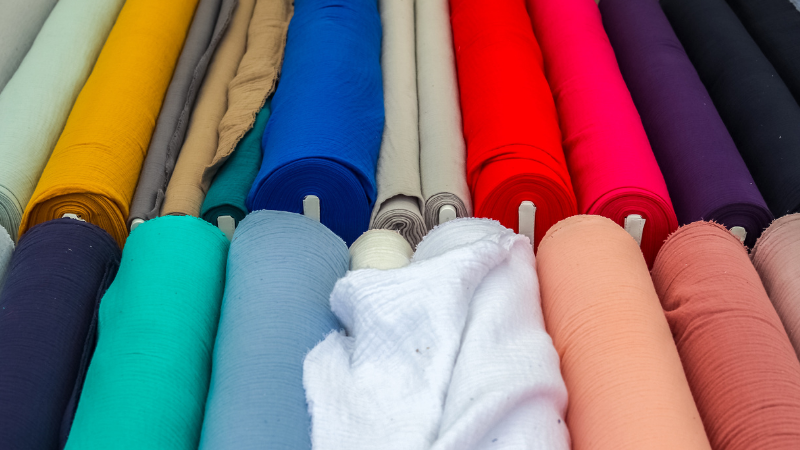
Fabric type is the next checkpoint. DTG tends to perform well on cotton and cotton rich garments, especially tees and hoodies made for print. Embroidery is more flexible on thicker items like polos, caps, jackets, fleece, and workwear because thread sits on top of the fabric and gives structure.
A common mistake is forcing DTG onto textured or performance fabrics where print consistency can vary, or using embroidery on lightweight shirts where the backing and stitch density make the area feel stiff.
| Compare first | DTG | Embroidery |
|---|---|---|
| Design detail | High detail, full color | Cleaner for simple art |
| Fabric fit | Best on cotton apparel | Strong on polos, caps, outerwear |
| Order size and budget | Usually easier for small runs | Often worth it for premium placement |
Then look at quantity and cost structure. DTG is often the easier path for one off or low volume orders since there is no digitizing step and complex artwork does not usually add the same setup burden. Embroidery can make more sense when the design is small and placement matters, such as a left chest logo on staff uniforms.
If you are selling fashion graphics, choose DTG. If you are branding durable teamwear, embroidery usually holds its value better. When print quality, sourcing clarity, and fulfillment all matter, it helps to review the full product process.
When DTG Makes More Sense for T-Shirts, Full-Color Artwork, and Small Runs
In a practical DTG vs embroidery decision, DTG usually makes more sense when your design is detailed, colorful, and printed on cotton based apparel like T shirts. It handles gradients, shading, photos, and multicolor illustrations far better than embroidery, which has to translate artwork into thread paths. If your logo or artwork includes small color transitions or a large chest print, DTG is often the cleaner option.
DTG is also the safer choice for small runs and test orders. There is no digitizing step, and setup is lighter, so it is easier to launch one design, test demand, and change artwork without reworking stitch files. That matters for ecommerce stores, creator merch, event shirts, and seasonal drops where you may only sell a few units per design.
| Choose DTG if... | Less suitable if... |
|---|---|
| You need full color art, photos, or soft hand feel on tees | You want a raised, textured finish or a premium stitched look |
| You are selling low volume designs or validating new products | You are decorating caps, thick outerwear, or uniform polos |
A common mistake in DTG vs embroidery comparisons is choosing embroidery for artwork that is too complex or too large. Stitching dense designs can add bulk, distort fabric, and raise cost. DTG is less suitable, though, if your garment is heavily textured, not print friendly, or needs the structured look people expect on workwear and hats.
When Embroidery Is the Better Fit for Logos, Premium Branding, and Durable Wear
In the DTG vs embroidery decision, embroidery usually wins when your design is small, brand driven, and expected to hold up through frequent wear. Think left chest logos on polos, sleeve marks on jackets, cap fronts, and workwear that gets washed often. Thread adds texture and structure, which tends to read as more polished than ink for simple brand assets.
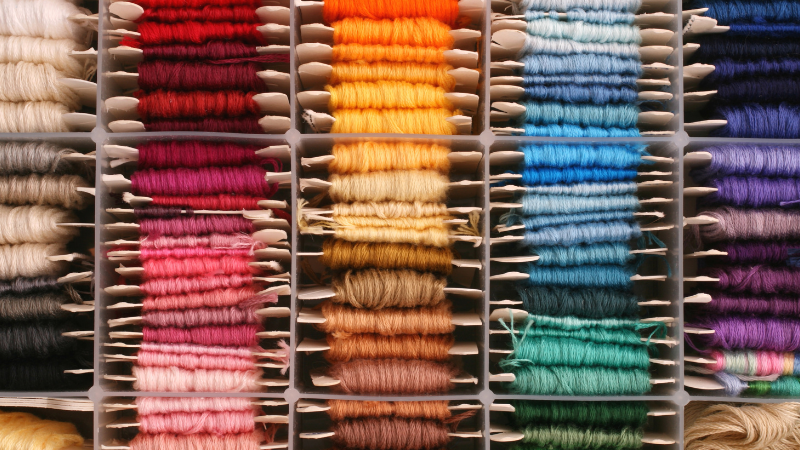
A practical rule is this: choose embroidery if the artwork has few colors, clean edges, and no fine shading. It works especially well for uniforms, staff apparel, corporate merch, school programs, and higher ticket lifestyle pieces where the logo itself carries the value. On thicker garments like fleece, sweatshirts, canvas, and outerwear, embroidery also stays more consistent because the fabric can support the stitching better than a printed surface can.
| Choose embroidery for | Less suitable for |
| Logos, monograms, uniforms, hats, outerwear | Photos, gradients, large front graphics, intricate detail |
The main mistake in DTG vs embroidery comparisons is assuming embroidery automatically means higher quality. It only looks better if the file is digitized for stitching and the design is simplified enough to sew cleanly. Tiny text, thin lines, and crowded icons can fill in or distort. Large embroidered areas can also feel heavy or stiff, especially on lightweight tees.
If your goal is a durable logo with a premium finish, embroidery is often the stronger call. If your design depends on detail, softness, or large artwork, DTG is usually the smarter option.
Common Mistakes That Lead to Poor Results or Higher Costs
The biggest DTG vs embroidery mistake is choosing the method based on appearance alone. In practice, fabric, artwork, placement, and order size usually matter more than preference. A design can look strong on a mockup and still fail in production if the decoration method does not match the garment.

A common error is using DTG for dark garments with heavy, full chest prints on low quality cotton. That can raise ink use, pretreatment needs, and reprint risk. On the other side, embroidery is often overused for detailed artwork with thin lines, gradients, or small text. Those details rarely translate cleanly into thread, especially on caps, sleeves, and lightweight tees.
| Mistake | Likely result |
|---|---|
| Ignoring garment fabric and weight | Fading, puckering, or poor thread stability |
| Sending complex art to embroidery | Unreadable details and digitizing edits |
| Using embroidery for large fills | Higher stitch count and higher unit cost |
Another expensive mistake in DTG vs embroidery decisions is forgetting setup and scaling. Embroidery often gets more cost efficient when the same logo runs across polos, hats, and jackets, but digitizing and stitch count can make small test orders less forgiving. DTG is usually easier for one off or short runs, especially with multicolor art, but margins can tighten on premium blanks or oversized prints.
This advice matters most for ecommerce sellers testing product lines. If your catalog changes often, DTG reduces revision friction. If your brand relies on simple logos and durable placement, embroidery is usually the safer long term choice.
A Simple Decision Framework for Picking the Best Option for Your Next Order
If you are weighing DTG vs embroidery, make the decision in this order: artwork, garment, quantity, and customer expectation. That sequence avoids the most common mistake, choosing a decoration method before checking whether the design and fabric actually suit it.
| Decision point | Choose DTG if | Choose embroidery if |
|---|---|---|
| Artwork | You need detailed, colorful, or photo style graphics | You need simple logos, lettering, or icon based branding |
| Garment type | You are printing tees and lighter cotton apparel | You are decorating caps, polos, jackets, or heavier items |
| Order goal | You want flexible small runs with many design variations | You want a polished uniform look across fewer placements |
Use DTG for merch drops, artist stores, and trend driven designs. It handles full color artwork better and usually makes more sense when you need one piece or many SKUs with different graphics. Use embroidery for workwear, team apparel, and brand marks that need structure and a more tactile finish.
A practical rule: if your customer is buying the design, lean DTG. If your customer is buying the garment as a branded item, lean embroidery.
One more check matters in DTG vs embroidery: placement size. Large chest or back graphics usually favor DTG. Small left chest logos, sleeves, and hats usually favor embroidery. If your order needs both visual detail and premium branding, a mixed approach can be the smarter call. For long-term brand planning, choosing the right decoration method starts with reliable product research.
FAQs
Is DTG or embroidery better for a small custom apparel store?
It depends on what you sell. DTG works well for detailed artwork, photos, and low-quantity t-shirt orders. Embroidery is usually better for polos, hats, jackets, and logos that need a textured, premium-looking finish. For many stores, the best choice is product-specific rather than one method only.
What is cheaper in 2026: DTG or embroidery?
For full-color prints and one-off orders, DTG is often cheaper because it avoids digitizing and stitch-count pricing. Embroidery can be more cost-effective for simple logos placed on higher-value garments, but setup and thread costs can raise the total on small runs.
Which lasts longer on clothing, DTG prints or embroidery?
Embroidery usually lasts longer because the design is stitched into the garment rather than printed on top of it. DTG durability depends heavily on fabric quality, pretreatment, ink curing, and wash care. In a dtg vs embroidery comparison, embroidery often wins for long-term wear.
Does DTG or embroidery have more quality issues in dropshipping?
Both can have problems, but the risks differ. DTG may show fading, muted colors, or inconsistent print placement. Embroidery issues usually involve thread breaks, puckering, or loss of detail in small text. Clear artwork files and realistic design sizing reduce errors with either method.
Can I use the same design for DTG and embroidery products?
Usually not without adjustments. DTG can handle gradients, shadows, and fine details, while embroidery needs simplified shapes, thicker lines, and limited small text. If you plan to offer both, prepare separate production files so the design stays readable and consistent across products.
Read More from Inkedjoy Blog
Written by Sylvia
Sylvia is an experienced SEO blog writer specializing in creating clear, engaging, and search-optimized content for the eCommerce and digital marketing space. She combines data-driven insights with user-focused storytelling to craft articles that rank well while delivering real value to readers.